

Have you ever wondered if a single nectarine tree in your garden can bear fruit on its own? Picture this: you’re envisioning a lush backyard with a thriving nectarine tree, but you’re unsure if just one tree will yield the sweet fruits you’re longing for.
In this article, we’ll explore the common query of whether you need two nectarine trees to ensure a bountiful harvest. You’ll discover the fascinating world of nectarine tree pollination and fruit production, shedding light on how these trees work their magic in your garden.
Key Takeaways
- Nectarine trees are self-pollinating, so a single tree can bear fruit independently without needing another tree nearby.
- Planting multiple nectarine trees can enhance cross-pollination, potentially increasing fruit yield and quality.
- Factors like sunlight exposure, pruning, watering, and soil quality significantly impact nectarine tree fruit production.
- Care and maintenance practices, such as proper pruning, watering, and soil nutrition, are essential for a successful harvest.
- While one nectarine tree can produce fruit, having multiple trees can lead to larger harvests and better fruit quality.
- Optimizing growing conditions, considering cross-pollination benefits, and monitoring tree health are key to maximizing fruit yield in nectarine trees.
Overview of Nectarine Trees and Fruit Production
Let’s delve into how nectarine trees produce fruit and whether you need more than one tree for a fruitful harvest.
Nectarine Tree Pollination
Nectarine trees are self-pollinating, meaning they can produce fruit on their own without the need for a companion tree. This self-sufficiency makes them a popular choice for home gardeners with limited space.
Benefits of Multiple Nectarine Trees
While a single nectarine tree can bear fruit, planting multiple trees can have advantages. Cross-pollination between trees can potentially increase fruit yield and quality. Having two or more trees can also enhance genetic diversity, leading to stronger and more resilient trees.
Factors Affecting Fruit Production
Several factors influence the fruit production of nectarine trees. Adequate sunlight, proper pruning, regular watering, and the right soil conditions all play crucial roles in ensuring a bountiful harvest. It’s essential to provide a favorable environment for your nectarine trees to thrive and produce high-quality fruit.
Conclusion
While it’s possible for a single nectarine tree to produce fruit, planting multiple trees can offer benefits such as increased pollination and genetic diversity. Understanding the factors that affect fruit production and providing optimal care for your nectarine trees are key to enjoying a successful harvest in your garden.
Understanding the Reproductive Mechanism of Nectarine Trees
Let’s delve into how nectarine trees reproduce to understand if you need two trees for fruit production.
1. Self-Pollination:
Nectarine trees are self-pollinating, meaning a single tree can pollinate itself without needing another tree nearby. This mechanism allows for fruit production even if you have only one nectarine tree in your garden.
2. Benefits of Cross-Pollination:
While one tree can independently produce fruit, having multiple nectarine trees can enhance cross-pollination. Cross-pollination occurs when pollen from one tree fertilizes the flowers of another tree, leading to potentially increased fruit yield and quality.
3. Improved Harvest with Multiple Trees:
Planting two or more nectarine trees close together can increase the chances of successful cross-pollination. This can result in a more abundant harvest and better fruit quality due to the exchange of genetic material between trees.
4. Factors Affecting Fruit Production:
Factors like adequate sunlight, proper pruning techniques, sufficient watering, and good soil quality play crucial roles in the fruit production of nectarine trees. Ensuring these conditions are optimized can help maximize the fruit yield of your nectarine orchard.
5. Importance of Care and Maintenance:
Whether you have one nectarine tree or a small grove, providing proper care and maintenance is key to a successful harvest. Regular pruning, watering as needed, and monitoring soil health are essential practices for nurturing healthy nectarine trees.
By understanding the reproductive mechanisms of nectarine trees and the impact of factors like cross-pollination, sunlight, and care practices, you can make informed decisions on whether to plant multiple trees for optimal fruit production in your garden.
Factors Influencing Fruit Production in Nectarine Trees
To maximize fruit production in your nectarine trees, there are several key factors that influence their growth and yield. Understanding these factors can help you optimize the conditions for a successful harvest.
Recommended Products

Feed the soil not the plants - stimulate microbial activity in your soil and boost probability of success with all types of plants… like composting but faster

Made for Lemon & Citrus Trees – Formulated to support healthy growth in lemon and citrus plants.
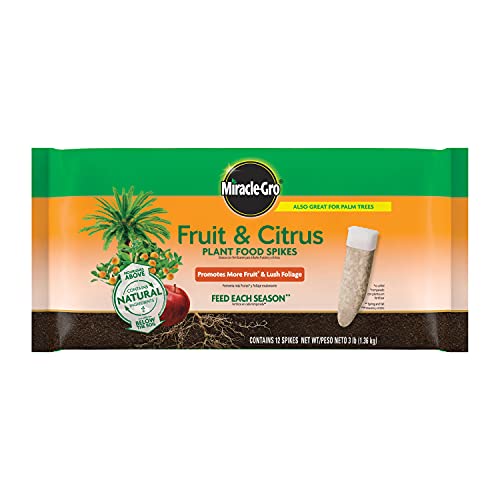
FORMULATED FOR CITRUS AND FRUIT TREES: Use these citrus fertilizer spikes on apple, orange, lemon, lime, and avocado trees; this formula is also great for feeding palm trees
Sunlight Exposure
Ensure your nectarine trees receive plenty of sunlight throughout the day. A minimum of 6-8 hours of direct sunlight is ideal for proper fruit development. Adequate sunlight exposure promotes photosynthesis, which is essential for fruit production.
Proper Pruning Techniques
Regular pruning of your nectarine trees is crucial to promote healthy growth and fruiting. Pruning helps in removing dead or diseased branches, improving air circulation, and stimulating new growth. This process enhances the tree’s overall health and increases the potential for fruit production.
Adequate Watering
Maintain consistent and adequate watering for your nectarine trees, especially during the growing season. Ensure the soil is evenly moist but well-drained to prevent waterlogged conditions. Proper watering helps in the uptake of nutrients, supports fruit development, and reduces the risk of stress-related issues.
Soil Quality and Nutrition
Pay attention to the soil quality and ensure it is rich in nutrients essential for the nectarine trees’ growth. Conduct soil tests to determine any deficiencies and amend the soil with organic matter or fertilizers as needed. Providing a balanced nutrition environment supports healthy root development and robust fruit production.
Cross-Pollination Benefits
While nectarine trees are self-pollinating and can bear fruit independently, planting multiple trees can enhance cross-pollination. Cross-pollination improves fruit set, quality, and yield by increasing genetic diversity. Consider planting different nectarine varieties or other compatible fruit trees nearby to boost overall fruit production in your garden.
By optimizing these factors, you can create an environment that promotes optimal fruit production in your nectarine trees. Regular monitoring, care, and maintenance based on these guidelines will help you enjoy a bountiful harvest of delicious nectarines.
Myth Busting: Do You Really Need Two Nectarine Trees to Produce Fruit?
If you’re wondering whether you need two nectarine trees to enjoy a bountiful harvest, here’s the truth: nectarine trees are often self-pollinating, which means a single tree can produce fruit on its own. However, having two trees can significantly boost fruit set, quality, and yield.
Recommended Products


For sale is a Red Gold Nectarine that is approximately 12-24" tall and shipped bareroot

These are ready to plant and should be put in the ground according to the included instructions upon arrival. All pictures are of fully grown plants. Sizes shipped are in the title and description. Deciduous plants do not have leaves in the winter.
Benefits of Multiple Trees:
- Cross-Pollination: When you have two nectarine trees or other compatible varieties nearby, bees and other pollinators can transfer pollen between the trees, leading to more robust fruit development.
- Increased Yield: Cross-pollination tends to result in larger and more plentiful fruits, ultimately enhancing your overall harvest.
- Better Fruit Quality: Fruits from cross-pollinated trees often exhibit improved taste, texture, and appearance compared to those from solitary trees.
Factors Influencing Fruit Production:
- Sunlight Exposure: Ensure your trees receive adequate sunlight for at least 6-8 hours a day to promote healthy growth and fruiting.
- Pruning Techniques: Proper pruning can enhance air circulation and light penetration within the canopy, optimizing fruit production.
- Watering Practices: Consistent and sufficient watering, especially during dry periods, is crucial for nectarine trees to set and develop fruit.
- Soil Quality: Well-draining soil rich in organic matter supports root health and overall tree vigor, ultimately contributing to fruit production.
- Mix Varieties: Even if you have just one nectarine tree, consider planting other compatible fruit trees nearby to encourage cross-pollination.
- Consider Dwarf Varieties: If space is limited, dwarf nectarine trees can be an excellent option for compact orchards or container gardening.
- Routine Care: Regularly monitor your trees for pests, diseases, and nutrient deficiencies, and address any issues promptly to ensure optimal fruit yield.
By understanding the nuances of nectarine tree care, optimizing growing conditions, and considering the benefits of multiple trees for cross-pollination, you can create an environment that maximizes fruit production and leads to a fruitful and rewarding harvest.
Best Practices for Maximizing Fruit Yield in Nectarine Trees
To maximize the fruit yield in your nectarine trees, follow these essential practices:
Recommended Products

Made for Peach Trees - This peach tree fertilizer is formulated specifically to support healthy growth and fruiting in peach trees.

Let our professionally formulated plant food help your fruit tree grow healthy, strong AND abundantly producing

Sunlight Exposure
Ensure your nectarine trees receive plenty of sunlight, ideally at least 6-8 hours a day. Adequate sunlight is crucial for fruit development and overall tree health.
Proper Pruning Techniques
Regularly prune your nectarine trees to remove dead or overcrowded branches. Pruning helps enhance air circulation and sunlight penetration, fostering better fruit production.
Adequate Watering
Water your nectarine trees deeply but infrequently. Ensure the soil is well-drained to prevent waterlogging, which can negatively impact fruit yield. Water consistently, especially during dry periods.
Soil Quality
Maintain good soil quality by providing proper nutrients through fertilization. Conduct soil tests to determine any deficiencies and adjust accordingly to support healthy tree growth and fruit development.
Consider Cross-Pollination
While nectarine trees are self-pollinating, planting multiple trees can significantly increase fruit yield and quality through cross-pollination. Mix different nectarine tree varieties for improved fruit set and overall productivity.
Routine Care
Regularly inspect your nectarine trees for pests, diseases, and nutrient deficiencies. Implement appropriate pest control measures, disease management strategies, and fertilization schedules to ensure optimal tree health and fruit production.
By incorporating these best practices into your nectarine tree care routine, you can create an environment that promotes abundant fruit yield and high-quality harvests. Investing time and effort in proper tree maintenance and maximizing favorable conditions will lead to a bountiful harvest of delicious nectarines.
Conclusion
You’ve learned about the key factors influencing nectarine tree fruit production, from self-pollination to the benefits of cross-pollination. By focusing on sunlight, pruning, watering, and soil quality, you can optimize your yield. Remember, proper care, including pest control and fertilization, is crucial for healthy trees and abundant harvests. Consider planting multiple nectarine tree varieties for cross-pollination to further boost fruit production. With the right attention to detail and following these best practices, you can enjoy a bountiful nectarine harvest in your own garden.
Frequently Asked Questions
Do nectarine trees need cross-pollination to produce fruit?
No, nectarine trees are self-pollinating, but cross-pollination can increase fruit yield.
What factors are crucial for maximizing nectarine yield?
Sunlight exposure, proper pruning, watering, and soil quality play vital roles in maximizing yield.
How important is sunlight exposure for nectarine production?
Sunlight exposure is crucial for fruit development and maximizing nectarine yield.
Why is proper pruning essential for nectarine trees?
Proper pruning techniques help maintain tree health, improve air circulation, and promote fruit production.
How does watering impact nectarine fruit production?
Adequate watering is essential for nectarine trees to grow healthy and produce abundant fruit.
What role does soil quality play in nectarine cultivation?
Soil quality affects tree health and fruit quality, making it crucial for optimal nectarine production.
Is cross-pollination recommended for nectarine orchards?
Consider planting multiple nectarine tree varieties for cross-pollination to enhance fruit yield.
What routine care practices are essential for nectarine trees?
Routine care, including pest control measures and fertilization, is vital for maintaining tree health and maximizing fruit production.
