

Have you ever wondered how long it takes for a walnut tree to start producing those delicious nuts? If you’re thinking about planting one in your yard or orchard, you’re not alone. Many people are curious about the timeline from planting to harvest and what factors can influence this process.
Key Takeaways
- Timeline for Fruit Production: English walnut trees typically bear fruit in 4-5 years, while black walnuts take 7-8 years, and butternuts may range from 6-10 years.
- Optimal Growing Conditions: Walnut trees thrive in well-draining loamy soil, with at least 6 hours of direct sunlight daily and consistent moisture to ensure healthy growth.
- Importance of Fertilization: Applying a balanced fertilizer in early spring supports growth and fruit quality; regular soil tests can help maintain nutrient levels.
- Pruning for Health: Effective pruning techniques, conducted in late winter or early spring, enhance sunlight access and airflow, leading to healthier trees and increased nut production.
- Common Challenges: Awareness of pests like the walnut husk fly and diseases such as walnut blight is crucial, along with regular monitoring to address any issues early on for better yields.
Understanding Walnut Trees
Walnut trees, known for their delicious nuts and valuable timber, require specific conditions for successful growth. Knowing the types of walnut trees and their growing needs keeps your expectations realistic and guides your care.
Types of Walnut Trees
Common walnut tree species include:
- English Walnut (Juglans regia): Produces the sweetest nuts, popular for commercial orchards.
- Black Walnut (Juglans nigra): Yields rich-flavored nuts and offers high-quality wood.
- Butternut (Juglans cinerea): Grows best in northern climates and produces sweet, creamy nuts.
Each species has unique characteristics, affecting the time to bear fruit. Generally, English walnuts fruit sooner than black walnuts.
Growing Conditions
Walnut trees thrive under specific conditions:
- Soil Type: Well-draining, loamy soil supports optimal growth. Heavy clay can hinder development.
- Sunlight: Full sun exposure promotes healthy growth. Aim for at least six hours of direct sunlight daily.
- Watering: Regular watering during dry spells is crucial. However, avoid waterlogging, which can harm the roots.
- Climate: Adaptability varies by species; English walnuts prefer temperate climates, while black walnuts tolerate a broader range.
Setting these conditions lays the groundwork for strong trees and fruitful harvests. Proper care and patience lead to the best results in nut production.
Timeline for Walnut Trees to Bear Fruit
Understanding the timeline for walnut trees to bear fruit involves knowing various factors that affect their growth and development.
Recommended Products

Kindly NOTE: This soil tester can not be applied to test pH value of any other liquid. If the soil is too dry the indicator will not move, and water it before testing.

Accurate Soil pH Testing: Dewildetradingco Soil pH Test Strips offer measurements of soil pH levels (pH 3.5-9). As an essential tool for every gardener and grower, these test strips help determine the optimal pH for various plants, such as outdoor plants, indoor plants, gardens, grass lawns, fruit trees, flowers, vegetables, and forest shrubs.

KNOW BEFORE YOU GROW | Grow the healthiest, sustainable lawn and garden with the most accurate and easy to use professional soil test kit on the market
Factors Influencing Growth Rate
- Tree Variety: English Walnut typically bears fruit in 4-5 years, while Black Walnut takes around 7-8 years. Butternuts may take 6-10 years.
- Soil Quality: Well-draining, loamy soil promotes faster growth and more abundant fruiting. Testing soil pH for optimal levels between 6.0 and 7.5 is beneficial.
- Watering Practices: Consistent watering, especially during dry periods, supports strong growth. Deep watering encourages root development and enhances nut production.
- Sunlight Exposure: Full sunlight (at least 6 hours per day) is essential for robust growth and higher nut yields. Consider planting in areas with unobstructed light.
- Fertilization: Using a balanced fertilizer in early spring provides essential nutrients. Regularly assessing nutrient levels improves growth and fruit quality.
Average Time Frames
Here’s a quick reference to average time frames for walnut trees to start bearing fruit:
| Walnut Tree Type | Years to Bear Fruit |
|---|---|
| English Walnut | 4-5 years |
| Black Walnut | 7-8 years |
| Butternut | 6-10 years |
Expect fluctuations due to growing conditions. Patience and proper care yield the best results in nut production.
Care and Maintenance for Walnut Trees
Proper care and maintenance significantly influence the fruit-bearing timeline of walnut trees. Focus on essential practices to support their growth.
Recommended Products
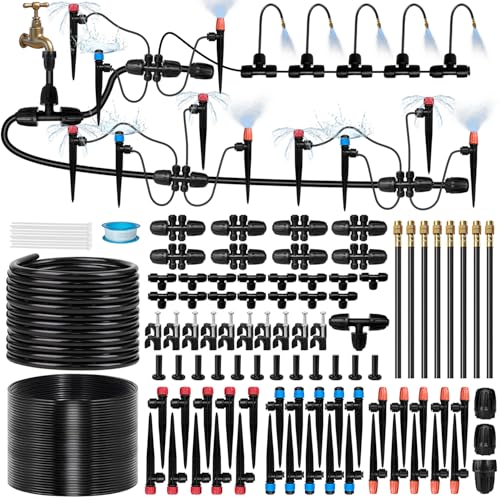
【Upgraded Tube Design & Water Saving】 Our garden watering system is upgraded to 1/2” diameter to support high water pressure. The 1/2” tee connector allows seamless splitting into 2 independent zones for customized watering schedules. By delivering moisture directly to root zones, this drip Irrigation system significantly reduces evaporation and runoff—saving more water compared to conventional sprinklers while eliminating the need for manual watering.

NO MORE HARD INSTALLATION - SET UP IN MINUTES. Tired of struggling with stiff barbed fittings? This drip irrigation system features quick-connect fittings that let you push, lock, and secure tubing effortlessly. No tools, no leaks, just a smooth setup experience. Enjoy a frustration-free installation and get your garden watering system running in minutes.

🍀【Extra-Long 50FT 5/16” Mainline Tubing】 With 50 feet of premium 5/16” main tubing, you have more flexibility to build a central watering path across larger garden layouts. The enhanced flow capacity supports multiple emitters with consistent water pressure throughout your irrigation zones.
Pruning Techniques
Pruning enhances sunlight access and airflow, promoting healthier walnut trees. Start pruning in late winter or early spring before new growth begins. Remove dead or damaged branches, as well as any that cross each other. Aim for a central leader structure, ensuring a strong, upright growth habit. For young trees, thin the canopy to improve light exposure. Use clean, sharp tools to prevent disease transfer.
Watering and Fertilization
Consistent watering is crucial for walnut trees, especially in dry spells. Aim for at least 1-2 inches of water each week. Drip irrigation is ideal, as it delivers moisture directly to the roots. Monitor soil moisture to avoid overwatering, which can lead to root rot.
Fertilize in early spring with a balanced fertilizer, such as a 10-10-10 ratio of nitrogen, phosphorus, and potassium. Apply about 1 pound per inch of trunk diameter. Conduct soil tests every few years to assess nutrient levels and adjust your fertilization routine accordingly. Proper watering and fertilization ensure optimal growth and fruit production.
Common Challenges and Solutions
Growing walnut trees presents some challenges. Understanding these issues and their solutions can enhance your chances of a successful harvest.
Recommended Products

Targeted Trapping for codling moth: designed to attract codling moth species using species-specific pheromone lures; Helps monitor and reduce adult moth activity around apple trees, orchards, and home gardens

Attracts greater & lesser Peach Tree Borers (Synanthedon exitiosa) as well as many other clearwing moth species

IMPRESSIVE TREE COVERAGE: Catchmaster's Tree Shield Insect Barrier is a heavy-duty crawling and flying insect trap. The tree shield measures 30 feet long, allowing you to protect more of your trees in less time. The 30-foot rolls can be easily cut to adapt to different tree and plant sizes throughout your property
Pests and Diseases
Pest infestations and diseases can threaten walnut trees. Common pests include:
- Walnut Husk Fly: This pest lays eggs in developing nuts, leading to premature drop. Use insecticides approved for nut crops or consider traps.
- Walnut Blight: A bacterial disease that causes leaf spots and can weaken trees. Apply a copper-based bactericide during the growing season to mitigate this issue.
Monitoring trees regularly helps identify problems early. Healthy trees produce better yields.
Environmental Factors
Environmental conditions greatly impact the growth of walnut trees. Key factors include:
- Soil Quality: Well-draining loamy soil supports growth. Conduct a soil test and amend with organic matter if necessary.
- Sunlight: Walnut trees require at least 6 hours of full sunlight daily. Position the trees in areas with unobstructed sun exposure.
- Pruning: Proper pruning techniques enhance airflow and sunlight access. Trim dead or diseased branches in late winter or early spring.
Addressing these environmental factors through regular monitoring and care improves the likelihood of your walnut trees thriving and bearing fruit.
Conclusion
Growing a walnut tree can be a rewarding journey filled with anticipation. While it may take several years for your tree to bear fruit it’s important to remember that the right care can make all the difference. By providing optimal growing conditions and staying vigilant against pests and diseases you’ll be setting yourself up for success.
Patience is key as you nurture your tree through its growth stages. In time you’ll enjoy the fruits of your labor with delicious walnuts to harvest. So get ready to embrace the process and look forward to the day your walnut tree rewards you with its bounty.
Frequently Asked Questions
How long does it take for walnut trees to produce nuts?
Walnut trees take varying timeframes to bear nuts. English Walnuts typically start producing in 4-5 years, Black Walnuts in 7-8 years, and Butternuts may take 6-10 years.
What factors influence walnut tree growth?
Key factors influencing walnut tree growth include well-draining soil, adequate sunlight (at least 6 hours daily), proper watering, and the right climate conditions.
How should I care for walnut trees?
Caring for walnut trees involves consistent watering (1-2 inches weekly), using balanced fertilizers in early spring, and regular pruning to enhance sunlight access and airflow.
What are common pests and diseases affecting walnut trees?
Common threats include the Walnut Husk Fly and Walnut Blight. Solutions include using approved insecticides and applying copper-based bactericides, along with regular monitoring for early detection.
What soil conditions are ideal for growing walnut trees?
Walnut trees thrive in well-draining, loamy soil. It’s essential to conduct soil tests periodically to ensure the right nutrient balance for optimal growth and nut production.
