
Close Menu
    Fruit Tree Hub
    • Home
    • Apple Trees
    • Lemon Trees
    • Mango Trees
    • Orange Trees
    • More Trees
      • Best Fruit Trees
      • Apricot Trees
      • Cherry Trees
      • Fig Trees
      • Lime Trees
      • Mulberry Trees
      • Peach Trees
      • Pear Trees
      • Plum Trees
      • Pomegranate Trees
    • Tips and Advice
      • Tools
    • About Us
      • Contact
      • Privacy Policy
    Fruit Tree Hub
    Home»Tips and Advice»How Long Before Banana Tree Bears Fruit: Factors That Influence Growth and Ripening Time
    Tips and Advice

    How Long Before Banana Tree Bears Fruit: Factors That Influence Growth and Ripening Time

    Martha JacksonBy Martha JacksonFebruary 9, 20257 Mins Read
    Share Facebook Twitter Pinterest WhatsApp Email
    Share
    Facebook Twitter LinkedIn Pinterest Telegram Email

    Have you ever wondered how long it takes for a banana tree to bear fruit? If you’ve planted one in your garden or are thinking about it, you’re not alone. Many people are curious about when they can expect to enjoy those delicious bananas.

    Contents show
    1 Key Takeaways
    2 Understanding Banana Trees
    2.1 Types of Banana Trees
    2.2 Growing Conditions
    3 Timeframe for Fruit Production
    3.1 Factors Affecting Fruit Production
    3.2 Typical Growth Timeline
    4 Care and Maintenance
    4.1 Watering and Fertilization
    4.2 Pest and Disease Management
    5 Harvesting Bananas
    5.1 Signs of Ripeness
    5.2 Best Practices for Harvesting
    6 Conclusion
    7 Frequently Asked Questions
    7.1 How long does it take for a banana tree to produce fruit?
    7.2 What are the best growing conditions for banana trees?
    7.3 How do I care for my banana tree?
    7.4 What are the signs that bananas are ripe for harvesting?
    7.5 How do I harvest bananas without damaging them?

    Key Takeaways

    • Banana Tree Varieties: Different types of banana trees, such as Cavendish and Plantain, have unique timelines for fruit-bearing, with Cavendish typically maturing in 9 to 12 months.
    • Optimal Growing Conditions: Successful banana cultivation requires warm temperatures (75°F to 95°F), ample sunlight (at least 12 hours daily), and well-draining, nutrient-rich soil.
    • Watering and Fertilization: Regular watering (1-2 inches per week) and applying a balanced fertilizer every 4 to 6 weeks are essential to promoting healthy growth and fruit production.
    • Care for Pests and Diseases: Regular monitoring for pests, such as aphids and banana weevils, and addressing any signs of disease with appropriate treatments can help ensure a healthy crop.
    • Fruit Harvesting Signs: Bananas are ready for harvest when they display a bright yellow color, firm texture, pronounced curve, and small blemishes.
    • Harvesting Best Practices: Use sharp tools for cutting, harvest entire bunches, handle with care, and store at room temperature to maximize the quality and flavor of your bananas.

    Understanding Banana Trees

    Banana trees are fascinating plants that thrive in tropical climates. They offer not just shade, but also delicious fruit once they mature.

    Types of Banana Trees

    You’ll find several types of banana trees, each with unique qualities. Common varieties include:

    • Cavendish: This type dominates the commercial banana market. It grows tall and produces sweet, yellow fruit.
    • Red Banana: It features reddish-purple skin and a sweeter, creamier texture compared to yellow bananas.
    • Plantain: Starchier than Cavendish, plantains are used in savory dishes and are often fried or baked.
    • Blue Java: Known as the “ice cream banana,” it has a bluish peel and a flavor reminiscent of vanilla.
    MUST READ
    How Many Years for Apple Tree to Fruit: A Comprehensive Guide for New Gardeners

    Each variety has its own growth pattern and timeline for fruit-bearing.

    Growing Conditions

    To grow healthy banana trees, certain conditions are essential:

    • Climate: Warm temperatures between 75°F and 95°F promote growth.
    • Sunlight: Full sun exposure for at least 12 hours daily helps the tree thrive.
    • Soil: Well-draining, nutrient-rich soil ensures healthy roots.
    • Watering: Regular watering, about 1-2 inches per week, keeps the soil moist but not soggy.

    Meeting these requirements can shorten the time it takes for banana trees to bear fruit.

    Timeframe for Fruit Production

    Banana trees produce fruit within a specific timeframe, depending on several factors. Understanding this can help you manage your expectations while growing these delightful plants.

    Recommended Products
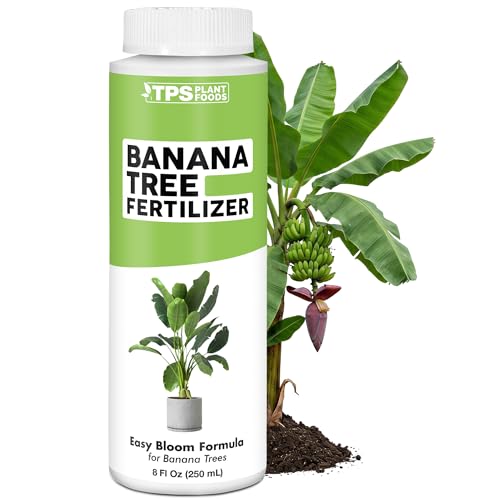
    Banana Tree Fertilizer, Liquid Plant Food for Healthy Growth, 8 oz | Indoor or Outdoor Use, For All Banana Tree Varieties, Helps Reduce Leaf Yellowing, Kelp-Enriched Formula, Easy Mix & Feed
    Banana Tree Fertilizer, Liquid Plant Food for Healthy Growth, 8 oz | Indoor or Outdoor Use, For All Banana Tree Varieties, Helps Reduce Leaf Yellowing, Kelp-Enriched Formula, Easy Mix & Feed

    Made for Banana Trees – Specially formulated banana fertilizer designed to support the nutrient needs of banana plants.
    VIEW LATEST PRICE

    As an affiliate, we earn on qualifying purchases.

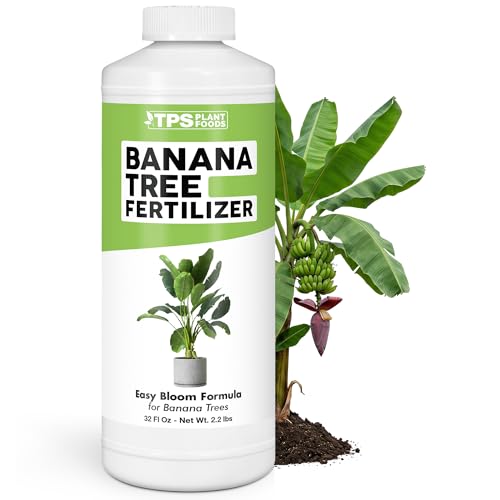
    Banana Tree Fertilizer, Liquid Plant Food for Healthy Growth, 32 oz | Indoor or Outdoor Use, For All Banana Tree Varieties, Helps Reduce Leaf Yellowing, Kelp-Enriched Formula, Easy Mix & Feed
    Banana Tree Fertilizer, Liquid Plant Food for Healthy Growth, 32 oz | Indoor or Outdoor Use, For All Banana Tree Varieties, Helps Reduce Leaf Yellowing, Kelp-Enriched Formula, Easy Mix & Feed

    Made for Banana Trees – Specially formulated banana fertilizer designed to support the nutrient needs of banana plants.

    VIEW LATEST PRICE

    As an affiliate, we earn on qualifying purchases.

    Lemon Tree Fertilizer – Liquid Plant Food for Healthy Growth & Blooms, 8 oz | Promotes Fruit Production, For Meyer & Dwarf Varieties, Supports Healthy Leaves, In-Ground & Potted Citrus, Fast-Absorption
    Lemon Tree Fertilizer – Liquid Plant Food for Healthy Growth & Blooms, 8 oz | Promotes Fruit Production, For Meyer & Dwarf Varieties, Supports Healthy Leaves, In-Ground & Potted Citrus, Fast-Absorption

    Made for Lemon & Citrus Trees – Formulated to support healthy growth in lemon and citrus plants.

    MUST READ
    How Long for Avocado Tree to Fruit: Tips for Faster Growth and Delicious Harvests
    VIEW LATEST PRICE

    As an affiliate, we earn on qualifying purchases.

    Factors Affecting Fruit Production

    1. Type of Banana Tree: Different varieties, such as Cavendish or Plantain, mature at varying rates. For instance, Cavendish trees typically bear fruit in 9 to 12 months, while other types may take longer.
    2. Growing Conditions: Optimal conditions enhance growth speed. Ensure your banana tree receives plenty of sunlight, ideally around 12 hours a day, and maintains warm temperatures between 75°F to 95°F (24°C to 35°C).
    3. Soil Quality: Well-draining soil rich in organic matter supports rapid growth. You can mix compost or fertilizer into the soil to supply essential nutrients.
    4. Watering Practices: Balanced moisture is crucial. Consistent watering, without waterlogging, promotes healthy growth, leading to earlier fruit production.

    Typical Growth Timeline

    The journey from planting to fruiting typically follows this timeline:

    StageDuration
    Planting to Sprouting2 to 3 weeks
    Growing to Maturity9 to 15 months
    Flowering6 to 8 weeks after maturity
    Fruit Development2 to 6 months post-flowering

    Care and Maintenance

    Caring for your banana tree ensures healthy growth and fruit production. Proper attention to watering, fertilization, and pest management plays a critical role in achieving this.

    Recommended Products

    Banana Tree Fertilizer for Sweet, Flavorful Fruits, 16oz | HiThrive Liquid Plant Food, Promotes Lush Growth, Strong Roots, and Abundant Harvest, Makes 16 Gallons
    Banana Tree Fertilizer for Sweet, Flavorful Fruits, 16oz | HiThrive Liquid Plant Food, Promotes Lush Growth, Strong Roots, and Abundant Harvest, Makes 16 Gallons

    2X MORE VALUE: The 16 oz bottle of Banana Plant Fertilizer makes 16 gallons of banana fertilizer for fruit trees, while the bigger size 32 oz bottle makes 32 gallons for lasting care of your banana trees.

    VIEW LATEST PRICE

    As an affiliate, we earn on qualifying purchases.

    Banana Fuel Liquid Fertilizer by Wellspring Gardens (32 fl oz) | Formula for Banana Trees & Plants - Plant Fertilizer Concentrate to Grow Healthy and Happy Plants
    Banana Fuel Liquid Fertilizer by Wellspring Gardens (32 fl oz) | Formula for Banana Trees & Plants - Plant Fertilizer Concentrate to Grow Healthy and Happy Plants

    PREMIUM FUEL LIQUID FERTILIZER: Wellspring Gardens Banana Fuel Liquid Fertilizer Concentrate provides a quality nutrient blend with minor elements that could grow your plants. Its 3-1-6 formula ratio is the ideal fertilizer ration according to University of Florida which is what our product is made of.

    MUST READ
    Do Fruits Grow on Trees: Discover the Surprising Sources of Your Favorite Fruits
    VIEW LATEST PRICE

    As an affiliate, we earn on qualifying purchases.

    Farmer's Secret Fruit Tree Booster Fertilizer - Super Concentrated and Phosphorus Rich - Formulated for All Fruit Trees Including Peach, Banana, and Apple (32oz)
    Farmer's Secret Fruit Tree Booster Fertilizer - Super Concentrated and Phosphorus Rich - Formulated for All Fruit Trees Including Peach, Banana, and Apple (32oz)

    Let our professionally formulated plant food help your fruit tree grow healthy, strong AND abundantly producing

    VIEW LATEST PRICE

    As an affiliate, we earn on qualifying purchases.

    Watering and Fertilization

    Water your banana tree regularly to keep the soil consistently moist. Use a soaker hose or drip irrigation to provide adequate moisture without waterlogging the roots. Aim for about 1 to 2 inches of water weekly, adjusting based on rainfall and temperature.

    Fertilization fosters strong growth and fruiting. Apply a balanced fertilizer every 4 to 6 weeks during the growing season. Look for fertilizers rich in potassium, usually found in options like 10-10-30 or 8-10-10. Consider composting to add organic matter, enhancing soil structure and nutrients.

    Pest and Disease Management

    Monitor your banana tree for pests and diseases. Common pests include aphids, spider mites, and banana weevils. Inspect leaves regularly. If you spot pests, use insecticidal soap or neem oil for treatment.

    Watch for signs of disease, such as yellowing leaves or mold. Fungal infections can be problematic, especially in wet conditions. Ensure proper air circulation around the plant by spacing trees correctly and removing any dead foliage. Treat diseases with fungicides when necessary, following label instructions carefully.

    Implementing these care practices helps your banana tree thrive and can significantly shorten the time before it bears fruit.

    Harvesting Bananas

    Harvesting ripe bananas requires attention to certain signs and proper techniques to ensure you enjoy the best fruit.

    Recommended Products

    Ultra Sharp Japanese Steel Pruning Shears - Cuts 3X Easier, Weak Hand Arthritis Clippers, Rust-Resistant Titanium Coated Pruner, Effortlessly Cuts 3/4 Inch
    Ultra Sharp Japanese Steel Pruning Shears - Cuts 3X Easier, Weak Hand Arthritis Clippers, Rust-Resistant Titanium Coated Pruner, Effortlessly Cuts 3/4 Inch

    ULTRA SHARP - Much less effort to cut branches with our pruning shears. Crafted from premium SK5 steel with titanium coating, our garden scissors and garden clippers boast exceptional durability and sharpness. A perfect pruning shears for gardening and a must-have garden tool, hedge clippers pruners for gardening

    VIEW LATEST PRICE
    MUST READ
    How to Save a Dying Fruit Tree: Practical Steps to Restore Health and Productivity

    As an affiliate, we earn on qualifying purchases.

    2-Pack Stainless Steel Gardening Scissors, Pruning Shears and Clippers for Gardening
    2-Pack Stainless Steel Gardening Scissors, Pruning Shears and Clippers for Gardening

    DUAL CUTTING POWER: VERSATILE PRUNING COMBO --- With both Pruning Shears and Pruning Snip, this combo delivers unmatched versatility. Whether you're delicately trimming flowers and shrubs, tackling thicker tree branches, or tending to your vegetable and fruit garden, our combo pack excels in all areas. They're also perfect for landscaping projects and maintaining the health and appearance of indoor plants. With this pack, you have a versatile tool that simplifies your gardening tasks.

    VIEW LATEST PRICE

    As an affiliate, we earn on qualifying purchases.

    Fiskars SoftGrip Bypass Pruning Shears, 5/8” Cut Capacity Garden Clippers | Right and Left-Handed Use, Steel Blade with Low Friction Coating, Rust Resistant Garden Clippers for Stems & Branches
    Fiskars SoftGrip Bypass Pruning Shears, 5/8” Cut Capacity Garden Clippers | Right and Left-Handed Use, Steel Blade with Low Friction Coating, Rust Resistant Garden Clippers for Stems & Branches

    AMBIDEXTROUS DESIGN: Pruner shape is designed for both right and left-handed use while pruning indoor & outdoor plants such as shrubs, ornamental trees, vines, & flowers like roses; SoftGrip handle reduces hand fatigue & enhances comfort and control

    VIEW LATEST PRICE

    As an affiliate, we earn on qualifying purchases.

    Signs of Ripeness

    Look for specific signs that indicate when bananas are ready for harvest. The following characteristics help you determine ripeness:

    • Color Change: Bananas transition from green to yellow as they ripen. A bright yellow hue signals readiness.
    • Texture: The skin should feel firm but not hard. A slight softness indicates ripeness.
    • Curved Shape: As bananas ripen, they’ll develop a more pronounced curve; this indicates a healthy fruit.
    • Blemishes: Small brown spots appear as bananas ripen, signifying sweetening and flavor development.

    Monitor these signs closely. Bananas typically reach peak ripeness about 75 to 80% yellow.

    Best Practices for Harvesting

    Follow these best practices for harvesting bananas to preserve quality and ensure a successful yield:

    • Use a Sharp Tool: Use a knife or pruning shears to cut the fruit from the plant. Avoid pulling or yanking them off as this can damage the tree.
    • Cut the Bunch: Harvest entire bunches instead of individual bananas. This practice minimizes damage and stress on the tree.
    • Handle with Care: Gently handle harvested bananas to prevent bruising. Bruised fruit deteriorates faster.
    • Store Properly: Store harvested bananas at room temperature to allow them to ripen evenly. Avoid refrigeration until they reach desired ripeness, as cold temps can hinder flavor development.
    MUST READ
    How to Get Rid of Termites in Fruit Trees: Effective Prevention and Treatment Strategies

    Following these guidelines ensures that you maximize the flavor and quality of your banana harvest.

    Conclusion

    Growing your own banana tree can be an exciting journey filled with anticipation. With the right care and conditions you can enjoy delicious fruit in as little as 9 to 15 months. Remember to provide ample sunlight warm temperatures and proper watering to keep your banana tree thriving.

    As you nurture your plant watch for signs of flowering and ripeness so you can enjoy the fruits of your labor. Whether you’re growing Cavendish or Red Bananas each step you take brings you closer to that sweet harvest. So roll up your sleeves and get ready to savor the delightful taste of homegrown bananas.

    Frequently Asked Questions

    How long does it take for a banana tree to produce fruit?

    It typically takes 9 to 15 months for a banana tree to produce fruit after planting. The exact timeframe can vary based on the banana variety and the growing conditions.

    What are the best growing conditions for banana trees?

    Banana trees thrive in warm temperatures, full sunlight, well-draining soil, and require regular watering. These conditions are essential for promoting healthy growth and fruit production.

    How do I care for my banana tree?

    To care for a banana tree, water it with 1 to 2 inches weekly, apply balanced fertilizer every 4 to 6 weeks, and inspect for pests and diseases regularly to ensure optimal health.

    What are the signs that bananas are ripe for harvesting?

    Look for a color change from green to yellow, a curved shape, and small brown spots on the skin. Bananas are best harvested when they are 75 to 80% yellow.

    How do I harvest bananas without damaging them?

    Use a sharp tool to cut the bunches and handle the bananas gently to avoid bruising. Harvest entire bunches instead of individual fruit for better preservation.

    Share. Facebook Twitter Pinterest LinkedIn Tumblr Email
    martha jackson
    Martha Jackson

      Martha Jackson is an accomplished freelance writer and editor with a strong interest in gardening. With a degree in English from the University of California, Berkeley, Martha has over 15 years of experience writing for a variety of publications. She is passionate about making gardening accessible to all and is always seeking out new techniques and innovations.

      Related Posts

      How Long Until Avocado Trees Bear Fruit and Tips for Faster Growth at Home

      February 20, 2025

      What Yellow Fruit Grows on Trees and Their Delicious Health Benefits

      February 20, 2025

      How to Air Layer Fruit Trees: A Step-by-Step Guide for Successful Propagation

      February 20, 2025

      When Do Grapefruit Trees Produce Fruit and How to Maximize Your Harvest

      February 20, 2025

      What Is a Fast Growing Fruit Tree: Discover Quick-Yield Options for Your Garden

      February 20, 2025

      Do Cherry Blossom Trees Have Fruit? Discover the Truth About Their Edibility and Benefits

      February 20, 2025
      Leave A Reply Cancel Reply

      Affiliate Disclosure

      As an Amazon Associate I earn from qualifying purchases.

      Recommended Reading

      When to Plant Fruit Trees: Best Times and Tips for a Thriving Orchard

      Grafting Almond Scions on Nectarine Trees: Hybrid Flavor & Growth Insights

      How to Save a Dying Fruit Tree: Practical Steps to Restore Health and Productivity

      Mastering Nectarine Tree Thinning: Expert Techniques for Healthy Fruit and Productivity Boost

      Pruning Grapes on an Arbor: Essential Guide for Bountiful Harvests

      How Long Does an Avocado Tree Produce Fruit and Tips for Maximizing Your Harvest

      How Long for a Plum Tree to Produce Fruit: Essential Tips for Growing Healthy Trees

      Is Fish Emulsion Good for Fruit Trees: Benefits for Growth and Fruit Quality

      How to Plant Potted Fruit Trees: A Step-by-Step Guide for Small Spaces and Big Yields

      Is Mulch Good for Fruit Trees? Essential Benefits and Application Tips You Need to Know

      Fruit Tree Hub

      Fruit Tree Hub is a website dedicated to providing you everything you need to grow fruit trees successfully at in your own yard.

      Contact us at: [email protected]

      - AFFILIATE DISCLOSURE: As an Amazon Associate I earn from qualifying purchases.

      Latest Posts

      23 Fun Crochet Keychain Ideas for Small Handmade Gifts

      18 Easy Crochet Flower Accessories for Bags, Hats, and Clothing

      24 Colorful Crochet Ideas in Pink, Green, and Purple Palettes

      25 Practical Crochet Projects Made for Beginners Who Want Fast Results

      21 Soft Kawaii Crochet Projects Featuring Cute Faces and Mini Details

      20 Unique Crochet Products to Sell for Everyday Use

      25 Affordable Crochet Items to Sell as Small Handmade Gifts

      18 Simple Crochet Projects Designed for One-Weekend Builds

      Categories
      • Almond Trees
      • Apple Trees
      • Apricot Trees
      • Best Fruit Trees
      • Blackberry
      • Cantaloupe
      • Cherry Trees
      • Christmas Crochet Ideas
      • Crochet Bag Ideas
      • Crochet Blanket Ideas
      • Crochet Dress Ideas
      • Crochet Ideas
      • Crochet Ideas for Beginners
      • Crochet Top Ideas
      • Cucamelon
      • Cute Crochet Ideas
      • Easy Crochet Ideas
      • Easy Knitting Projects
      • Fall Crochet Ideas
      • Fig Trees
      • Grapefruit Trees
      • Grapes
      • Guava Trees
      • Halloween Crochet Ideas
      • Honeydew
      • Jujube Trees
      • Kiwi
      • Knitting For Beginners
      • Knitting Ideas
      • Knitting Inspiration
      • Lemon Trees
      • Lime Trees
      • Loquat Trees
      • Mango Trees
      • Mulberry Trees
      • Nectarine Trees
      • Olive Trees
      • Orange Trees
      • Papaya Trees
      • Peach Trees
      • Pear Trees
      • Persimmon Trees
      • Planting
      • Plum Trees
      • Pomegranate Trees
      • Quince Trees
      • Raspberry
      • Reviews
      • Small Crochet Ideas
      • Star Fruit Trees
      • Summer Crochet Ideas
      • Tamarind Trees
      • Tangerine Trees
      • Tips and Advice
      • Tools
      • Uncategorized
      • Walnut Trees
      • Winter Crochet Ideas
      © 2026 Fruit Tree Hub
      • Home
      • About Us
      • Contact
      • Privacy Policy
      • Terms and Conditions
      • Disclaimer
      • Editorial Policy
      • Affiliate Disclosure

      Type above and press Enter to search. Press Esc to cancel.