

Curious about maximizing your garden space efficiently? Ever wondered if planting grapes and blackberries together is a smart gardening move? Picture this: a lush, fruitful garden where juicy grapes intertwine with plump blackberries, creating a vibrant tapestry of flavors. But the big question remains – can these two delicious fruits thrive harmoniously side by side?
Key Takeaways
- Companion planting of grapes and blackberries can offer benefits such as enhanced pollination, space optimization, and natural pest control.
- Risks to consider include competition for resources like water and nutrients, as well as the potential spread of diseases between the two plants.
- When planting grapes and blackberries together, ensure proper spacing, consider their spatial requirements, and select a sunny location with well-drained soil for optimal growth.
- Maintenance tips like regular pruning, disease monitoring, and pest management are crucial to ensuring healthy growth when co-planting grapes and blackberries.
- Successful companion pairings between grapes and blackberries can lead to synergistic benefits, improved pollination support, seasonal harvests, natural pest control, nutrient exchange, and aesthetic appeal in your garden.
Understanding Companion Planting
When it comes to gardening, understanding companion planting can be a game-changer. It involves strategically placing plants next to each other to maximize growth and health. Let’s delve into how this concept applies specifically to growing grapes and blackberries together.
Benefits of Growing Multiple Crops Together
Pairing grapes and blackberries in your garden offers several advantages:
- Pollination: Having different types of plants close together can attract a variety of pollinators, enhancing the overall pollination process for both grapevines and blackberry bushes.
- Space Optimization: By planting these fruits together, you’re efficiently utilizing space in your garden, allowing for a more diverse and productive harvest from the same area.
- Pest Control: Some plant combinations act as natural pest repellents or attract beneficial insects that help control pests common to grapes and blackberries.
Risks and Considerations
While companion planting is beneficial, there are some risks and considerations to keep in mind:
- Competing for Resources: Grapes and blackberries may compete for water or nutrients if planted too closely together. Ensure proper spacing between the two plants to avoid resource competition.
- Disease Spread: Certain diseases may affect both grapevines and blackberry bushes. Be vigilant about monitoring plant health to prevent the spread of diseases between the two crops.
By understanding the benefits, risks, and considerations of growing grapes and blackberries together through companion planting, you can create a harmonious garden environment that promotes healthy growth for both fruits.
Planting Grapes and Blackberries Together
When planting grapes and blackberries together, it’s essential to consider their spatial requirements and the climatic conditions that best suit both plants. Here’s what you need to know:
Recommended Products

Fiberglass Material Raspberry Cross Stake System with 2 Cross-bars, Height Adjustable

Material & Durability: Compatible for grape vine support, crafted from quality PP material for reusability, resistance to breakage, and easy distortion on vines without slipping when clipped to trellising twine.

PLASTIC MATERIAL: The plant support clips are made of plastic. 1.2 inch (30 mm) middle diameter. Smooth surface without burr. The clamps are durable, and the middle joint is folded repeatedly and not easy to break, which can be reused.
Spatial Requirements
To successfully plant grapes and blackberries together, ensure they have enough space to thrive individually while benefiting from each other’s presence. Grapes typically require a trellis or support structure for vertical growth, allowing them to spread out without competing with the blackberries on the ground.
For example, you can plant grapevines along a trellis at the edge of your garden bed, leaving ample room for blackberry bushes to grow beneath them. This arrangement optimizes space utilization and prevents overcrowding, ensuring both plants receive adequate sunlight and airflow.
Climatic Conditions
Both grapes and blackberries thrive in similar climatic conditions characterized by full sun exposure, well-drained soil, and moderate water availability. It’s crucial to select a planting location that meets these requirements to promote healthy growth and fruit production for both plants.
For instance, choose a sunny spot in your garden with nutrient-rich soil that drains well to prevent waterlogging. By providing consistent watering schedules tailored to the needs of grapes and blackberries, you can create an ideal environment for these fruits to flourish side by side.
By understanding the spatial needs and climatic preferences of grapes and blackberries, you can cultivate a harmonious garden where these plants coexist synergistically, enhancing pollination efficiency while minimizing potential challenges such as resource competition or disease transmission.
Maintenance Tips for Co-Planting
Recommended Products

Control fungus and disease in your garden with Captain Jack’s ready-to-use Liquid Copper Fungicide!

Control fungus and disease in your garden with Captain Jack’s ready-to-spray Liquid Copper Fungicide!

SYSTEMIC PLANT DISEASE CONTROL: Disease Control for Roses, Flowers, and Shrubs is a systemic formula that cures and prevents listed diseases for roses, flowers, shrubs, or even houseplants (treated outside)
Pruning and Care
To ensure the healthy growth of your grapes and blackberries when planted together, regular pruning and care are essential. Trim any overgrown branches or vines to maintain proper airflow and sunlight exposure for both plants. By keeping them well-pruned, you not only promote fruit production but also reduce the risk of diseases spreading between the two species.
Disease and Pest Management
When co-planting grapes and blackberries, it’s crucial to stay vigilant against potential diseases and pests that can affect both plants. Monitor your garden regularly for signs of common issues such as powdery mildew or aphids. Consider using organic fungicides or insecticidal soaps to address these problems effectively while minimizing harm to beneficial insects in your garden. Remember, early detection and prompt action are key to maintaining a thriving co-planted grape and blackberry patch.
Successful Companion Pairings
When considering companion planting in your garden, successful pairings play a crucial role. Here are some examples from experienced gardeners to guide you:
Recommended Products
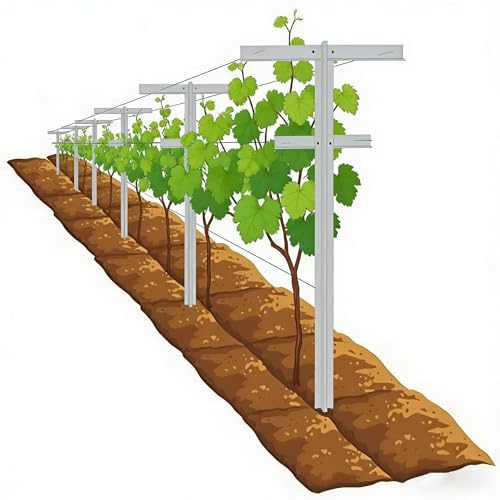
Fiberglass Material Raspberry Cross Stake System with 2 Adjustable Cross-bars

【Premium Material】: Garden trellis features galvanized steel pipes coated with PE material, offering protection against corrosion and adverse weather, while also preventing plants from high-temperature burns

PE Coated Metal Frame: Unlike normal fragile metal tubes, the grape vine trellis boasts metal tubes with protective PE coating, which offers unmatched resistance against rust. Furthermore, the plastic coating ensures a cooler surface that will not harm your plants in hot days.
Synergistic Benefits:
Experienced gardeners have observed that planting grapes and blackberries together can offer synergistic benefits. Grapes provide vertical structure for the sprawling blackberry bushes, maximizing space efficiency in your garden.
Pollination Support:
Grapes and blackberries complement each other by attracting pollinators like bees and butterflies. This mutual attraction can enhance pollination rates for both plants, leading to better fruit production.
Seasonal Harvests:
By combining grapes and blackberries, you create a diverse harvest throughout the growing season. Enjoy fresh grapes in late summer followed by delicious blackberries in early fall, ensuring a continuous supply of homegrown fruits.
Pest Control:
Some gardeners have noticed that the presence of one plant can deter pests that affect the other. For instance, certain compounds released by grapevines may help repel pests that target blackberries, contributing to natural pest control in your garden.
Nutrient Exchange:
The root systems of grapes and blackberries interact underground, facilitating nutrient exchange between the plants. This symbiotic relationship can improve soil health and nutrient uptake for both species, promoting overall growth and vitality.
Aesthetic Appeal:
Beyond their practical benefits, the combination of grapevines’ lush foliage with the vibrant berries of blackberry bushes creates an aesthetically pleasing landscape feature in your garden.
These examples illustrate how planting grapes and blackberries together can result in a harmonious co-cultivation strategy with numerous advantages for your gardening endeavors.
Conclusion
You’ve learned about the benefits and considerations of planting grapes and blackberries together. By understanding spatial requirements, climatic conditions, and maintenance tips, you can successfully grow these fruits side by side. Experienced gardeners highlight the synergistic advantages of pairing grapes with blackberries, including maximizing space efficiency, attracting pollinators, ensuring seasonal harvests, aiding in pest control, facilitating nutrient exchange, and enhancing your garden’s beauty. By combining these plants strategically, you can create a harmonious co-cultivation approach that offers various benefits for your gardening endeavors. Happy planting!
Frequently Asked Questions
Can grapes and blackberries be grown together in a garden?
Yes, grapes and blackberries can be grown together in a garden. They complement each other well and offer various benefits like maximizing space efficiency, attracting pollinators, aiding in pest control, and enhancing the garden’s aesthetic appeal.
What are some advantages of companion planting grapes and blackberries?
Companion planting grapes and blackberries can help maximize space efficiency, attract pollinators for better yield, aid in pest control naturally, facilitate nutrient exchange between plants, ensure seasonal harvests from different crops, and enhance the overall beauty of the garden.
What should I consider when growing grapes and blackberries together?
Consider factors like the spatial requirements of each plant to prevent overcrowding, ensuring they receive adequate sunlight exposure based on their needs, providing proper support structures for climbing varieties, maintaining soil moisture levels suitable for both plants’ growth, and monitoring for any signs of diseases or pests regularly.
