

Do you have a fruit tree that’s grown a bit wild? You’re not alone. Many gardeners face the challenge of keeping their trees healthy and productive. Trimming your fruit tree isn’t just about aesthetics; it’s essential for encouraging growth and maximizing your harvest.
Key Takeaways
- Pruning is Essential: Trimming your fruit tree is crucial for promoting healthy growth, optimizing sunlight exposure, and increasing fruit yield.
- Benefits of Regular Trimming: Proper pruning leads to increased fruit quantity and quality, improved tree structure, easier harvesting, and a longer lifespan for the tree.
- Right Tools Matter: Utilize appropriate tools like bypass pruners, loppers, and pruning saws to ensure effective and safe cutting.
- Follow Structured Steps: Assess your tree’s condition, make clean cuts, thin crowded branches, and limit pruning to 20% annually for best results.
- Avoid Common Mistakes: Steer clear of over-pruning and ensure you understand the specific pruning needs of your tree species to maximize growth and fruit production.
Understanding Fruit Tree Pruning
Pruning fruit trees involves cutting away specific sections to enhance growth and production. Understanding the purpose of this practice can significantly impact your gardening success.
Recommended Products
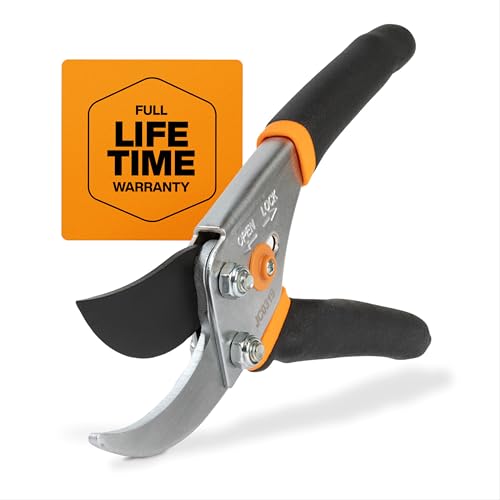
CLEAN CUTS FOR LIVE GROWTH: Bypass blade design is ideal for pruning delicate flower stems and green growth, helping reduce crushing and plant damage while cutting stems and small branches up to 5/8” in diameter

IDEAL BRANCH TRIMMER: 28" Steel blade garden bypass lopper that glides through up to 1.5" thick branches for easy cuts; Works well for trimming tree branches to maintain your yard and garden, and to encourage overall plant health and appearance
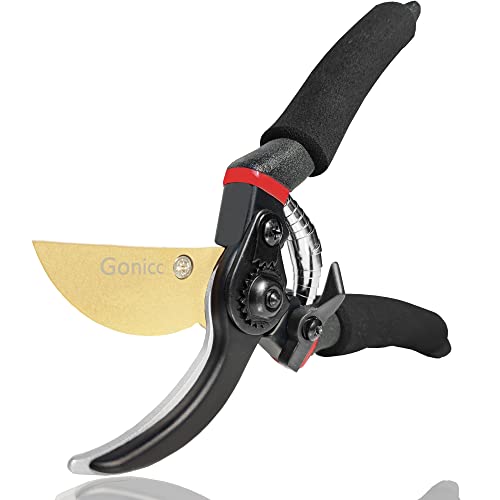
Drop-forged construction delivers exceptional durability and sturdiness for long-term heavy garden use.
Importance of Pruning
Pruning shapes your tree for optimal growth. It removes dead or damaged branches, allowing the tree to focus its energy on healthy parts. Proper pruning improves air circulation and sunlight exposure, leading to better fruit development. Keeping a well-pruned tree reduces the risk of disease and pest infestations, making maintenance easier.
Benefits of Trimming Fruit Trees
Trimming fruit trees offers multiple advantages:
- Increased Yield: Properly pruned trees produce more fruit. By removing excess branches, energy gets directed to fruit-bearing limbs.
- Better Fruit Quality: Pruning promotes larger and tastier fruits. Sunlight reaches more parts of the tree, enhancing flavor development.
- Improved Structure: A well-structured tree supports better growth and stability. Trimming helps create a balanced shape, reducing the risk of breakage.
- Easier Harvest: Pruned trees make harvesting simpler. Branches that are easily accessible allow for quicker and safer fruit collection.
- Enhanced Tree Lifespan: Regular pruning extends the life of the tree. Healthy trees resist diseases and tolerate environmental factors better.
By understanding these key points, you’re on your way to becoming an effective fruit tree pruner.
Tools Needed for Trimming
To trim your fruit tree effectively, you need the right tools. Proper equipment makes the task easier and safer, ensuring better results.
Recommended Products

★ 1. What you get: Professional convenient grafting tool set including a dual-use grafting pruner tool contain 2 extra replaceable blades, a wrench and a screwdriver, along with 36pcs wide rubber bands, 150 thick rubber bands and 1 grafting tape, packed in a black wallet to meet all your needs

Pruning Trees Shrubs and Vines No 54 By Gardenway Editors

Effortless Tree Cutting Operation: Designed for smooth and easy cutting of fruit trees, allowing you to finish girdling work with less effort
Essential Pruning Tools
- Bypass Pruners: Ideal for small branches up to ¾ inch thick. They cut cleanly, minimizing damage to the tree.
- Loppers: Useful for branches between ¾ inch and 1½ inches thick. The long handles provide leverage and reach.
- Pruning Saw: Best for larger branches over 1½ inches. A good pruning saw cuts through thicker wood with ease.
- Pole Pruner: Perfect for high branches that are out of reach. It combines a saw and pruner on a long pole for convenience.
- Hand Shears: Useful for trimming small shoots and maintaining shape. They offer precision for detailed work.
- Gloves: Wear sturdy gloves to protect your hands from cuts and scrapes. Choose ones with good grip for handling tools.
- Safety Glasses: Protect your eyes from falling debris and branches. Goggles ensure you can work without distraction.
- Hard Hat: Use a hard hat if working underneath large branches. It provides protection from accidental falls.
- Long-Sleeved Shirt and Pants: Dress in long sleeves and pants to shield your skin from sharp branches and tools.
- Sturdy Footwear: Wear closed-toe shoes with good traction. This prevents slips and provides support while working.
Steps to Trim a Fruit Tree
Trimming a fruit tree enhances its health and productivity. Follow these steps to ensure effective pruning.
Recommended Products

PROFESSIONAL GARDENING GRAFTING TOOLS: Including 2 in 1 grafting pruning tools, 3 replaceable blades, a grafting knife, a screwdriver, a wrench, 2 grafting films, 160 rubber bands, 40 wide rubber bands, and 50 colorful tag cards

UPGRAFE PROFESSIONAL GARDENING GRAFTING TOOLS: Professional grafting set, including 2 in 1 grafting pruning tools, 3 replaceable blades, a grafting knife, a pruning shears, a screwdriver, a wrench, 3 grafting films, and 45 colorful tag cards

【Surgical-Precision Grafting Tools】 Crafted with Japanese SK5 High-Carbon Steel blades (HRC 58-60 hardness) and ergonomic ABS handles, our 2-in-1 pruner delivers clean cuts up to 1/2" diameter branches. Dual-edge Ω/U/V blades prevent stem crushing, boosting grafting success rates by 40%* (*lab test data).
Assessing the Tree’s Condition
- Inspect for Damages: Look for dead or broken branches. Remove any that are decayed or infected.
- Examine Growth: Check the overall growth pattern. Identify areas with dense foliage that need thinning for better air circulation.
- Observe Shape: Assess the tree’s shape. Ensure it maintains a balanced structure to promote sunlight exposure.
- Evaluate Fruit Development: Consider the fruit quality from previous seasons. Lower yields often indicate the need for pruning.
- Use the Right Tools: Select bypass pruners for small branches, loppers for medium ones, and pruning saws for larger branches.
- Make Clean Cuts: Slice at a slight angle just above a bud or branch junction. This technique promotes quicker healing.
- Thin Out Crowded Branches: Remove branches that cross or rub against each other. This reduces disease risk and improves light penetration.
- Cut in Stages: For larger branches, cut them in sections to prevent tearing. Start with a notch on the underside before cutting from above.
- Limit Annual Pruning: Trim about 20% of the tree each year to maintain health without stressing the plant.
- Maintain Tree Height: Use pole pruners for high branches. Keeping the tree at a manageable height eases future maintenance.
Apply these steps carefully to promote healthy growth and optimize fruit production.
Common Mistakes to Avoid
Trimming a fruit tree can be rewarding, but common mistakes can sabotage your efforts. Avoiding these pitfalls helps ensure healthy and productive trees.
Over-Pruning
Over-pruning can harm your tree’s growth and fruit production. Cutting too much at once stresses the tree, causing it to produce fewer fruits or may even lead to tree decline. When pruning, limit yourself to removing no more than 20% of the tree’s foliage each year. Focus on dead or damaged branches first, then shape the tree without excessive cuts. A gradual approach fosters a healthier tree and better yields.
Ignoring Tree Type
Ignoring your tree’s specific needs results in improper pruning, which can lead to poor growth. Different fruit trees, like apples and peaches, require distinct pruning techniques. For example, apple trees benefit from a more open center to enhance sunlight exposure, while peach trees thrive with cutbacks to encourage new growth. Research your tree type or consult local horticultural resources to learn the best practices tailored for your specific tree species. This ensures you provide optimal care and enhances fruit production effectively.
Conclusion
Trimming your fruit trees is a rewarding task that pays off in healthier trees and better yields. By following the right techniques and using the proper tools you can ensure your trees thrive. Remember to assess your tree’s unique needs and avoid common pitfalls like over-pruning.
With a little patience and care you’ll create a beautiful and productive garden. So grab your tools and get started on your fruit tree trimming journey. Happy gardening!
Frequently Asked Questions
Why is pruning fruit trees important?
Pruning fruit trees is essential for promoting healthy growth and maximizing fruit yield. It helps in removing dead or damaged branches, improving air circulation, enhancing sunlight exposure, and reducing disease or pest risks, leading to better overall tree health and productivity.
What tools are needed for trimming fruit trees?
Effective tools for trimming fruit trees include bypass pruners for small branches, loppers for medium branches, pruning saws for larger branches, and pole pruners for high branches. Additionally, safety equipment such as gloves, safety glasses, and sturdy footwear is crucial for protection.
How should I assess my fruit tree before trimming?
Before trimming, assess your fruit tree by inspecting for any damage, evaluating growth patterns, observing its shape, and checking fruit development. This evaluation helps determine the right pruning approach to enhance the tree’s health and productivity.
What are common mistakes to avoid when pruning?
Common mistakes include over-pruning, which can stress the tree and reduce fruit yield, and failing to recognize the specific needs of different tree types. Limit annual pruning to about 20% of the tree’s foliage and research tree care requirements to avoid poor growth.
How often should I prune my fruit trees?
Pruning should be done annually, but it’s important to limit cuts to about 20% of the tree’s total foliage each year. This practice helps maintain tree health while promoting growth and fruit production effectively.
