

Ever wondered how to grow your own delicious fruit right in your backyard? Planting a bare root fruit tree might just be the perfect solution. It’s a rewarding project that not only beautifies your space but also provides fresh produce for years to come.
Key Takeaways
- Understanding Bare Root Fruit Trees: These trees are sold without soil around the roots, making them easier to transport and plant while dormant, typically in early spring or late fall.
- Benefits of Planting: Bare root trees are cost-effective, establish faster without soil hindrances, offer a wide selection, and demand fewer resources during their early growth phase.
- Site Selection: Choose a location that gets 6-8 hours of sunlight daily and has well-drained, fertile soil for optimal growth.
- Planting Process: Plant in the dormant season, soak roots before planting, ensure the graft union is above soil level, and water thoroughly after backfilling.
- Ongoing Care: Regular watering, appropriate fertilization in spring, and seasonal pruning are essential for healthy tree growth and fruit production.
- Avoid Common Mistakes: Prevent overwatering and ensure proper planting depth to support healthy root development and avoid suffocation.
Understanding Bare Root Fruit Trees
Bare root fruit trees are young trees sold without soil or potting materials around their roots. These trees typically come in a dormant state, which makes them easy to transport and plant, especially during the early spring or late fall.
What Are Bare Root Fruit Trees?
Bare root fruit trees are nursery-grown trees that arrive with their roots exposed. This method encourages rapid growth and establishment once planted in your yard. Common examples include apple, peach, and cherry trees, which often thrive in various climates and conditions.
Benefits of Planting Bare Root Fruit Trees
Planting bare root fruit trees offers several advantages:
- Cost-Effective: Bare root trees often cost less than container-grown trees due to lower shipping and storage costs.
- Faster Establishment: Without soil or potting material, roots can spread quickly and absorb moisture or nutrients more efficiently.
- Wide Selection: Many varieties are available in bare root form, providing numerous options for your garden.
- Easier to Handle: Lighter and more compact than container trees, bare root trees are easier to transport and plant.
- Environmental Benefits: Bare root trees typically require less water and resources during their early growth phase, making them a more sustainable option.
These benefits make bare root fruit trees an excellent choice for anyone interested in growing their own fresh fruit.
Choosing the Right Location
Selecting the right location is crucial for your bare root fruit tree’s success. Consider both sunlight and soil quality to ensure optimal growth.
Recommended Products

Complete Orchard Starter Bundle: Receive 8 dormant bare root fruit trees with 2 each of Apple,Blueberry, Raspberry, Blackberry. A great way to start or expand a backyard orchard with a variety of delicious fruits.

🍎 GROW YOUR OWN FRESH APPLES Enjoy homegrown fruit right from your backyard. Apple trees produce delicious, crisp apples perfect for fresh eating, baking, and cider.

NUTRIENT-RICH, NATURAL, AND ORGANIC SOIL: Grow a bountiful garden in your home with the Back to the Roots All-Purpose Natural and Organic Peat-Free 3-in-1 Seed Starting Mix, packed with the nutrients needed for your plants, flowers, and vegetables to thrive
Sunlight Requirements
Most fruit trees thrive in full sunlight, needing at least six to eight hours of direct sun daily. Choose a south-facing area for maximum exposure. Keep trees away from tall structures or dense tree canopies that may create shade. Check for any nearby obstacles that could block sunlight during different seasons. Remember, more sunlight equates to better fruit production.
Soil Quality and Preparation
Soil quality significantly impacts tree growth. Aim for well-drained soil with good fertility. Conduct a soil test to check pH levels and nutrient content. Most fruit trees prefer slight acidity, around 6.0 to 6.8. If your soil lacks nutrients, amend it with organic matter, such as compost. Before planting, clear rocks and debris from the site and till the soil to improve aeration. Proper soil preparation enhances root establishment, ensuring your fruit tree flourishes.
Planting Process
Planting your bare root fruit tree involves careful timing and specific steps to ensure success.
When to Plant Bare Root Fruit Trees
Plant bare root fruit trees in early spring or late fall when the tree is dormant. This timing enhances root establishment as the tree focuses on growing after it’s planted. If you’re in a warmer climate, consider late winter, which allows the tree to settle into its new environment before the growing season starts.
- Select a Planting Site
Choose a location that receives at least six to eight hours of direct sunlight each day. Ensure the spot has well-drained, fertile soil. - Prepare the Planting Hole
Dig a hole that’s about twice as wide and as deep as the root ball. Loosen the soil at the bottom to help roots spread easily. - Inspect the Roots
Examine the roots for any signs of damage or rot. Trim any damaged roots with clean, sharp pruning shears. - Soak the Roots
Before planting, soak the bare roots in water for up to 12 hours. This helps hydrate the tree and promotes establishment. - Position the Tree
Place the tree in the hole, ensuring the graft union (swelling on the trunk) sits above soil level. This aids in preventing waterlogging near the graft. - Backfill the Hole
Fill the hole with soil, breaking up clumps as you go. Firm the soil gently around the roots to eliminate air pockets. - Water Thoroughly
After planting, water the tree deeply. This helps settle the soil around the roots and provides essential moisture. - Mulch the Area
Apply a layer of mulch around the base of the tree, keeping it a few inches away from the trunk. This helps retain moisture, suppress weeds, and regulate soil temperature. - Monitor and Care
Check the tree regularly during its first growing season. Water it consistently, especially during dry spells, and observe for any signs of stress or pests.
Following these steps ensures a healthy beginning for your bare root fruit tree, setting the stage for bountiful harvests in years to come.
Care and Maintenance
Caring for your bare root fruit tree ensures its successful growth and fruiting. Pay attention to watering, fertilizing, and pruning.
Recommended Products
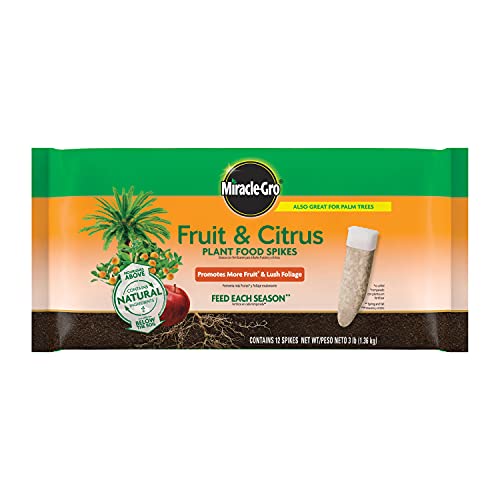
FORMULATED FOR CITRUS AND FRUIT TREES: Use these citrus fertilizer spikes on apple, orange, lemon, lime, and avocado trees; this formula is also great for feeding palm trees

Made for Lemon & Citrus Trees – Formulated to support healthy growth in lemon and citrus plants.

Package contains 4 Pounds organic fruit and citrus fertilizer grains and is produced to avoid wasteful runoff, mess, hazards and smells
Watering Techniques
Water your tree regularly, especially during dry periods. Aim to keep the soil consistently moist but not soggy. Use deep watering methods, filling a bucket or hose with water and allowing it to seep into the soil around the roots. This encourages deep root growth. Watering every week for the first growing season works well, adjusting based on rainfall and temperature. After the first year, a good watering every two weeks is often sufficient, depending on your local climate.
Fertilizing and Pruning
Fertilize your tree in early spring, using a balanced fertilizer specifically for fruit trees. Follow the manufacturer’s instructions for application rates. Mulching under the tree helps retain moisture and improve soil quality.
Prune your tree during the dormant season, ideally late winter or early spring. Remove any dead, damaged, or crossing branches to promote air circulation. Aim for an open center shape to maximize sunlight penetration. During the first few years, focus on shaping the tree rather than extensive pruning. This helps establish a strong structure for future fruit production.
Stay attentive to your tree’s health, watching for any signs of pests or diseases, and address issues promptly to ensure a thriving fruit tree.
Common Mistakes to Avoid
Avoiding common pitfalls ensures a successful start for your bare root fruit tree.
Overwatering Issues
Overwatering can lead to root rot, stunting growth or killing the tree. You find it easy to overestimate the water needs of your tree, especially shortly after planting. Monitor the soil moisture before watering; the top inch of soil should be dry to the touch. Use your finger to check moisture levels, and only water when necessary. Consider installing a moisture meter for more accuracy. Young trees prefer consistent but not excessive moisture.
Planting Too Deep
Planting too deep results in poor root development and can suffocate the tree. Ensure the graft union, the swollen area where the trunk meets the roots, is level with the soil surface. Dig a hole two to three times wider than the root spread, but no deeper than the root system length. After positioning the tree, backfill gently. Disturbing the roots too much prevents them from growing properly. Mark the depth visually before planting to avoid mistakes.
Conclusion
Planting a bare root fruit tree is a fulfilling journey that brings the joy of homegrown fruit right to your backyard. With a little preparation and care you can set the stage for a thriving tree that rewards you with delicious produce for years to come.
Remember to choose the right spot and give your tree the attention it needs during its first growing season. By following the tips shared in this article you’re well on your way to creating a beautiful and fruitful addition to your garden. So grab your tools and get ready to enjoy the sweet rewards of your hard work. Happy planting!
Frequently Asked Questions
What are bare root fruit trees?
Bare root fruit trees are young trees sold without soil or potting materials around their roots. Typically dormant when sold, they are easy to transport and plant, making them ideal for early spring or late fall planting.
Why should I plant bare root fruit trees?
Planting bare root fruit trees is cost-effective, allows for faster establishment, and offers a wide selection of varieties. This method also benefits the environment and enhances your backyard’s beauty while providing fresh fruit for years.
How much sunlight do bare root fruit trees need?
Most bare root fruit trees require at least six to eight hours of direct sunlight each day. A south-facing location is ideal, avoiding shade from tall structures or dense canopies for optimal growth.
What type of soil do I need for planting?
Bare root fruit trees thrive in well-drained, fertile soil with a slightly acidic pH of 6.0 to 6.8. Conducting a soil test beforehand can help ensure the soil meets these requirements for healthy root establishment.
When is the best time to plant bare root fruit trees?
The optimal time to plant bare root fruit trees is in early spring or late fall when the trees are dormant. This timing helps ensure better survival rates and faster establishment in your garden.
How do I plant a bare root fruit tree?
To plant a bare root fruit tree, prepare the planting hole, inspect and soak the roots, position the tree straight in the hole, backfill with soil, water thoroughly, and apply mulch to retain moisture.
How should I care for my bare root fruit tree?
Care for your bare root fruit tree by watering regularly, especially during dry spells. Apply a balanced fertilizer in early spring and mulch to preserve soil moisture. Monitor for pests and diseases for a healthy tree.
What common mistakes should I avoid when planting?
Avoid overwatering, which can cause root rot, and planting too deep, risking suffocation of the roots. Ensure the graft union is level with the soil surface and backfill carefully to protect the roots.
How do I ensure my tree grows healthy?
To promote healthy growth, provide adequate water, fertilize in spring, mulch to retain moisture, and prune during dormancy for better air circulation. Regularly check for any health issues or pests for proactive care.
