

Wondering how late you can prune your fruit trees without harming them? You’re not alone. Many gardeners face the dilemma of timing when it comes to pruning, especially as the seasons change.
Pruning at the right time can boost your tree’s health and improve fruit production, but doing it too late might lead to unwanted consequences. This article will guide you through the best timing for pruning your fruit trees, ensuring you make the most of your gardening efforts. With a few simple tips, you’ll feel confident in keeping your trees healthy and thriving.
Key Takeaways
- Optimal Pruning Seasons: The best times to prune fruit trees are late winter and early spring, with heavy pruning in late winter and lighter pruning in early spring to promote healthy growth.
- Timing Impact: Pruning too late can negatively affect fruit production, potentially leading to reduced yields and increased vulnerability to diseases and pests.
- Pruning Techniques: Employ various pruning techniques, such as thinning, heading, crown reduction, and rejuvenation, tailored to the specific needs of your fruit trees for optimal health and productivity.
- Assessing Tree Health: Always evaluate the health of your tree before pruning, as healthy trees can better withstand late pruning compared to stressed or damaged ones.
- Use the Right Tools: Utilize appropriate tools like sharp shears, loppers, and pruning saws for effective cuts, ensuring clean and precise pruning which aids in faster recovery of the trees.
- Disinfection Practices: Disinfect pruning tools before use, especially between different trees, to prevent the spread of diseases and ensure the continued health of your fruit trees.
Understanding Pruning Basics
Pruning is essential for maintaining healthy fruit trees. Knowing when and how to prune can significantly impact your trees’ growth and fruit production.
Recommended Products
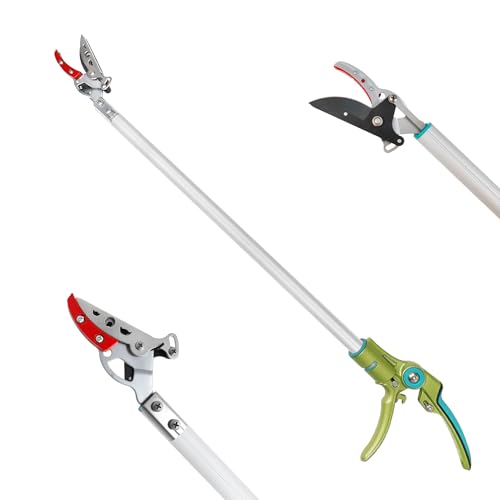
[REACH HIGH & STAY SAFE](No Ladder Required) Say goodbye to wobbly ladders! This 32inch long reach pole pruner offers an extra 30 inches of safe reach, allowing you to prune high branches or tall fruit trees while standing firmly on the ground. It’s the perfect extension tool for maintaining your backyard without the risk of falling.


UPGRAFE PROFESSIONAL GARDENING GRAFTING TOOLS: Professional grafting set, including 2 in 1 grafting pruning tools, 3 replaceable blades, a grafting knife, a pruning shears, a screwdriver, a wrench, 3 grafting films, and 45 colorful tag cards
Importance of Pruning
Pruning promotes healthy growth by removing dead or diseased branches. It encourages better air circulation and sunlight penetration, allowing for improved fruit quality. Through regular pruning, you can shape your tree, making it easier to manage and harvest. Pruning also stimulates new growth, which leads to increased fruit yields in the following seasons.
- Thinning: Thinning focuses on removing specific branches to improve airflow. This technique helps reduce overcrowding, ensuring that remaining branches receive adequate sunlight.
- Heading: Heading involves cutting back a portion of a branch to encourage bushier growth. It creates a denser canopy, which can enhance fruit set on the remaining branches.
- Crown Reduction: Crown reduction reduces the height and spread of the tree. This technique maintains tree size while ensuring enough sunlight reaches all sections.
- Cleaning: Cleaning entails removing dead, damaged, or diseased wood. It’s vital for preventing pests and diseases from spreading.
- Rejuvenation: Rejuvenation drastically prunes old or neglected trees. It typically involves heavy cutting back to stimulate new growth, resulting in a healthier tree over time.
By understanding these techniques, you can tailor your approach to meet the specific needs of your fruit trees, enhancing their productivity and longevity.
Timing for Pruning
Understanding the right timing for pruning fruit trees enhances tree health and improves fruit production. Late pruning can harm your trees, so knowing when to cut is crucial.
Optimal Pruning Seasons
Pruning typically happens during two main seasons: late winter and early spring. Late winter, when trees are dormant, promotes vigorous growth in spring. It’s the best time for heavy pruning, especially for apple and stone fruit trees. Early spring allows you to see the tree’s structure better, making it easier to remove unwanted branches. For some fruits, like summer-bearing varieties, consider pruning after harvest to maintain shape without affecting yields.
Factors Affecting Pruning Timing
Several factors influence when you should prune your fruit trees:
- Tree Species: Different species have specific needs. For example, grapevines benefit from pruning in late winter, while peach trees thrive with summer pruning.
- Climate: Local weather impacts dormancy. In warmer regions, pruning might happen earlier compared to colder areas.
- Tree Health: Assess your tree’s health. If it shows signs of disease or damage, timely pruning helps recover its vigor.
- Desired Growth: If you’re aiming for a particular growth shape or size, adjust your pruning schedule accordingly to align with growth cycles.
By recognizing these elements, you can determine the perfect pruning time for your fruit trees, ensuring they flourish season after season.
How Late Can You Prune Fruit Trees?
Understanding the timing of pruning fruit trees helps you maintain their health and improve fruit production. Late pruning can pose challenges, so it’s essential to know the best seasons for your specific trees.
Recommended Products
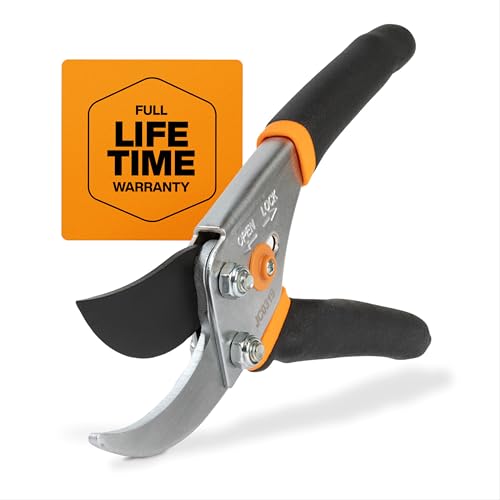
CLEAN CUTS FOR LIVE GROWTH: Bypass blade design is ideal for pruning delicate flower stems and green growth, helping reduce crushing and plant damage while cutting stems and small branches up to 5/8” in diameter

Reduce Hand Strain: These micro tip snips are made to reduces hand fatigue which makes them great for those with arthritis, carpal tunnel, hand or wrist issues; Comfortable “grip” handles will make it easy to work for long-time use without making you feel hand pain

LONG-LASTING SHARPNESS: Japanese SK5 bypass blade with titanium coating is tested through 5,000 cuts to maintain a sharp edge and deliver clean, consistent cuts on live stems and branches
Pruning in Late Winter
Prune fruit trees in late winter, just before new growth starts. This timing allows you to see the tree’s structure clearly, making it easier to identify which branches to cut. Aim for late February to early March in most regions. Heavy pruning boosts air circulation and sunlight penetration, promoting healthy growth for the upcoming spring season.
Pruning in Early Spring
Early spring marks a great time for lighter pruning. As buds swell and start to bloom, you can remove dead or damaged branches. This phase also encourages robust fruiting since the tree redirects energy to healthier branches. For many areas, late March through early April proves ideal. However, minimize stress on the tree as it begins to grow by avoiding drastic cuts.
Risks of Late Pruning
Pruning too late in the season can interfere with fruit production. If you prune after leaf buds have opened, you risk reducing yields and encouraging suckers. For many species, delay can also expose cuts to diseases or pests. Avoid pruning after mid-April in warmer climates or post-bloom in cooler zones. Teaching yourself to recognize proper pruning windows will enhance your trees’ health and productivity.
Best Practices for Late Pruning
Pruning fruit trees late in the season requires careful attention to maintain their health and productivity. Following best practices ensures you prune effectively, minimizing risks while maximizing benefits.
Recommended Products

1:EXTENDABLE REACH FOR LADDER-FREE SAFETY – Acting as both a reliable tree pruner and a fruit picker pole, this tool effortlessly extends from 3.28 to 5.25 FT to reach high branches up to 10 FT from the ground. The innovative rotating and locking head allows for precise angles without unstable ladders or risky stretching, ensuring maximum safety.

2 in 1 Grafting Pruning Pliers: The sharp and durable stainless steel blade with a anti-skid handle allows you to cut scion and stock better

【Durable Stainless Steel Blades】 Crafted with rust-resistant stainless steel, the dual blades (curved & straight) stay sharp for precise grafting, bark lifting, and pruning. Includes a bark lifter for effortless plant care.
Assessing Tree Health
Evaluate your tree’s overall condition before pruning. Look for signs of disease, dead branches, or damage. Healthy trees can generally withstand late pruning better than stressed ones.
- Inspect Leaves: Check for discoloration or spots that may indicate a problem.
- Examine Branches: Identify any dead or broken branches that need removal.
- Assess Growth: Note the tree’s growth pattern; vigorous growth could mean it handles late pruning more effectively.
Keep in mind that pruning weak or diseased trees late can hinder their recovery and fruiting capabilities.
Tools and Techniques for Effective Pruning
Using the right tools and techniques can enhance your pruning success. Here’s what to consider:
- Pruning Shears: Use sharp shears for precise cuts on smaller branches. This prevents tearing and promotes healing.
- Loppers: For larger branches, opt for loppers for better leverage and cleanliness.
- Saw: A pruning saw is excellent for thick branches. Make clean cuts to avoid damaging the trunk.
- Disinfect Tools: Always disinfect your tools before use, especially if moving between trees. This practice helps prevent disease spread.
For technique, aim for a 45-degree angle on cuts. This encourages quicker healing. Additionally, avoid cutting in wet conditions, as this can lead to fungal infections.
Conclusion
Pruning your fruit trees at the right time can make all the difference in their health and productivity. By understanding the best seasons and techniques for pruning you can ensure your trees thrive and produce delicious fruit.
Remember to assess your trees’ health before making any cuts and always use the right tools for the job. Late pruning can lead to complications so it’s best to stick to the recommended time frames. With a little care and attention your fruit trees will reward you with bountiful harvests for years to come. Happy pruning!
Frequently Asked Questions
When is the best time to prune fruit trees?
The ideal time to prune fruit trees is in late winter or early spring. Late winter, specifically from late February to early March, is best for heavy pruning, while early spring, from late March to early April, is suitable for lighter pruning.
Why is pruning important for fruit trees?
Pruning is essential for fruit trees as it removes dead or diseased branches, promotes healthy growth, improves air circulation, and enhances sunlight penetration. This leads to better fruit quality and overall tree health.
What are the risks of late pruning?
Late pruning can interfere with fruit production and expose trees to diseases and pests. It’s advised to avoid pruning after mid-April in warmer climates or after bloom in cooler zones to ensure optimal tree health.
What pruning techniques should I consider?
Common pruning techniques include thinning, heading, crown reduction, cleaning, and rejuvenation. Each technique serves a different purpose and can be tailored to the specific needs of your fruit trees.
How can I assess my fruit tree’s health before pruning?
Examine leaves, branches, and growth patterns. Healthy trees can withstand pruning better, while those showing signs of disease or stress should be evaluated carefully before proceeding with cuts.
