

Quince trees thrive in San Diego’s coastal climate, offering gardeners a fruitful option for home orchards. Proper care and knowledge of local conditions can significantly enhance fruit production and tree health.
Choosing Quince Tree Varieties for San Diego
Quince trees come in several varieties, each with unique characteristics suited for different growing conditions. The most common types include the Smyrna and Pineapple quince. The Smyrna is known for its large, pear-shaped fruit, while the Pineapple variety has a more aromatic flavor. When selecting a variety, consider factors such as intended use, flavor profile, and tree size.
| Quince Variety | Fruit Size | Flavor Profile | Best Uses |
|---|---|---|---|
| Smyrna | Large | Sweet | Jams, desserts |
| Pineapple | Medium | Aromatic | Fresh eating, cooking |
| Pineapple | Medium | Tart | Canning, baking |
Soil Preparation Techniques for Quince Trees
Soil preparation is crucial for the successful growth of quince trees. Well-draining soil with a pH between 6.0 and 7.0 is ideal. Conduct a soil test to determine nutrient levels and amend accordingly. Adding organic matter like compost improves soil structure and fertility.
Test soil pH using a home kit or local extension service.
Amend soil with compost or well-rotted manure to enhance nutrients.
Ensure proper drainage by planting in raised beds if necessary.
Quince Tree Planting Best Practices
Planting quince trees in San Diego requires attention to the region’s unique climate and soil conditions. Understanding the best practices for planting can ensure healthy growth and fruitful yields. This section outlines essential techniques and tips for successfully establishing quince trees in the coastal environment of Southern California.
Planting quince trees at the right time and depth ensures robust growth. Late winter or early spring is the best time for planting in San Diego. Choose a location with full sun exposure and adequate spacing from other trees.
Dig a hole twice the width of the root ball.
Place the tree in the hole, ensuring the graft union is above soil level.
Backfill with soil and water thoroughly to eliminate air pockets.
Quince Tree Care Techniques for San Diego
Regular care is vital for quince trees to flourish. This includes watering, pruning, and pest management. Quince trees require moderate watering, especially during dry spells. Pruning should be done in late winter to shape the tree and remove dead or diseased branches.
Water deeply once a week during dry periods.
Prune annually to maintain shape and improve air circulation.
Monitor for pests like aphids and scale, applying organic treatments as needed.
Recommended Products
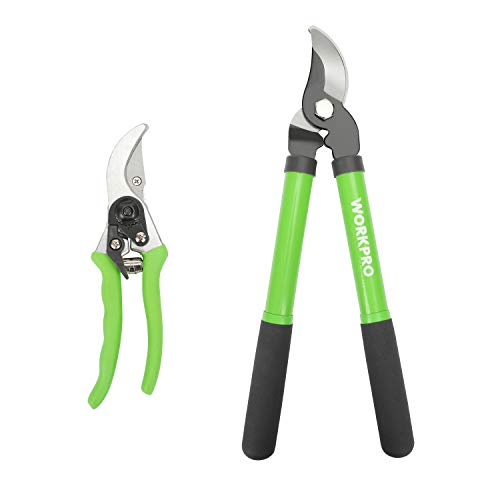
Ideal for pruning flowers and other garden plants

Sharp Mn Steel Blade for Fast & Clean Cuts: This pole saw uses a sharp three-sided edge with a double-sided barb design to grip branches securely and cut smoothly from multiple angles. The Mn steel blade is durable, rust-resistant, and lightweight, delivering fast, clean cuts. Precision-ground teeth discharge sawdust to avoid clogging, while the soft-wrapped handle ensures comfort during long use and can be replaced easily when needed.

MFT45 7-in-1 multi function tool
Optimal Timing for Quince Harvest
Harvesting quince fruit requires careful timing to ensure optimal flavor and texture. Quince is typically ready for harvest in late fall when the fruit turns a golden yellow. Handle the fruit gently to avoid bruising, as it is quite delicate.
Check for color; a golden hue indicates ripeness.
Use pruning shears to cut the fruit from the tree.
Store in a cool, dry place to enhance flavor development.
Pest and Disease Management for Quince Trees
Managing pests and diseases is crucial for the health and productivity of quince trees in San Diego’s coastal climate. This section delves into common threats that these trees face, offering practical strategies for prevention and control. Understanding these challenges will help ensure a thriving quince orchard in the region.
Quince trees can face several challenges, including pests and diseases. Common pests include codling moths and spider mites. Fungal diseases like quince rust can also affect tree health.
Inspect trees regularly for signs of pests or disease.
Apply organic pesticides as a preventive measure.
Ensure good air circulation to reduce fungal growth.
Recommended Products

Control diseases and insects in your garden with Captain Jack’s Fruit Tree Spray Concentrate! Use on a variety of listed fruits, nuts and citrus plants.

MULTI-PURPOSE BUG KILLER - Bonide Neem Oil is a perfect pest control solution for any garden dealing with mites, flies, mildew, and more. This product is a three-in-one fungicide, miticide, and insecticide.

Control diseases and insects in your garden with Captain Jack’s Fruit Tree Spray Concentrate! Use on a variety of listed fruits, nuts and citrus plants.
San Diego Quince Cultivation Strategies
San Diego’s unique climate offers an excellent opportunity for cultivating quince trees, which thrive in Mediterranean-like conditions. Understanding specific cultivation strategies can enhance fruit quality and yield, making it essential for local growers to adapt their practices to the region’s environment. This section delves into effective techniques tailored for successful quince production in San Diego.
Understanding local climate conditions is essential for successful quince cultivation. San Diego’s mild winters and warm summers create an ideal environment. However, consider microclimates within your garden that may affect growth.
Monitor local weather patterns to anticipate watering needs.
Select planting sites that receive adequate sunlight.
Adjust care practices based on specific microclimate conditions.
Quince Cultivation Tips for San Diego
Growing quince trees in San Diego presents unique opportunities and challenges due to the region’s climate and soil conditions. Understanding the specific cultivation techniques can significantly enhance fruit quality and tree health. This section provides practical tips tailored for successful quince cultivation in the coastal environment of San Diego.
Growing quince trees in San Diego can be rewarding with the right knowledge and practices. Focus on soil health, proper planting, and ongoing care to maximize fruit production. Regular monitoring for pests and diseases will further enhance your success.
