

Have you ever watched in frustration as crows swoop down and feast on your precious fruit? You’re not alone. Many gardeners face the challenge of keeping these clever birds at bay while trying to enjoy the fruits of their labor.
In this article, you’ll discover practical and effective strategies to protect your fruit trees from crows. From simple deterrents to more creative solutions, you’ll find tips that fit your gardening style. By the end, you’ll feel empowered to safeguard your harvest and enjoy your fruits without sharing them with pesky crows.
Key Takeaways
- Understanding Crow Attraction: Crows are drawn to fruit trees by food availability, nesting opportunities, and their social behavior, making awareness of their motivations essential for effective deterrence.
- Impact of Crows on Harvest: Crows can significantly damage fruit quality and overall production by consuming ripe fruit, pecking at unripe ones, and disturbing pollination, which can lower your harvest.
- Effective Deterrent Strategies: Utilize physical barriers (like nets and spikes), scare tactics (shiny objects and predator decoys), and noise deterrents to keep crows away from your fruit trees.
- Non-Toxic Repellents: Apply homemade or commercial non-toxic repellents to deter crows, reapplying regularly for continued effectiveness and ensuring they are safe for your plants.
- Regular Monitoring and Maintenance: Consistently observe your trees for crow activity, promptly remove fallen fruit, and maintain tree health through pruning to minimize their attraction to your garden.
Understanding the Problem
Crows pose a significant challenge for gardeners, especially when it comes to protecting fruit trees. These intelligent birds can quickly spot ripe fruit and gather in groups, leading to rapid damage to your harvest. Understanding the reasons behind their attraction to your fruit trees is key in developing effective deterrents.
Why Crows Are Drawn to Fruit Trees
- Food Source: Crows seek out fruits like berries, cherries, and apples. They recognize their bright colors and sweet scents, making them an easy target for nourishment.
- Nesting: Crows prefer areas with ample vegetation, providing cover and nesting materials. Your fruit trees might offer the perfect environment for building nests.
- Social Behavior: Crows are social creatures. They often feed in groups, increasing their chances of finding food. One crow’s discovery can lead to many more.
Common Signs of Crow Activity
Keep an eye out for indicators that crows are frequenting your trees:
- Loud Calls: You’ll hear crows’ distinct cawing when they are nearby.
- Damaged Fruit: Look for peck marks or missing sections on your fruit.
- Droppings: Dark droppings on leaves or the ground signal their presence.
Impact of Crows on Fruit Trees
Crows not only consume fruit but can also damage trees. They may strip branches or peck at the bark, leading to longer-term harm. This behavior can reduce your overall yield and the health of your trees, making proactive measures essential.
Identifying the problem effectively sets the stage for implementing solutions that safeguard your fruit trees from these clever birds.
Why Crows Target Fruit Trees
Crows are attracted to fruit trees for several key reasons. Understanding these motivations helps you create effective strategies for keeping them at bay.
Common Behavior of Crows
Crows exhibit curious and intelligent behaviors. They often flock in groups, making them more effective when searching for food. In search of ripe fruit, they might land on branches and create noise to signal other crows to join them. Crows are known for their adaptability, so they quickly learn which trees provide the best snacks. Additionally, they tend to return to familiar feeding grounds, which can lead to repeated visits.
Impact on Fruit Production
Crows can significantly harm fruit production. They devour ripe fruit, leading to reduced yields. Their pecking can damage unripe fruit, causing it to rot prematurely. Crows might also disturb flowers, affecting pollination. The combination of these factors can drastically lower your harvest. Losing even a small portion of your fruit can impact your plans for preserves or fresh consumption.
Effective Methods to Keep Crows Away
Crows can be persistent, but effective methods exist to keep them out of your fruit trees. Implementing a combination of strategies often yields the best results.
Physical Barriers
Use nets or mesh covers to protect your fruit trees. These barriers prevent crows from accessing the fruit while allowing light and rain to reach the plants. Ensure the netting is tightly secured to avoid crows getting trapped. Consider spacing the net several inches above the fruit to provide enough room for growth.
Install bird spikes on branches to deter crows from landing. These spikes make it uncomfortable for birds to settle while causing minimal harm. Focus on areas where crows frequently perch.
Scare Tactics
Employ visual deterrents to keep crows uneasy. Hang shiny objects, such as CDs or reflective tape, from tree branches. The sunlight reflecting off these items confuses and frightens the birds.
Add life-like decoys of predators, like owls or hawks, near your trees. Move these decoys regularly to maintain the illusion of danger. Ensure they appear realistic for maximum effectiveness.
Noise Deterrents
Use sound to keep crows away. Wind chimes create random noise that can disrupt their feeding. Alternatively, use a loud radio tuned to static or music to make your garden less inviting.
Consider setting up an electronic crow deterrent device that emits distress calls from crows. These devices signal danger, compelling crows to abandon the area. Ensure the volume isn’t too high to disturb your peace.
Repellents
Spray non-toxic repellents on your fruit. Many commercial products have scents or tastes that crows find unappealing. Reapply regularly and after rain to maintain effectiveness.
Create a homemade repellent using hot pepper solution. Mix one part crushed red pepper with ten parts water and spray it on your fruit. Test on a small area first to ensure it doesn’t harm the fruit or tree.
Implementing these strategies can significantly reduce crow activity around your fruit trees, helping protect your harvest.
Best Practices for Fruit Tree Protection
Recommended Products
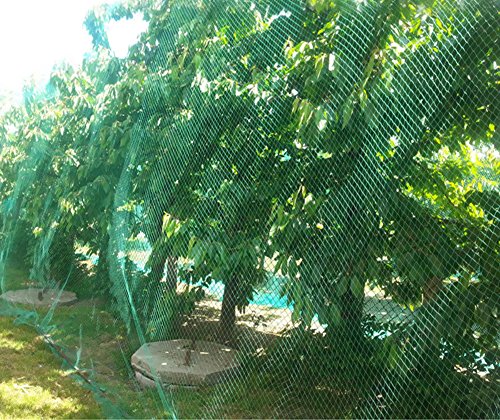
Excellent Material & Quality: Our bird netting is made of strong and durable PE with high stretch, light-weight but not tear easily; It is anti-UV and tough enough to withstand the effects of the sun and bad weather conditions, so you can use the garden netting repeatedly until the end of the season; The size of the poultry netting mesh refers to the measured length straightened from the far left to the far right

HDPE Material for Outdoor Garden Use: Made from high-density polyethylene (HDPE), RIFNY garden bird netting is designed for outdoor plant protection and repeated seasonal use. The flexible mesh is suitable for backyard gardeners, vegetable gardens, raised beds, fruit trees, blueberry bushes, flower gardens, and orchards. The black netting provides a practical barrier for protecting plants while maintaining airflow and sunlight

Extra Large Coverage: 15ft x 15ft bird netting offers full protection for large fruit trees and plants.
Use Physical Barriers
- Netting: Cover trees with bird netting to create a protective barrier. Use 1-inch mesh to prevent crows from accessing fruit while allowing sunlight and rain to reach the trees.
- Tree Guards: Install tree guards around trunks. These can deter crows while also protecting young trees from other pests.
Implement Scare Tactics
- Shiny Objects: Hang reflective tape, old CDs, or aluminum foil strips from branches. The movement and light reflection deter crows.
- Predator Decoys: Place decoys of hawks or owls near your trees. Move them regularly to maintain the illusion of a threat.
Use Noise Deterrents
- Wind Chimes: Hang wind chimes in or near your fruit trees. Select chimes that produce loud sounds to distract or scare crows.
- Electronics: Utilize motion-activated noise devices that emit sudden sounds. Choose sounds that mimic predator calls for an added effect.
Apply Non-Toxic Repellents
- Homemade Solutions: Create a mixture of water and chili pepper or garlic. Spray it on fruit and leaves; the taste and smell deter crows.
- Commercial Repellents: Look for non-toxic options formulated for bird control. Always follow the manufacturer’s instructions for safe application.
Regular Monitoring
- Observe: Watch for signs of crow activity. Check for droppings or fruit damage regularly to identify problems early.
- Adjust Strategies: Be flexible with your methods. If one tactic isn’t effective, try a different approach or combine multiple strategies for better results.
- Pruning: Keep your trees healthy through regular pruning. Well-maintained trees produce better fruit and are less appealing to crows.
- Clean-Up: Remove fallen fruit and debris promptly. This decreases food sources that attract crows to your garden.
Conclusion
Keeping crows out of your fruit trees doesn’t have to be a daunting task. With a mix of creative strategies and a bit of vigilance, you can protect your precious harvest. Remember to stay flexible and adjust your methods based on what works best for your situation.
Regularly checking for signs of crow activity will help you stay one step ahead. By maintaining your trees and keeping the area clean, you’ll make your garden less inviting to these clever birds. Enjoy the fruits of your labor without the worry of crows taking a bite out of your hard work. Happy gardening!
Frequently Asked Questions
Why are crows attracted to my fruit trees?
Crows are drawn to fruit trees because of the bright colors, sweet scents, and easy access to nesting materials. Their curiosity and intelligence lead them to these food sources, especially when ripe fruit is available.
What signs indicate a crow problem in my garden?
Common signs of crow activity include loud calls, damaged or pecked fruit, droppings under the tree, and increased sightings of crows in your area. Paying attention to these signals can help you take action before they cause serious harm.
What are the most effective ways to deter crows?
To keep crows away, combine strategies like physical barriers (bird netting), scare tactics (shiny objects, predator decoys), noise deterrents (wind chimes, electronic devices), and non-toxic repellents. Regular monitoring and adjusting your approach can enhance effectiveness.
How do crows affect my fruit yield and tree health?
Crows can significantly reduce fruit yield by eating ripe fruits, damaging unripe ones, and disturbing flowers, which impacts pollination. Their activities can lead to lower quality fruit and negatively affect the overall health of your trees.
Can I use homemade solutions to repel crows?
Yes, homemade repellents can be effective. Solutions may include mixing water with hot pepper spray or vinegar to make fruit unappealing to crows. Ensure any treatment is non-toxic and safe for your plants and beneficial wildlife.
How can I maintain tree health to deter crows?
Regularly prune your trees to promote better airflow and health, and promptly remove fallen fruit. Keeping the area clean minimizes food sources that attract crows, making your garden less appealing for them.
