

Have you ever wondered how some fruit trees produce such delicious and diverse varieties? Grafting might just be the secret behind that juicy bounty. This technique not only helps you grow different types of fruit on a single tree but also improves disease resistance and overall health.
Key Takeaways
- Grafting combines a scion from a fruit tree (providing desired fruit traits) and a rootstock (offering growth support), enabling the cultivation of multiple fruit types from a single tree.
- Key grafting techniques include cleft grafting, chip budding, and whip and tongue grafting, each suited to different tree types and conditions.
- The best times to graft are in spring for most methods and late summer for techniques like chip budding, aligning with the trees’ active growth periods.
- Grafting offers significant benefits, including increased fruit variety, enhanced disease resistance, and faster fruit production compared to traditional seed-grown trees.
- Success relies on choosing compatible scions and rootstocks, ensuring a tight fit during grafting, and providing proper post-grafting care.
Understanding Grafting
Grafting combines different plant parts to create a single tree. You attach a desirable branch from one tree, known as the scion, to a sturdy base from another tree, called the rootstock. This method encourages the growth of multiple fruit types on one tree.
Key Components of Grafting
- Scion: This is the part that provides the fruit variety. You select it based on the desired traits, such as flavor or disease resistance.
- Rootstock: This serves as the tree’s foundation. It affects the growth habits and resilience of the grafted tree.
Grafting Techniques
Several techniques exist for grafting fruit trees. Here are a few common ones:
- Cleft Grafting: You make a vertical cut in the rootstock, creating a cleft, and insert the scion.
- Chip Budding: A single bud from the scion is inserted into the rootstock. This method is useful for certain tree types, like peaches and cherries.
- Whip and Tongue Grafting: You carefully make matching cuts on both the scion and rootstock, allowing them to interlock securely.
Choosing the Right Time for Grafting
Grafting is most successful during specific times of the year:
- Spring: Ideal for most grafting methods, as trees are actively growing.
- Late Summer: Some techniques, like chip budding, work well if the tree’s sap is flowing.
Benefits of Grafting
Grafting offers several advantages:
- Variety: You can enjoy multiple types of fruit from one tree.
- Disease Resistance: Rootstocks often enhance disease and pest resistance.
- Faster Production: Grafted trees typically bear fruit sooner than trees grown from seeds.
Success Factors
For optimal results, consider these factors:
- Compatibility: Choose scion and rootstock from compatible species.
- Tight Seal: Ensure a snug fit to promote healing and growth.
- Care Post-Grafting: Protect the graft with proper wrapping and monitor for signs of growth or distress.
Grafting simplifies the process of growing diverse fruits in your garden. Whether for personal enjoyment or enhanced cultivation, understanding these basic principles forms the foundation for successful grafting.
Types of Grafting Techniques
Understanding various grafting techniques enhances your success in growing fruit trees. Each method serves specific purposes and conditions.
Recommended Products

TREE GRAFTING TOOL - Efficiently prepare scion shoots and understock for grafting with our handy garden tool. This standard manual grafting tool can be used to cut stock up to 1/2” in diameter and comes with an excellent illustrated instruction manual.

Professional Grafting Tool: This gardening grafting tool kit includes 2 in 1 grafting pruning tool and 3 replaceable blades. The 3 replaceable graft cutting blades (Ω-Cut & U-Cut & V-Cut) for cutting fruit branches with diameters from 5 mm to 12 mm. Precise and perfect cutting improves survival rate.

PROFESSIONAL GARDENING GRAFTING TOOLS: Including 2 in 1 grafting pruning tools, 3 replaceable blades, a grafting knife, a screwdriver, a wrench, 2 grafting films, 160 rubber bands, 40 wide rubber bands, and 50 colorful tag cards
Whip and Tongue Grafting
Whip and tongue grafting combines two matching pieces of wood. You slice both the scion and the rootstock to create interlocking tongue-shaped cuts. This technique allows for a strong connection and promotes healing. It works best in early spring when both parts are actively growing. Use this method for trees like apples or pears, which adapt well to this grafting type.
Cleft Grafting
Cleft grafting is ideal for larger rootstocks. You split the rootstock down the middle and insert the tapered end of a scion into the split. This method allows you to add multiple scions to one rootstock, increasing the variety of fruits produced. Perform cleft grafting in late winter or early spring when trees are dormant, making it a great choice for plums or cherries.
Bud Grafting
Bud grafting, often known as “budding,” involves inserting a single bud from a scion into the base of a rootstock. You make a small cut in the bark of the rootstock, slide in the bud, and cover it with the bark flap. This technique allows for quick propagation and is often used in commercial nurseries. Perform this method in late summer or early fall. It’s particularly effective for stone fruits like peaches or nectarines.
Experiment with these techniques to find the best fit for your fruit trees. Each method provides unique advantages, leading to a thriving garden.
The Grafting Process
Grafting trees involves several critical steps that ensure success. These steps include selecting the right rootstock, preparing the scion, and joining the two.
Recommended Products

【Silicone Grafting Cover】 Designed to help securely hold the scion and rootstock together, maintaining close cambium contact during grafting. Suitable for young fruit trees, citrus plants, and garden seedlings

Choosing the Right Rootstock
Choosing the right rootstock is essential for grafting success. Rootstocks vary in size, growth rate, and disease resistance. Opt for rootstocks that complement the scion variety. For instance, if you’re grafting apple trees, consider using M7 rootstock for its semi-dwarf characteristics or MM106 for its adaptability. Research specific rootstocks that match your climate and soil conditions. Look for rootstocks that offer desirable traits, such as compact growth or drought resistance.
Preparing the Scion
Preparing the scion involves selecting a healthy branch from the desired fruit variety. Choose a scion that is 6 to 12 inches long with several healthy buds. Cut the scion at a sharp angle to create a wedge-shaped end. This wedge fits snugly into the rootstock, facilitating a strong bond. For optimal results, harvest scions during late winter or early spring when trees are still dormant. Store scions in a cool, moist environment until ready for grafting. Wrapping in damp paper towels and placing them in a plastic bag works well.
Joining the Scion and Rootstock
Joining the scion and rootstock requires precision and care. Make a clean cut on the rootstock, shaping it to match the angle and wedge of the scion. Align the cambium layers of both parts, as this is crucial for successful grafting. Secure the graft using grafting tape or a rubber band to hold them together tightly. Ensure no gaps exist where air can enter, as this may cause the graft to fail. After grafting, coat the exposed areas with grafting wax to protect against pests and disease. Monitor the graft regularly, keeping it moist and shaded until healing occurs.
Following these steps enhances your chances of successful grafting, allowing you to enjoy diverse fruit from a single tree.
Benefits of Grafting Fruit Trees
Grafting fruit trees offers several advantages that enhance your gardening experience. Understanding these benefits can help you appreciate the value of this technique in growing healthier, more productive trees.
Recommended Products

【Surgical-Precision Grafting Tools】 Crafted with Japanese SK5 High-Carbon Steel blades (HRC 58-60 hardness) and ergonomic ABS handles, our 2-in-1 pruner delivers clean cuts up to 1/2" diameter branches. Dual-edge Ω/U/V blades prevent stem crushing, boosting grafting success rates by 40%* (*lab test data).
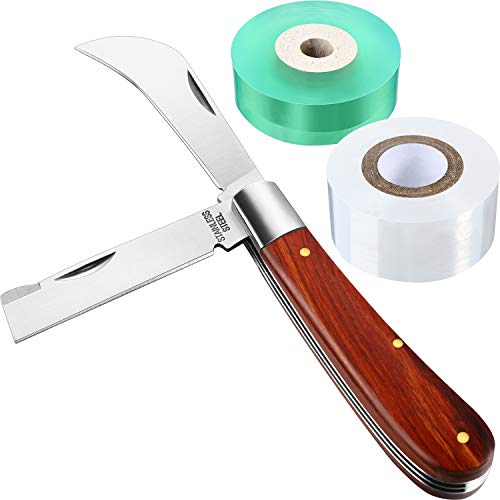
Package includes: you will get 1 double blades garden grafting knife and 2 rolls of grafting tapes in 2 sizes, ideal set for grafting budding, cutting, digging, sprouting, plants, weeding, cutting, sawing, etc.

Size - Length: 200meters / 656ft; Width: 3cm / 1.2"; Total Diameter: 8cm / 3.15"; Packaging Contents: 1 Roll Grafting Tape.
Enhanced Disease Resistance
Grafting improves disease resistance in fruit trees. By using disease-resistant rootstocks, you can help your trees fend off common pests and illnesses. For instance, the M.7 rootstock for apple trees provides strong resistance against root rot. This resilience ensures healthier trees that produce higher yields over time.
Improved Fruit Quality
Grafting enhances the quality of the fruits produced. By selecting high-quality scions from reputable varieties, you increase the chances of growing superior fruit. For example, grafting a scion of Honeycrisp apple onto a sturdy rootstock results in crisp, flavorful apples that are in high demand. The combination of desirable fruit varieties with robust rootstocks leads to better taste, texture, and firmness in your harvest.
Conclusion
Grafting fruit trees opens up a world of possibilities for your garden. You can enjoy a variety of fruits from a single tree while boosting its health and resilience. By mastering different grafting techniques and understanding the importance of rootstock and scion selection, you’ll set yourself up for success.
With a little patience and practice, you can create a thriving tree that not only produces delicious fruit but also adds beauty to your landscape. So grab your tools and get ready to experiment. Your garden’s future is full of flavor and fun!
Frequently Asked Questions
What is grafting in fruit trees?
Grafting is a horticultural technique that involves joining a desirable branch (scion) to a sturdy base (rootstock) to grow multiple fruit types on a single tree. This method allows for increased fruit variety while enhancing the tree’s health and disease resistance.
Why is grafting beneficial?
Grafting offers several advantages, including the ability to grow different types of fruits on one tree, improved disease resistance, and faster fruit production. It allows gardeners to enjoy a diverse range of fruits while promoting overall tree vigor.
What are the main grafting techniques?
The main grafting techniques include whip and tongue grafting, cleft grafting, and chip budding. Each method has its specific applications and is suited for different tree types and sizes, making them versatile tools for gardeners.
When is the best time to graft?
Spring is generally the best time for most grafting techniques, as the tree is actively growing. Late summer is suitable for methods like chip budding. Timing ensures better healing and integration of the scion and rootstock.
How do I choose the right rootstock for grafting?
Choosing the right rootstock is crucial for successful grafting. Factors to consider include size, growth rate, and disease resistance. Selecting a compatible rootstock enhances the chances of a successful graft and improves overall tree health.
What should I do after grafting?
After grafting, proper care is essential for success. This includes ensuring the graft site remains moist, monitoring for pests or diseases, and protecting the graft from extreme weather. These steps help facilitate healing and promote growth.
Can grafting improve fruit quality?
Yes, grafting can improve fruit quality. By selecting high-quality scions from reputable varieties, like grafting a Honeycrisp apple scion, gardeners can enhance flavor and yield, leading to superior fruit production from the grafted tree.
How does grafting help with disease resistance?
Grafting using disease-resistant rootstocks, like the M.7 for apple trees, helps fend off common pests and illnesses. This protective measure results in healthier, more resilient trees with increased yields and better fruit quality.
