

Are tiny pests wreaking havoc on your nectarine tree? Picture this: you step outside to admire your flourishing garden, only to find pesky aphids making themselves at home on your precious nectarine tree leaves. Don’t fret – you’re not alone in this battle.
In this article, we’ll walk you through practical and effective strategies to bid farewell to these unwanted guests and restore your nectarine tree to its former glory. By the end, you’ll have a toolkit of natural solutions and preventative measures at your disposal, ensuring a thriving, aphid-free garden for you to enjoy. Ready to reclaim your nectarine tree and protect it from these troublesome insects? Let’s dive in and get your garden back on track.
Key Takeaways
- Aphids are tiny insects that damage nectarine trees by feeding on sap, leading to distorted leaves and decreased fruit production.
- Look for small, pear-shaped aphids in various colors, sticky honeydew residue, distorted growth, black sooty mold, and ant activity to identify infestations.
- Use natural remedies like introducing beneficial insects, DIY insecticidal soap, neem oil, garlic and pepper spray, and companion planting to control aphids.
- Chemical control options like insecticidal soaps, horticultural oils, botanical insecticides, and systemic insecticides can be used as a last resort.
- Prevent aphid infestations by inspecting trees regularly, encouraging natural predators, using barriers, maintaining garden hygiene, and avoiding over-fertilizing.
Understanding Aphids on Nectarine Trees
Aphids are tiny insects that can wreak havoc on your nectarine tree if left unchecked. They feed on the sap of the tree, causing wilting leaves, stunted growth, and potential fruit loss. Understanding these pests is crucial to effectively eradicating them and safeguarding your nectarine tree’s health.
Here’s what you need to know about aphids on nectarine trees:
- Identifying Aphids: Aphids are usually small, pear-shaped insects that come in various colors like green, brown, or black. They tend to cluster on the underside of leaves and along tender shoots.
- Damage Caused by Aphids: Aphids damage nectarine trees by puncturing the plant tissues and sucking out the sap. This feeding weakens the tree, leading to distorted leaves, yellowing foliage, and decreased fruit production.
- Reproduction Rate: Aphids are known for their rapid reproduction rate. A single aphid can give birth to live young, leading to exponential population growth under favorable conditions.
- Transmission of Diseases: Aphids can transmit diseases to nectarine trees while feeding, further compromising the tree’s health. These diseases can negatively impact the overall growth and fruit quality of the tree.
- Natural Predators: Ladybugs, lacewings, and parasitic wasps are natural predators of aphids. Encouraging beneficial insects in your garden can help control the aphid population without the need for chemicals.
Understanding the behavior and lifecycle of aphids is the first step in effectively managing these pests on your nectarine tree. In the next section, we will delve into practical methods to eliminate aphids and protect your tree from further infestations.
Identifying Aphid Infestations
Recognizing aphid infestations on your nectarine tree is crucial for effective pest management. By spotting these tiny pests early, you can prevent substantial damage to your tree.
Here’s how you can identify aphid infestations on your nectarine tree:
1. Aphid Appearance
Look for small, pear-shaped insects ranging in color from green to yellow or even black. These pests are about the size of a pinhead and can be found clustered on leaves, stems, and buds.
2. Sticky Residue
Another sign of aphids is the presence of sticky honeydew on leaves and the ground beneath the tree. This sticky substance is a byproduct of aphids feeding on sap and can attract ants.
3. Distorted Growth
Aphid feeding can cause leaves to curl or distort, affecting the overall growth of your nectarine tree. Inspect the leaves for any unusual shapes or signs of damage.
4. Black Sooty Mold
The honeydew excreted by aphids can lead to the growth of black sooty mold on the leaves. If you notice a black, sooty residue on the tree, it could indicate an aphid infestation.
5. Ant Activity
Since ants are attracted to the honeydew produced by aphids, observe ant activity around your nectarine tree. Ants “farming” aphids or feeding on honeydew can be a sign of an aphid problem.
By being vigilant and knowing how to identify aphid infestations on your nectarine tree, you can take timely action to protect your tree from these destructive pests.
Natural Remedies for Aphid Control
Recommended Products
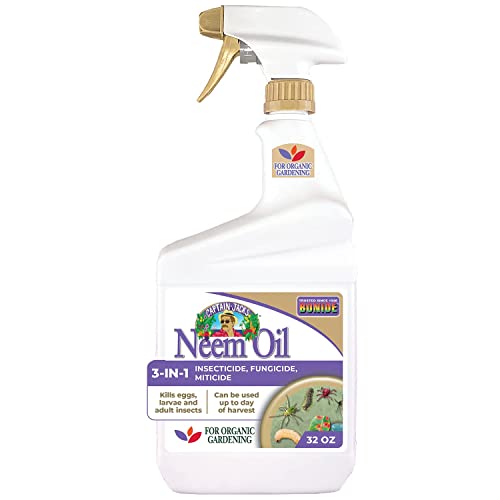
Protect your oasis with 3 garden products in 1 from Captain Jack’s; Bonide Captain Jack’s Ready-to-Use Neem Oil spray for plants is a multi-purpose fungicide, insecticide and miticide for your lawn & garden

Protect your oasis with Captain Jack’s Neem Max Ready-to-Spray solution; this multipurpose product acts as a 4-in-1 insecticide, fungicide, miticide and nematicide

FUNGAL DISEASE CONTROL: Prevents and controls black spot on roses, powdery mildew, rust, downy mildew, and other listed fungal diseases when applied on a 7–14 day schedule
Introducing Beneficial Insects
Invite ladybugs, lacewings, and parasitic wasps to your garden. These beneficial insects feast on aphids, helping to naturally keep their population in check. By attracting these allies, you create a balanced ecosystem that works in your favor.
DIY Insecticidal Soap Solution
Mix a simple solution of water and mild dish soap to create an effective spray that can be used to directly target aphids on your nectarine tree. Remember to spray both the upper and lower sides of the leaves where the aphids tend to hide. This solution suffocates the aphids, reducing their numbers without harming your tree.
Neem Oil Application
Consider using neem oil, a natural plant-derived substance with insecticidal properties. Dilute neem oil as per the instructions and apply it to affected areas of your nectarine tree. Neem oil disrupts aphids’ growth and acts as a repellent, helping to deter these pests from infesting your tree.
Garlic and Pepper Spray
Create a homemade spray by blending garlic and hot peppers with water. Strain the mixture and transfer it to a spray bottle for application. The strong scent and taste of this solution repel aphids, offering a chemical-free way to protect your nectarine tree.
Companion Planting
Utilize the power of companion planting by growing aphid-repellent herbs and flowers near your nectarine tree. Plants like chives, mint, and marigolds act as natural deterrents, reducing the likelihood of aphid infestations. Strategically placing these companions can help safeguard your tree from aphids.
Horticultural Oil Treatment
Apply horticultural oil to your nectarine tree following the manufacturer’s instructions. This oil suffocates aphids and their eggs, effectively suppressing their population. Regular application can help maintain an aphid-free environment around your tree.
Chemical Control Options
When dealing with persistent aphid infestations on your nectarine tree, you may need to consider chemical control methods as a last resort to protect your tree effectively.
- Insecticidal Soap Sprays:
Spraying insecticidal soaps on your nectarine tree can effectively eliminate aphids by suffocating them. It’s a non-toxic option that can be an ideal choice for environmentally-conscious gardeners. You can find ready-to-use insecticidal soaps at your local garden center or make your own solution at home. - Horticultural Oils:
Horticultural oils are another effective chemical control method for aphids on nectarine trees. They work by smothering and disrupting the aphids’ respiratory system. Be sure to follow the manufacturer’s instructions on application frequency and dilution ratios to prevent any damage to your tree. - Botanical Insecticides:
Some botanical insecticides derived from plants like pyrethrum can be used to target aphids. These products are considered less harmful to beneficial insects but should still be used with caution. Always read and follow the label instructions carefully when using any chemical control on your nectarine tree. - Systemic Insecticides:
Systemic insecticides are another option for controlling aphids on nectarine trees. These products are absorbed by the tree and transported to the aphids through their ingestion of sap. While effective, systemic insecticides should be used judiciously as they can impact non-target insects and other organisms in the environment.
Remember, chemical control options should be used sparingly and as a last resort after trying natural and cultural methods. Always pay attention to the safety precautions and environmental considerations when using chemical treatments in your garden.
Recommended Products

READY-TO-USE CONTACT SPRAY: No mixing required. Thoroughly spray insecticide on all plant parts, including the underside of leaves. Pests must be sprayed directly to achieve control
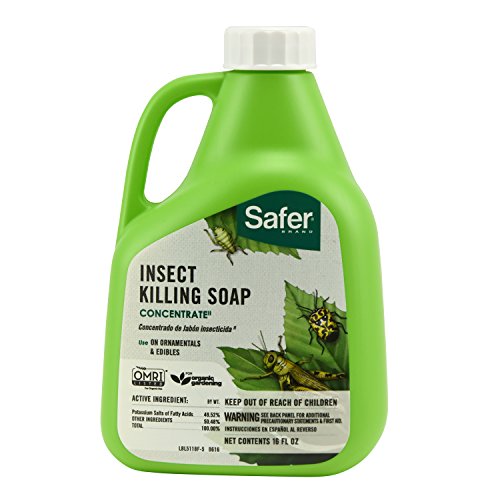
GENTLE ON MOST PLANTS - This aphid spray is ideal for use on flowers, herbs, vegetables, houseplants, lawn, tree, shrubs, and more

CROP, GARDEN & HOUSEPLANT INSECT CONTROL. Trifecta Crop Control all-natural, plant-based formula effectively combats destructive spider mites, aphids, whiteflies, fungus gnats, and other soft-bodied pests on indoor and outdoor plants. Our biodegradable, eco-friendly solution is safe for use on edible crops, without chemical residues. Our gentle yet potent plant spray suffocates and dehydrates pests without harming beneficial insects or the environment, making it ideal for organic gardening.
Preventative Measures Against Aphids
When it comes to keeping your nectarine tree safe from aphids, taking proactive steps is key. Here are some preventative measures you can implement to ward off these pesky insects:
Recommended Products
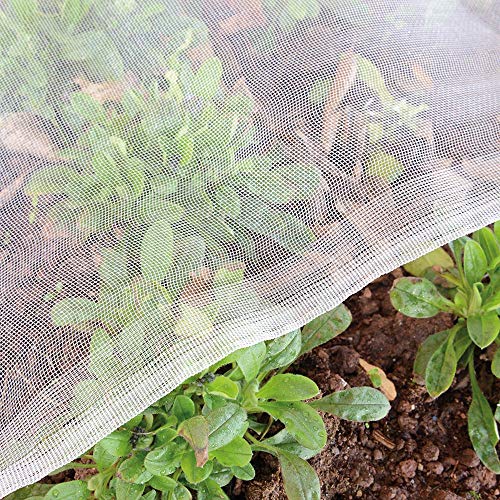
🥬Effective Bug Barrier: Protecting plants and vegetables from a wide range of pest insects and animals, such as cicadas, carrot fly and many species of aphids, you will get a healthier and happier garden

Product Specification: 1 Piece Garden Netting.Our Netting for Garden Protection Has 3 Sizes: 4Ftx10Ft, 10Ftx20Ft, 10Ftx30Ft. Ultra Fine Plant Netting Mesh Hole 0.8mm x 1mm.

Defend Against Unwanted Visitors: Gardening is a rewarding and fulfilling endeavor, and you'll watch your plants grow from nothing to maturity before you finally harvest them. Once the plants begin to flower and bear fruit, these unwelcome visitors visit your garden and often leave a trail of destruction. Garden netting is the best choice for protecting your plants
Regularly Inspect Your Tree
Inspect your nectarine tree frequently, keeping an eye out for early signs of aphid infestations such as curled leaves, sticky honeydew residue, or the presence of ants. Catching the problem early can help prevent a widespread infestation.
Encourage Natural Predators
Encourage natural predators like ladybugs and lacewings to visit your garden. These beneficial insects can help keep aphid populations in check by feeding on them. You can attract these predators by planting nectar-producing flowers nearby.
Use Barriers
Use physical barriers such as row covers or fine mesh netting to protect your tree from aphids. This method can be particularly effective in preventing aphids from reaching your nectarine tree in the first place.
Practice Good Garden Hygiene
Maintain good garden hygiene by keeping the area around your nectarine tree clean and free of weeds. Aphids are attracted to weeds, so removing them can help reduce the chances of an infestation.
Avoid Over-Fertilizing
Avoid over-fertilizing your tree, as excessive nitrogen levels can attract aphids. Opt for slow-release fertilizers and follow recommended application rates to prevent an aphid-friendly environment.
By following these preventative measures, you can proactively protect your nectarine tree from aphid infestations and ensure a healthy garden environment for your plants to thrive.
Conclusion
You now have a wealth of knowledge on combatting those pesky aphids from invading your precious nectarine trees. By understanding their behavior, identifying infestations early, and utilizing natural remedies such as beneficial insects and DIY insecticidal soaps, you’re well-equipped to protect your trees. Remember, prevention is key! Regular inspections, fostering natural predators, and maintaining good garden hygiene are essential steps in keeping aphids at bay. With these strategies in your arsenal, you can create a thriving garden environment free from aphid troubles. Happy gardening!
Frequently Asked Questions
Q: How can I identify an aphid infestation on my nectarine trees?
A: Look for clusters of small, soft-bodied insects on the undersides of leaves, distorted growth, sticky honeydew residue, and black sooty mold.
Q: What are the natural remedies for controlling aphids on nectarine trees?
A: Utilize beneficial insects like ladybugs and lacewings, create DIY insecticidal soaps, use neem oil sprays, and practice companion planting with plants that repel aphids.
Q: How can I prevent aphid infestations on my nectarine trees?
A: Regularly inspect trees for early signs of aphids, encourage natural predators like birds and ladybugs, use physical barriers like row covers, maintain garden cleanliness, and avoid excessive fertilization.
