

Growing walnut trees in pots in Los Angeles is feasible with the right techniques and care. Selecting the appropriate container, soil, and maintenance practices will ensure healthy growth and nut production.
Choosing the Ideal Pot for Walnut Growth
Selecting the right pot is crucial for successfully growing walnut trees in a container, especially in a climate like Los Angeles. The ideal pot not only supports healthy root development but also accommodates the tree’s growth over time. Understanding the specific requirements for pot size, material, and drainage will ensure your walnut tree thrives in its urban environment.
Choosing the correct container is crucial for the growth of walnut trees. A large pot with adequate drainage is essential to accommodate the tree’s root system. Ideally, the pot should be at least 20 to 30 gallons in size.
Consider these factors when selecting a container:
Material: Choose between plastic, ceramic, or wood.
Weight: Ensure it can support the tree as it matures.
Drainage: Look for pots with multiple drainage holes.
| Container Material | Pros | Cons |
|---|---|---|
| Plastic | Lightweight, affordable | Less durable |
| Ceramic | Aesthetic appeal, heavy | Can crack in frost |
| Wood | Natural insulation | May rot over time |
Recommended Products

Compact Yet Sturdy Design: Introducing our 24″ by 20.5″ rounded square rolling planter pot-a small powerhouse perfect for your patio. Despite its size, this planter boasts heavy-duty locking wheels, robust frames, and exceptional drainage holes for watering.

Grow More in Each 22" Tall Planter: Each round metal planter measures 23.98" L x 23.98" W x 22.05" H, giving you deep growing space for citrus trees, dwarf fruit trees, tomatoes, vegetables, herbs, flowers, and decorative patio plants.(Approx. 40 Gallons Each)
Ideal Soil Mix for Potted Walnuts
Growing walnut trees in pots can be a rewarding endeavor, especially in the unique climate of Los Angeles. Selecting the right soil mix is crucial for ensuring healthy growth and optimal yield. This section explores the ideal soil components that will support your potted walnut trees throughout their development.
The soil mix plays a significant role in the health of your walnut tree. A well-draining, nutrient-rich soil is essential. Look for a potting mix designed for fruit trees or create your own blend.
Key components for a suitable soil mix include:
Peat: Provides moisture retention.
Perlite: Enhances drainage.
Compost: Adds nutrients.
Mix these components in equal parts to create an ideal growing environment for your walnut tree.
Walnut Tree Watering and Fertilization Tips
Successfully growing walnut trees in pots in Los Angeles requires careful attention to watering and fertilization. The unique climate and soil conditions of the region necessitate specific strategies to ensure these trees thrive. Below are essential tips to help you maintain optimal moisture levels and nutrient balance for your potted walnut trees.
Proper watering and fertilization are vital for walnut tree growth. Overwatering can lead to root rot, while underwatering can stunt growth. Establish a consistent watering schedule based on the season.
Follow these guidelines:
Spring and Summer: Water deeply once a week.
Fall and Winter: Reduce watering frequency.
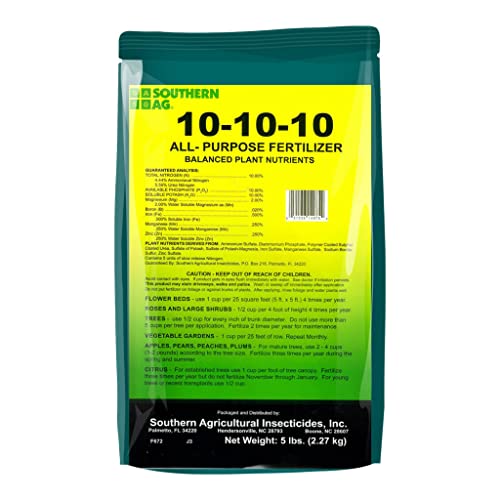
Fertilize with a balanced slow-release fertilizer in early spring. Aim for a product with an N-P-K ratio of 10-10-10 to support healthy growth.
Recommended Products

COMPREHENSIVE PLANT NUTRITION: The 10-10-10 in our liquid plant fertilizer signifies a balanced blend of Nitrogen (N), Phosphorus (P), and Potassium (K), each contributing 10% to the total composition. Nitrogen is essential for promoting lush, vibrant foliage and overall growth, while Phosphorus is integral to root development and crucial for blooming and fruiting. Potassium is responsible for overall plant health
![𝐁𝐄𝐒𝐓𝐒𝐄𝐋𝐋𝐄𝐑 10-10-10 Plant Fertilizer Slow Release | 10 10 10 All Purpose Fertilizer for Fruit Trees, Evergreens, Vegetables, Arborvitae, Fig Trees, Shrubs, Pines, Oaks, Flowers [3 Quarts]](https://m.media-amazon.com/images/I/51Xw67IcZ8L._SL500_.jpg)
🌱 ALL-PURPOSE PLANT FOOD - Balanced 10-10-10 NPK fertilizer supports strong root development, lush foliage, and vibrant blooms for vegetables, flowers, trees, shrubs, and lawns.
Walnut Tree Pruning Methods for Health
Pruning is essential for maintaining the health and productivity of walnut trees, especially when grown in pots. In Los Angeles, where space may be limited, understanding the right techniques can help ensure your trees thrive. This section explores effective pruning methods tailored to promote growth and fruiting in a container environment.
Regular pruning is essential for maintaining the shape and health of your walnut tree. Pruning encourages better air circulation and sunlight penetration.
Key pruning tips include:
Timing: Prune in late winter or early spring before new growth.
Tools: Use clean, sharp pruning shears.
Technique: Remove dead or crossing branches and shape the tree.
Pest Control Strategies for Walnut Trees
Managing pests is crucial for the health of walnut trees, especially when grown in pots in urban environments like Los Angeles. This section explores effective pest control strategies tailored for potted walnut trees, ensuring they thrive despite potential challenges. Discover practical methods to protect your trees from common pests while maintaining their vitality and productivity.
Walnut trees can be susceptible to various pests and diseases. Regular monitoring is essential to maintain tree health. Common issues include aphids, walnut husk flies, and fungal infections.
Implement these management strategies:
Inspect regularly for signs of pests.
Use organic pesticides when necessary.
Ensure good air circulation to prevent fungal growth.
| Common Pests | Symptoms | Treatment |
|---|---|---|
| Aphids | Curling leaves | Insecticidal soap |
| Walnut Husk Fly | Damaged nuts | Neem oil |
| Fungal Infections | Wilting leaves | Copper fungicide |
Recommended Products

TRIPLE PROTECTION FORMULA: 3-in-1 solution kills listed insects, controls listed diseases, and controls listed mites with one easy application

12 MONTH PROTECTION: With just one application, kills listed insects and prevents new infestations for up to a year

For sale are 2 Black Walnut trees that are approximately 10-16" tall and shipped in quart pots
Seasonal Walnut Tree Care Guidelines
Caring for walnut trees in pots requires attention to seasonal changes, especially in a climate like Los Angeles. Understanding the specific needs of these trees throughout the year will help ensure healthy growth and fruit production. This section outlines essential care guidelines tailored to each season for optimal results.
Understanding seasonal care is crucial for successful walnut tree growth. Each season presents unique challenges and requirements.
Spring: Focus on fertilization and watering.
Summer: Monitor for pests and ensure adequate moisture.
Fall: Prepare for dormancy by reducing watering.
Winter: Protect the tree from frost with mulch.
Always check local regulations regarding growing walnut trees, as some varieties may be restricted in certain areas.
Potted Walnut Harvest Timing and Techniques
Understanding the timing and techniques for harvesting potted walnut trees is crucial for successful cultivation in Los Angeles. This section delves into the optimal periods for harvest and the best practices to ensure a fruitful yield, tailored specifically for the unique climate and conditions of the region.
Harvesting walnuts requires patience and timing. Typically, walnuts are ready to harvest in late summer to early fall.
Follow these steps for successful harvesting:
Observe: Wait until the outer husk begins to split.
Collect: Gently shake the tree to dislodge nuts.
Dry: Place harvested nuts in a cool, dry area for curing.
Proper care and attention will yield a fruitful walnut tree in your Los Angeles garden.
