

Preparing your papaya tree for winter doesn't have to be complicated. With a few simple steps, you can help your tree survive the cold months and thrive next spring.
From pruning and mulching to providing enough water and protection from frost, there are key tasks to consider.
Let's explore the essential steps to ensure your papaya tree stays healthy through winter and is ready for a strong growing season ahead.
Key Takeaways
- Regular pruning is essential for regulating tree growth, removing dead or damaged branches, and promoting new growth to prevent diseases.
- Mulching around papaya trees during winter provides insulation against freezing temperatures, reduces the risk of frost damage to roots, prevents soil erosion, and helps conserve moisture.
- Proper watering is crucial for maintaining soil moisture and root health, ensuring that the soil is moist but not waterlogged.
- To protect papaya trees from frost and cold temperatures, insulate the roots with a thick layer of mulch and use breathable fabric row covers that allow air, light, and moisture to permeate.
Pruning Papaya Trees
To maintain healthy and productive papaya trees, it's important to regularly prune them. Pruning helps regulate the growth of the tree, ensuring it remains at an optimal size for easier maintenance and better fruit production. By removing dead or damaged branches, you encourage new growth and prevent the spread of diseases and infestations. Pruning also contributes to disease prevention. When pruning, make clean cuts at a slight angle just above a bud or lateral branch to promote healing and new growth. Be sure to use sharp, clean pruning tools to avoid causing unnecessary damage. Regular pruning not only keeps your papaya trees looking tidy but also plays a crucial role in maintaining their health and productivity.
Recommended Products

Heat-Treated Serrated Saw Blade: 8" saw blade designed for efficient cutting of branches and tough materials, ensuring sharpness and durability.
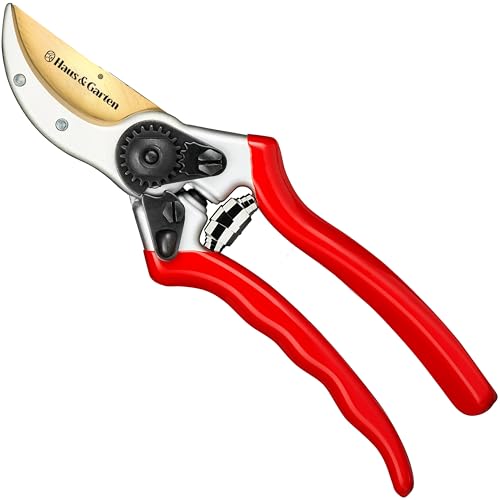
Sharp, Clean Cuts Every Time – Engineered from Japanese grade, high-carbon steel, ClassicPRO bypass pruning shears for gardening stay sharp and make precise cuts that encourage healthy growth and won’t damage your plants

2-In-1 for Versatile Tree Cutting: This 2-in-1 pole pruner with saw combines sharp pruning shears for smaller branches and a durable saw blade for thicker limbs, making it a practical tree pruning tool for various cutting needs. Designed as a manual pole saw and pruner combination, it allows you to trim twigs and branches efficiently while reaching higher tree limbs from the ground, reducing tool changes and improving overall pruning efficiency.
Mulching for Winter Protection
During the winter season, mulching around your papaya trees offers crucial protection against freezing temperatures and helps retain moisture in the soil.
Mulching benefits your papaya trees by providing insulation against extreme cold, reducing the risk of frost damage to the roots, and preventing soil erosion caused by winter rains.
A layer of mulch acts as a protective blanket, keeping the soil temperature more stable and preventing rapid fluctuations that can stress the roots.
Additionally, it helps to conserve moisture, which is essential during the winter months when the soil tends to dry out more slowly.
Recommended Products

Heat insulation and cold protection: Sacks, burlap tree films, and plant blankets have good heat insulation effects, effectively blocking cold air, providing plants with a warm and comfortable environment, and keeping plants alive in winter.

Natural Biodegradable Material: MUGVELL tree mulch ring has crafted from organic natural coconut fiber, which is environmentally friendly and biodegradable. The fibers are evenly distributed and sturdy help to retain soil moisture, ensuring your plants stay hydrated and healthy. Sustainable gardening solution with naturally regulates soil moisture while promoting healthy root development, making them an environmentally conscious choice for plant care.

3-Layer Insulation Design: Featuring a unique 3-layer structure of non-woven fabric, foam, and aluminum foil, this product offers exceptional insulation performance. This unique design effectively traps heat and prevents frost damage in cold weather.
Providing Adequate Watering
You can ensure the health and vitality of your papaya trees throughout the winter by providing them with adequate watering. Proper watering is essential for maintaining soil moisture and root health, especially during the colder months. Papaya trees have shallow root systems, which makes them sensitive to both drought and waterlogging. By monitoring and adjusting your watering routine, you can help your papaya trees thrive during winter. Here's a table to guide you in ensuring your papaya trees receive the right amount of water:
| Watering Frequency | Signs of Proper Moisture | Signs of Overwatering |
|---|---|---|
| Every 1-2 weeks | Moist, but not soggy soil | Yellowing or wilting leaves |
| Stagnant water around the base of the tree |
Protecting From Frost and Cold
How can you protect your papaya trees from frost and cold temperatures in the winter months? As the temperature drops, it's crucial to shield your papaya trees from the harsh effects of frost and cold to ensure their survival. Here are some effective methods to protect your papaya trees:
- Insulating roots: Use a thick layer of mulch around the base of the tree to insulate the roots and retain soil warmth.
- Using row covers: Cover your papaya trees with breathable fabric row covers to shield them from frost while allowing air, light, and moisture to permeate.
Recommended Products

※Big Size to cover large area : The size of our plant cover is 10x30ft, the size can cover large areas. You can cut the plant covers freeze protection into different sizes for different use. You can cover it over the plant such as shrub tomato, pepper, pumpkin, and so on.

THICKER MATERIAL: Our plant freeze protection cover is made of UV stabilized polypropylene. Upgraded thicker 0.9oz./sq.yard lightweight but durable. Soft plant covers are friendly and no harm to your plants. Breathable non-woven fabric allow light, air go through the frost cloths and reach the plants.

More Larger Sizes Rectangular Plant Covers Freeze Protection: The Garutom frost plant covers are available in three sizes (8 ft x 24 ft, 10 ft x 33 ft, 10 ft x 50 ft), you can choose the size you need most. The plant blanket can be easily cut with scissors to fit over whatever you want
Fertilizing for Winter Readiness
To ensure your papaya trees are ready for the winter months, it's essential to focus on fertilizing them for winter readiness after protecting them from frost and cold temperatures.
Winter fertilization is crucial for maintaining the health and vitality of your papaya trees during the colder months.
Before the onset of winter, it's important to assess and address the soil nutrient levels around your papaya trees. Ensure that the soil is rich in essential nutrients such as nitrogen, phosphorus, and potassium to support the trees' overall health and resilience.
Consider using a balanced, slow-release fertilizer to provide a steady supply of nutrients to the trees throughout the winter.
Conclusion
With proper care and attention, your papaya trees are now well-prepared to brave the winter months. By pruning, mulching, watering, protecting, and fertilizing, you've set the stage for healthy and strong trees that will continue to bear delicious papayas for years to come.
Happy gardening, and may your papaya trees thrive in the face of winter's chill.
