

Growing apricot trees in South Carolina requires specific attention to climate and soil conditions. Proper selection of cultivars and effective maintenance practices can lead to a fruitful harvest. Understanding these factors is essential for success.
Heat-Tolerant Apricot Cultivars for South Carolina
Selecting the right apricot cultivars is crucial for successful growth in South Carolina’s warm climate. Heat-tolerant varieties not only thrive in the region’s summer heat but also produce sweet, flavorful fruit. Understanding which cultivars are best suited for local conditions can significantly enhance your apricot harvest.
Choosing the right apricot cultivars is crucial for thriving in South Carolina’s climate. The state experiences hot summers and mild winters, making it suitable for certain varieties. Look for cultivars that are heat-tolerant and can withstand occasional cold snaps.
Consider the following cultivars for optimal growth:
Tilton: Known for its sweet flavor and good disease resistance.
Katy: Early ripening and reliable yields.
Gold Kist: Excellent for fresh eating and preserves.
| Cultivar | Ripening Time | Flavor Profile | Disease Resistance |
|---|---|---|---|
| Tilton | Mid-season | Sweet | High |
| Katy | Early season | Mildly sweet | Moderate |
| Gold Kist | Late season | Very sweet | High |
Soil Preparation for Apricot Cultivation
Preparing the soil is a crucial step in successfully growing apricot trees in South Carolina. The right soil conditions not only support healthy root development but also enhance fruit production. Understanding the specific requirements for soil preparation will help ensure robust growth and a bountiful harvest.
Soil preparation is a foundational step in growing apricot trees. The right soil conditions promote healthy root development and fruit production. Aim for well-drained soil with a pH between 6.0 and 7.0.
Follow these steps for effective soil preparation:
Test the soil for pH and nutrient levels.
Amend the soil with organic matter to improve drainage.
Till the soil to a depth of at least 12 inches.
Recommended Products

Kindly NOTE: This soil tester can not be applied to test pH value of any other liquid. If the soil is too dry the indicator will not move, and water it before testing.

Accurate Soil pH Testing: Dewildetradingco Soil pH Test Strips offer measurements of soil pH levels (pH 3.5-9). As an essential tool for every gardener and grower, these test strips help determine the optimal pH for various plants, such as outdoor plants, indoor plants, gardens, grass lawns, fruit trees, flowers, vegetables, and forest shrubs.

KNOW BEFORE YOU GROW | Grow the healthiest, sustainable lawn and garden with the most accurate and easy to use professional soil test kit on the market
Soil Enhancements for Apricot Growth
To cultivate healthy apricot trees in South Carolina, understanding soil enhancements is essential. The right soil conditions can significantly impact growth, fruit quality, and overall tree health. This section will explore effective strategies to improve soil quality, ensuring your apricot trees thrive in the region’s unique climate.
Incorporating the right soil amendments enhances nutrient availability. Organic compost and well-rotted manure can boost soil fertility. Use a balanced fertilizer during the growing season to support tree health.
Compost: Adds nutrients and improves soil structure.
Bone meal: Provides phosphorus for root development.
Potassium sulfate: Supports fruit quality.
Irrigation Strategies for Apricot Trees
Effective irrigation is crucial for the successful growth of apricot trees in South Carolina’s unique climate. Understanding the specific water needs of these trees can significantly enhance fruit quality and yield. This section explores various irrigation strategies tailored to ensure optimal moisture levels for healthy apricot production.
Proper watering is essential for the health of apricot trees. In South Carolina, the hot climate can lead to rapid moisture loss. Implementing an effective irrigation system can ensure consistent moisture levels.
Consider these watering techniques:
Drip irrigation: Delivers water directly to the roots, minimizing evaporation.
Soaker hoses: Provide slow, deep watering for established trees.
Mulching: Retains soil moisture and reduces weed competition.
Recommended Products

NO MORE HARD INSTALLATION - SET UP IN MINUTES. Tired of struggling with stiff barbed fittings? This drip irrigation system features quick-connect fittings that let you push, lock, and secure tubing effortlessly. No tools, no leaks, just a smooth setup experience. Enjoy a frustration-free installation and get your garden watering system running in minutes.
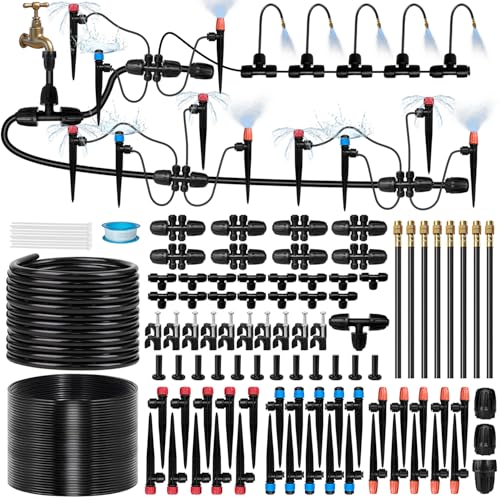
【Upgraded Tube Design & Water Saving】 Our garden watering system is upgraded to 1/2” diameter to support high water pressure. The 1/2” tee connector allows seamless splitting into 2 independent zones for customized watering schedules. By delivering moisture directly to root zones, this drip Irrigation system significantly reduces evaporation and runoff—saving more water compared to conventional sprinklers while eliminating the need for manual watering.

【Universal 1/4 Inch Size Set】- Designed for US market compatibility,MIXC new drip irrigation system set uses 1/4 inch (6mm) components to address potential mismatches with standard hoses, unlike some 5/16 inch systems. It includes 2-way connectors, tubing, and 3-way connectors to help users set up DIY garden irrigation more conveniently.
Water Stress Indicators for Apricot Trees
Understanding water stress indicators is crucial for successfully growing apricot trees in South Carolina. These signs can help you determine when your trees need irrigation, ensuring healthy growth and fruit production. By recognizing these indicators, you can better manage your watering practices and enhance the overall health of your apricot trees.
Monitoring your trees for signs of water stress is vital. Overwatering can lead to root rot, while underwatering can stunt growth.
Overwatering signs: Yellowing leaves, wilting, and root decay.
Underwatering signs: Leaf drop, stunted growth, and dry soil.
Pest Control for Apricot Trees
Effective pest control is essential for maintaining healthy apricot trees in South Carolina, where various insects and diseases can threaten their growth and fruit production. Understanding the specific pests that target these trees and implementing appropriate management strategies can help ensure a bountiful harvest. This section explores the most common threats and the best practices for safeguarding your apricot trees.
Apricot trees are susceptible to various pests and diseases. Proactive management can protect your trees and ensure a healthy harvest. Regular monitoring and timely interventions are key.
Implement these strategies:
Regular inspections: Check for signs of pests such as aphids and spider mites.
Organic pesticides: Use neem oil or insecticidal soap to control infestations.
Disease-resistant varieties: Choose cultivars that are less prone to diseases like brown rot.
Recommended Products


DAILY CLEANSING BAR – Handmade solid soap designed for everyday external cleansing during bathing and showering.
Apricot Tree Pest and Disease Management
Managing pests and diseases is crucial for the successful growth of apricot trees in South Carolina. This region’s unique climate and environmental conditions can lead to specific challenges that affect tree health and fruit yield. Understanding these threats and implementing effective management strategies will help ensure a thriving apricot harvest.
Understanding the common threats to your apricot trees can help you take preventive measures.
| Pest/Disease | Symptoms | Control Method |
|---|---|---|
| Aphids | Curling leaves | Neem oil |
| Spider mites | Fine webbing on leaves | Insecticidal soap |
| Brown rot | Rotting fruit | Remove infected fruit |
Optimal Apricot Harvest Timing for Flavor
Timing your apricot harvest is crucial for achieving the best flavor and quality in South Carolina’s unique climate. Understanding the signs of ripeness and the ideal conditions for picking can significantly enhance your yield and ensure that your fruit is at its peak. This section delves into the optimal timing for harvesting apricots to maximize their taste and texture.
Harvesting apricots at the right time is critical for flavor and quality. Apricots should be picked when they are fully colored and slightly soft to the touch.
Follow these harvesting tips:
Gently twist the fruit to detach it from the tree.
Handle carefully to avoid bruising.
Store in a cool place to maintain freshness.
Post-Harvest Apricot Care Techniques
After the harvest, proper care of apricot trees is essential to ensure their health and productivity for future seasons. Implementing effective post-harvest techniques can enhance tree resilience and fruit quality. This section outlines the best practices for maintaining apricot trees in South Carolina, focusing on soil management, pruning, and pest control.
After harvesting, proper care ensures your apricots remain delicious.
Refrigerate to extend shelf life.
Use within a week for best flavor.
Consider canning or making preserves for longer storage.
Successful Apricot Cultivation Strategies
Cultivating apricot trees in South Carolina requires a tailored approach that considers the region’s unique climate and soil conditions. By implementing specific strategies for planting, watering, and pest management, growers can enhance their chances of a fruitful harvest. This section outlines effective techniques to ensure successful apricot cultivation in the southern landscape.
Growing apricot trees in South Carolina requires attention to detail from planting to harvest. Proper cultivar selection, soil preparation, and pest management are vital for success. Monitor your trees regularly to ensure they thrive and produce quality fruit.
