

Lime trees can thrive in New Jersey with the right care and conditions. Selecting the appropriate variety and understanding local climate factors are essential for successful growth.
Selecting Ideal Lime Tree Varieties
Selecting the correct lime tree variety is crucial for success in New Jersey. The Persian lime and Key lime are popular options, each with unique characteristics. Persian limes are larger, seedless, and more tolerant of cooler temperatures. Key limes, while smaller and more aromatic, require warmer conditions and are less hardy.
| Lime Variety | Size | Cold Tolerance | Flavor Profile |
|---|---|---|---|
| Persian Lime | Large | Moderate | Mildly tart |
| Key Lime | Small | Low | Strongly tart |
New Jersey Climate Challenges for Lime Trees
New Jersey experiences a humid continental climate, which can pose challenges for lime trees. The winters can be harsh, so it’s vital to protect your trees from frost. Planting in a sheltered location or using protective coverings can help mitigate cold damage.
Lime trees prefer temperatures between 70°F and 100°F. They can withstand short periods of cold but should be monitored closely.
Frost Protection Strategies for Lime Trees
Lime trees thrive in New Jersey’s climate, but they require careful protection from frost to ensure healthy growth and fruit production. Understanding effective frost protection strategies is essential for gardeners looking to cultivate these citrus trees successfully. This section explores practical methods to safeguard lime trees against the cold, enhancing their resilience and productivity.
Frost can severely damage lime trees. Use the following strategies to protect your trees during cold snaps:
Cover with blankets: Use frost cloths or blankets to cover trees during nighttime freezes.
Plant in pots: Consider planting in pots for easy relocation indoors during winter.
Use heat sources: Small outdoor heaters or lights can provide warmth on particularly cold nights.
Ideal Soil Conditions for Lime Trees
Lime trees thrive in specific soil conditions that significantly influence their growth and fruit production. In New Jersey, understanding the ideal soil composition, pH levels, and drainage requirements is crucial for gardeners aiming to cultivate healthy lime trees. This section delves into the essential soil characteristics that support successful lime tree cultivation in the Garden State.
Lime trees thrive in well-draining, slightly acidic soil. Testing your soil pH is essential for optimal growth. The ideal pH range is between 6.0 and 7.0.
Fertilization Techniques for New Jersey Lime Trees
Fertilizing lime trees in New Jersey requires a tailored approach to ensure optimal growth and fruit production. Understanding the specific nutrient needs and timing can significantly enhance the health of these trees, allowing gardeners to enjoy a bountiful harvest. This section explores effective fertilization techniques suited for the unique climate and soil conditions of the Garden State.
Proper fertilization promotes healthy growth. Use a balanced fertilizer specifically formulated for citrus trees. Apply in early spring and again in late summer.
Recommended Fertilizers: Look for products containing nitrogen, phosphorus, and potassium in a balanced ratio.
Application Rate: Follow package instructions for application rates based on tree size.
Optimal Watering for New Jersey Lime Trees
Proper watering is crucial for the health and productivity of lime trees in New Jersey. Given the region’s unique climate and soil conditions, understanding the specific watering needs can significantly enhance growth and fruit yield. This section explores the best practices for ensuring your lime trees receive the right amount of moisture throughout the year.
Watering is a critical aspect of lime tree care. Lime trees require consistent moisture but should not be overwatered.
Recommended Products

Accurate Soil Moisture Detection: The XLUX Soil Moisture Meter can tell you if the soil deep inside your pot or garden is dry, moist or wet; whereas your eyes and fingers can only determine the moisture level of the soil surface. The probe is 5.5 inches (14 cm) longer than regular styles, allowing it to measure the soil moisture at the bottom of larger and deeper flower pots.

Trusted Since 2015: Become one of the many plant lovers who rely on the proven accuracy of XLUX. Established in 2015, our soil moisture meter has earned over 60,000+ verified ratings for its consistent performance. While many many newer brands come and go, we provide the long-term reliability and quality that American households have trusted for over a decade.
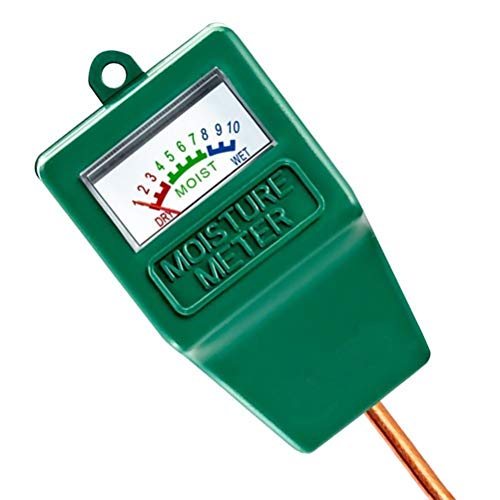
Soil Moisture Meter: This single probe soil moisture meter is specially designed for testing the moisture level in the soil, helps you decide whether the plants need water or not, helps to keep plants alive.
Seasonal Watering Schedule for Lime Trees
Understanding the seasonal watering needs of lime trees is crucial for their health and productivity in New Jersey’s unique climate. This section outlines a detailed watering schedule tailored to the varying conditions throughout the year, ensuring your lime trees receive the optimal moisture they require for robust growth and fruit production.
Create a watering schedule based on seasonal needs:
Spring and Summer: Water deeply once a week.
Fall and Winter: Reduce watering frequency as trees enter dormancy.
Overwatering Symptoms in Lime Trees
Overwatering can pose significant challenges for lime trees, particularly in New Jersey’s unique climate. Understanding the symptoms of overwatering is essential for maintaining healthy trees and ensuring fruitful yields. This section delves into the signs that indicate your lime trees may be receiving too much water, helping you take corrective action promptly.
Monitor your trees for signs of overwatering, such as yellowing leaves or root rot. Adjust your watering practices accordingly to maintain healthy trees.
Lime Tree Pest and Disease Prevention
Maintaining healthy lime trees in New Jersey requires vigilance against pests and diseases that can threaten their growth and fruit quality. Understanding common issues and implementing effective prevention strategies is essential for gardeners aiming to cultivate thriving lime trees in the Garden State. This section explores practical measures to safeguard these citrus trees from potential harm.
Pests and diseases can threaten lime tree health. Regular monitoring and proactive measures are essential for prevention.
Pests Affecting Lime Trees in New Jersey
Lime trees in New Jersey face various pest challenges that can significantly impact their health and productivity. Understanding these pests is crucial for effective management and ensuring the vitality of lime trees in the Garden State. This section explores the most common pests affecting lime trees and offers insights into their prevention and control.
Aphids: Small, soft-bodied insects that can cause leaf curl.
Spider mites: Tiny pests that create webbing on leaves.
Citrus Greening Disease Management
Citrus greening disease poses a significant threat to lime trees in New Jersey, impacting both yield and tree health. Effective management strategies are essential for growers to protect their crops and ensure a successful harvest. This section explores key approaches to combat this pervasive disease and maintain the vitality of lime orchards in the Garden State.
- Citrus greening: A bacterial disease that affects tree health. Inspect trees regularly for symptoms like yellowing leaves and stunted growth.
| Common Issue | Symptoms | Treatment |
|---|---|---|
| Aphids | Leaf curl | Insecticidal soap |
| Spider mites | Webbing | Horticultural oil |
| Citrus greening | Yellowing leaves | Remove infected trees |
Lime Harvesting Techniques for New Jersey
Harvesting limes in New Jersey requires specific techniques tailored to the region’s climate and soil conditions. Understanding the optimal timing and methods for picking can significantly impact both yield and fruit quality. This section explores effective strategies for successfully harvesting limes, ensuring gardeners maximize their crop potential in the Garden State.
Lime trees typically begin producing fruit in 3 to 4 years. Knowing when and how to harvest is essential for quality fruit.
Lime Harvesting Best Practices
Harvesting limes in New Jersey requires careful attention to timing and technique to ensure optimal flavor and yield. Understanding the best practices for picking and handling these fruits can significantly enhance your gardening success. This section outlines essential tips for harvesting limes effectively, tailored to the unique climate and conditions of the Garden State.
Timing: Harvest limes when they are firm and fully colored.
Method: Use pruning shears to avoid damaging the tree.
Optimal Lime Storage Techniques
Proper storage is essential for maintaining the quality and flavor of limes harvested in New Jersey. Understanding the best techniques to store these citrus fruits can significantly extend their freshness and usability. This section explores effective methods to ensure your limes remain vibrant and delicious for as long as possible.
Store harvested limes in a cool, dry place. They can last up to two weeks at room temperature or longer in the refrigerator.
New Jersey Lime Tree Care Strategies
Caring for lime trees in New Jersey requires an understanding of the state’s unique climate and soil conditions. This section delves into effective strategies for nurturing these citrus trees, ensuring they thrive despite seasonal challenges. From optimal watering practices to pest management, these tips will help gardeners achieve success with their lime trees.
Monitor your lime trees regularly for signs of stress. Adjust care practices based on seasonal changes and tree health. Consistent attention will yield a fruitful harvest in New Jersey’s climate.
