

Growing apple trees in South Carolina requires understanding the local climate and selecting the right varieties. Proper planting techniques and care practices are essential for a fruitful harvest.
Best Apple Varieties for South Carolina Climate
Choosing the right apple varieties is crucial for successful growth in South Carolina’s climate. The state experiences hot summers and mild winters, making it suitable for specific types of apples. Look for varieties that thrive in this environment and are resistant to common diseases.
Recommended Varieties
Fuji: Sweet and crisp, excellent for fresh eating
Gala: Early ripening and good for baking
Arkansas Black: Great for storage and cider
Honeycrisp: Popular for its flavor and texture
Optimal Site Preparation for Apple Trees
Preparing the right site is crucial for successfully growing apple trees in South Carolina. This region’s unique climate and soil conditions require careful consideration to ensure healthy growth and fruitful yields. Understanding the optimal site preparation techniques can set the foundation for a thriving apple orchard.
Preparing the planting site properly ensures healthy growth for your apple trees. A well-drained location with full sun exposure is ideal. Soil testing can help determine nutrient levels and pH balance.
Site Preparation Steps
Clear the area of debris and weeds
Test soil for pH and nutrient levels
Amend soil with organic matter if necessary
Space trees adequately to allow for growth
Recommended Products
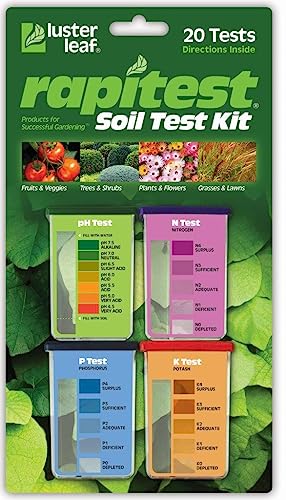
Quick, at home results for Soil pH, Nitrogen, Phosphorous and Potash Innovative and inexpensive soil test kit features an easy-to-use capsule system and patented color comparators

KNOW BEFORE YOU GROW | Grow the healthiest, sustainable lawn and garden with the most accurate and easy to use professional soil test kit on the market

Kindly NOTE: This soil tester can not be applied to test pH value of any other liquid. If the soil is too dry the indicator will not move, and water it before testing.
Apple Tree Planting Techniques for Success
Successfully planting apple trees in South Carolina requires understanding the unique climate and soil conditions of the region. By employing specific techniques tailored to local environmental factors, gardeners can enhance growth and fruit production. This section outlines effective planting methods that will set the foundation for thriving apple trees in the southern landscape.
The planting process is critical for establishing strong apple trees. Timing is important; plant in early spring or late fall when the soil is workable. Follow these steps for successful planting.
Planting Steps
Dig a hole twice the width of the root ball
Place the tree in the hole, ensuring the graft union is above soil level
Backfill with soil and water thoroughly
Apply a layer of mulch to retain moisture
Apple Tree Watering and Fertilization Techniques
Proper watering and fertilization are crucial for the successful growth of apple trees in South Carolina’s unique climate. Understanding the specific needs of these trees can enhance fruit quality and yield. This section will explore effective techniques tailored to the region, ensuring your apple trees thrive throughout the growing season.
Proper watering and fertilizing are essential for the health of your apple trees. Young trees require more frequent watering, while established trees need less. Fertilization should be based on soil test results.
Watering Guidelines
Water deeply once a week during dry spells
Monitor soil moisture to avoid overwatering
Fertilization Schedule
Apply a balanced fertilizer in early spring
Use slow-release options for sustained feeding
Common Pests and Diseases in South Carolina
In South Carolina, apple trees face various pests and diseases that can threaten their health and productivity. Understanding these common issues is crucial for maintaining robust trees and ensuring a bountiful harvest. This section explores the most prevalent pests and diseases affecting apple trees in the region, along with tips for effective management.
Managing pests and diseases is vital for maintaining healthy apple trees. Regular monitoring helps catch problems early. Familiarize yourself with common pests and diseases in South Carolina.
Common Pests
Apple Maggot: Use traps to monitor and control
Codling Moth: Apply insecticidal soap when larvae are present
Common Diseases
Apple Scab: Ensure good air circulation and remove fallen leaves
Powdery Mildew: Apply fungicides as needed
| Pest/Disease | Symptoms | Control Method | Difficulty (1-5) |
|---|---|---|---|
| Apple Maggot | Distorted fruit | Traps, insecticides | 3 |
| Codling Moth | Wormy fruit | Insecticidal soap | 4 |
| Apple Scab | Dark spots on leaves | Remove debris, fungicides | 3 |
| Powdery Mildew | White powdery coating | Fungicides | 2 |
Optimal Apple Harvesting Techniques in South Carolina
Harvesting apples in South Carolina requires understanding the optimal techniques that align with the region’s climate and apple varieties. By focusing on the right timing, tools, and methods, growers can enhance fruit quality and yield. This section explores effective strategies to ensure a successful apple harvest in the unique conditions of the South.
Harvesting at the right time ensures the best flavor and quality of your apples. Each variety has its own optimal harvest time, usually in late summer to early fall.
Harvesting Steps
Check for color and firmness
Twist gently to detach from the tree
Handle carefully to avoid bruising
Post-Harvest Apple Care Techniques
After the apple harvest in South Carolina, proper care of the trees is essential for maintaining their health and ensuring a productive next season. Implementing effective post-harvest techniques can enhance tree resilience, support future fruit quality, and promote overall growth. This section outlines key practices to follow after the harvest to keep your apple trees thriving.
After harvesting, proper care of your apples is essential for storage and use. Clean and sort your fruit to ensure quality.
Post-Harvest Steps
Wash apples to remove dirt
Sort by size and quality
Store in a cool, dark place
Always monitor for signs of spoilage during storage.
Apple Tree Seasonal Care Guidelines
Understanding the seasonal care requirements for apple trees is crucial for successful cultivation in South Carolina’s unique climate. This section outlines essential guidelines for each season, ensuring that your apple trees thrive and produce a bountiful harvest. By following these tips, you can optimize growth and fruit quality throughout the year.
Seasonal maintenance is key to the longevity of your apple trees. Regular pruning, mulching, and monitoring can enhance fruit production.
Maintenance Tasks
Prune trees in late winter to promote growth
Mulch around the base to conserve moisture
Inspect trees regularly for health issues
By following these guidelines, you can successfully grow and harvest apple trees in South Carolina.
