

Growing apple trees in San Antonio, TX requires careful planning to ensure water-wise success. The region’s heat and variable rainfall demand specific strategies to maintain healthy trees and maximize fruit production.
San Antonio Climate Impact on Apple Trees
San Antonio experiences a hot, semi-arid climate that can challenge apple tree growth. High temperatures and low humidity can stress trees, making them susceptible to pests and diseases. Understanding the local climate is crucial for selecting the right apple varieties and implementing effective care practices.
Best Apple Varieties for San Antonio Climate
When selecting apple varieties for the unique climate of San Antonio, it’s essential to consider heat tolerance and adaptability to local conditions. Certain cultivars thrive in the region’s warm temperatures and can produce abundant fruit while requiring less water. This section explores the best apple varieties suited for successful growth in San Antonio’s environment.
Choosing the right apple variety is essential for success in San Antonio. Some varieties thrive better in heat and drought conditions. Consider these options:
Anna: This variety produces sweet apples and is well-suited for warmer climates.
Dorset Golden: Known for its early harvest, this apple is also heat-tolerant.
Fuji: A popular choice, Fuji apples are sweet and crisp, thriving in warmer areas.
| Variety | Harvest Time | Flavor Profile | Heat Tolerance |
|---|---|---|---|
| Anna | Early Summer | Sweet | High |
| Dorset Golden | Early Summer | Sweet | High |
| Fuji | Late Summer | Sweet and Crisp | Moderate |
Water Conservation Techniques for Apple Trees
In San Antonio’s unique climate, implementing effective water conservation techniques is crucial for successfully growing apple trees. With limited rainfall and high temperatures, understanding how to optimize water use can lead to healthier trees and a more fruitful harvest. This section explores practical strategies to ensure your apple trees thrive while conserving precious water resources.
Effective watering techniques are critical for apple tree health in San Antonio. Implementing water-wise practices can conserve water while ensuring your trees receive adequate moisture.
Recommended Products
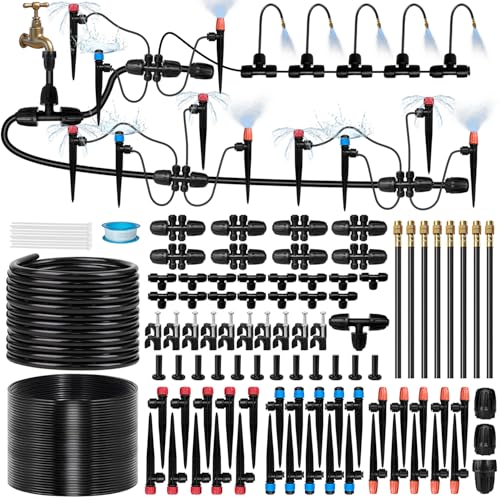
【Upgraded Tube Design & Water Saving】 Our garden watering system is upgraded to 1/2” diameter to support high water pressure. The 1/2” tee connector allows seamless splitting into 2 independent zones for customized watering schedules. By delivering moisture directly to root zones, this drip Irrigation system significantly reduces evaporation and runoff—saving more water compared to conventional sprinklers while eliminating the need for manual watering.

NO MORE HARD INSTALLATION - SET UP IN MINUTES. Tired of struggling with stiff barbed fittings? This drip irrigation system features quick-connect fittings that let you push, lock, and secure tubing effortlessly. No tools, no leaks, just a smooth setup experience. Enjoy a frustration-free installation and get your garden watering system running in minutes.
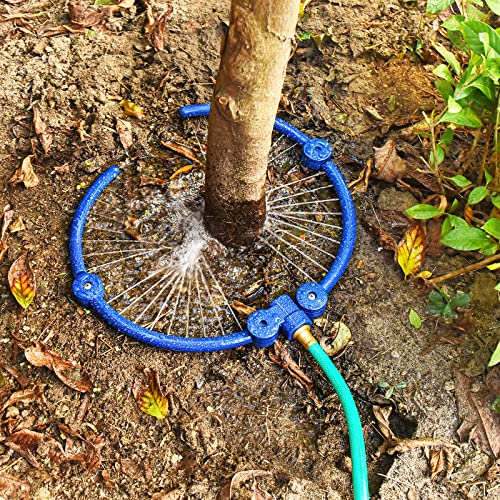
【Specially Designed for Trees and Shrubs】 The Watering Ring is a multi-purpose irrigation ring that attaches to a garden hose to efficiently water young trees shrubs vegetables or flower beds using drip or trickle irrigation.It directs water to the root perimeter of the plant to give them a good start during the first two growing seasons or through periods of drought.
Water Conservation Strategies for Apple Trees
Water conservation is crucial for successfully growing apple trees in the unique climate of San Antonio, TX. With limited rainfall and high temperatures, implementing effective strategies can ensure healthy trees while minimizing water usage. This section explores practical methods to optimize water efficiency and promote sustainable apple cultivation in the region.
Consider these methods to optimize water use:
Drip Irrigation: This system delivers water directly to the root zone, minimizing evaporation.
Mulching: Apply a 2-4 inch layer of organic mulch around the base of the tree to retain moisture.
Rainwater Harvesting: Collect rainwater from roofs to use for irrigation, reducing reliance on municipal water sources.
Irrigation Timing for Apple Trees
Understanding the optimal irrigation timing for apple trees is crucial for successful growth in San Antonio’s unique climate. With its hot summers and occasional droughts, knowing when and how much to water can make a significant difference in tree health and fruit production. This section will explore effective strategies to ensure your apple trees thrive while conserving water.
Establishing a consistent watering schedule is vital. Adjust based on rainfall and temperature:
| Season | Frequency | Amount per Tree |
|---|---|---|
| Spring | Weekly | 10-15 gallons |
| Summer | Every 3-4 days | 15-20 gallons |
| Fall | Bi-weekly | 5-10 gallons |
Pruning Techniques for Apple Tree Vitality
Pruning is essential for maintaining the health and productivity of apple trees, especially in the unique climate of San Antonio, TX. Proper techniques not only promote vigorous growth but also enhance fruit quality. Understanding the right approach to pruning can significantly impact the vitality of your apple trees, ensuring they thrive in a water-wise manner.
Regular pruning is essential for maintaining apple tree health and maximizing fruit production. Proper pruning encourages airflow, reduces disease risk, and promotes better fruit quality.
Pruning Strategies for Apple Trees
Pruning is a crucial aspect of cultivating healthy apple trees, especially in the unique climate of San Antonio, TX. Effective pruning strategies can enhance fruit production, improve air circulation, and maintain the overall shape of the trees. Understanding the best practices for pruning will help ensure a successful and productive apple harvest.
Follow these basic pruning techniques:
Remove Dead or Diseased Wood: Cut away any branches that show signs of disease or damage.
Thin Out Crowded Branches: This improves sunlight penetration and air circulation.
Shape the Tree: Aim for an open center to allow light to reach all parts of the tree.
Pest and Disease Monitoring for Apple Trees
Monitoring pests and diseases is crucial for the successful cultivation of apple trees in San Antonio’s unique climate. With the right strategies, growers can identify early signs of trouble and implement effective solutions to protect their trees. This section explores practical approaches to pest and disease management, ensuring a healthy and productive apple harvest.
Pest and disease management is crucial for apple trees. Regular monitoring helps catch issues early, ensuring healthy trees.
Pest Management for Apple Trees
Effective pest management is crucial for cultivating healthy apple trees in San Antonio’s unique climate. By understanding common pests and implementing targeted strategies, growers can protect their trees while promoting sustainable practices. This section will explore practical approaches to managing pests that threaten apple orchards in this region.
Be aware of these common pests and their management strategies:
Aphids: Use insecticidal soap to control infestations.
Codling Moths: Apply pheromone traps to disrupt mating.
Apple Scab: Implement a fungicide spray program during wet periods.
| Pest | Symptoms | Control Method |
|---|---|---|
| Aphids | Curling leaves | Insecticidal soap |
| Codling Moths | Worms in apples | Pheromone traps |
| Apple Scab | Dark spots on leaves | Fungicide sprays |
Nutrient Management for San Antonio Apples
Effective nutrient management is crucial for growing healthy apple trees in San Antonio’s unique climate. Understanding the specific soil conditions and nutrient requirements can significantly enhance fruit quality and tree vigor. This section will explore the essential nutrients and best practices for fertilizing apple trees in this region, ensuring a successful and sustainable harvest.
Proper fertilization supports healthy growth and fruit production. Understanding nutrient needs is vital for apple trees in San Antonio.
Nutrient Timing for Apple Trees
Understanding the timing of nutrient application is crucial for the successful growth of apple trees in San Antonio’s unique climate. Properly scheduling fertilization can enhance tree health, improve fruit quality, and ensure efficient water use. This section explores the best practices for nutrient timing to optimize apple tree development while conserving resources.
Follow this schedule to ensure adequate nutrients:
Early Spring: Apply a balanced fertilizer to promote growth.
Mid-Summer: Use a low-nitrogen fertilizer to support fruit development.
Fall: Apply a potassium-rich fertilizer to prepare for winter.
| Season | Fertilizer Type | Application Rate |
|---|---|---|
| Early Spring | Balanced (10-10-10) | 1 lb per tree |
| Mid-Summer | Low-Nitrogen (5-10-10) | 0.5 lb per tree |
| Fall | Potassium-Rich (0-0-20) | 1 lb per tree |
Apple Tree Care Strategies for San Antonio
Caring for apple trees in San Antonio requires a tailored approach that considers the region’s unique climate and water availability. Effective strategies focus on soil management, irrigation techniques, and pest control to ensure healthy growth and fruitful harvests. Understanding these care practices can lead to successful apple cultivation in this vibrant Texas landscape.
Growing apple trees in San Antonio can be rewarding with the right approach. Monitor your trees regularly and adjust care practices as needed.
Be proactive in managing pests and diseases.
Investing time and effort into proper care will yield a fruitful harvest.
