

Have you ever wondered how some fruit trees produce multiple varieties of fruit from a single trunk? It’s all thanks to a technique called grafting. If you’re looking to maximize your garden space or enjoy a diverse harvest, understanding grafted fruit trees can be a game changer.
Imagine planting just one tree that gives you apples, pears, and cherries. Grafted fruit trees make this possible by combining the best traits of different varieties. In this article, you’ll discover what grafting is, how it works, and the benefits it brings to your garden. Whether you’re a seasoned gardener or just starting out, this knowledge can help you make the most of your fruit tree experience.
Key Takeaways
- Definition and Structure: Grafted fruit trees consist of two parts—a rootstock for establishing roots and a scion that produces fruit, allowing for multiple fruit varieties from a single trunk.
- Benefits of Grafting: This technique enhances disease resistance, accelerates fruit production, and ensures that desirable fruit traits are maintained across generations.
- Grafting Techniques: Various methods, such as bud grafting and whip and tongue grafting, provide tailored propagation strategies that improve tree health and productivity.
- Choosing Rootstocks: Selecting the right rootstock is vital for disease resistance and adaptability to your soil and climate, impacting the overall success of grafted trees.
- Care and Maintenance: Proper care, including regular watering, mulching, and pruning, is essential for the health and yield of grafted fruit trees, especially in their early growing seasons.
Understanding Grafted Fruit Trees
Grafted fruit trees combine two different plant parts to create unique and productive trees. This technique enhances the fruit tree’s resilience and fruit variety.
Recommended Products

GRAFTED FOR RESILIENCE AND LONGEVITY: Grown on strong Volkameriana rootstock, this kumquat tree thrives in various settings while producing steady fruit harvests. Due to USDA regulations, we do not ship to freight forwarding locations, hotels, PO Boxes, Military (AFO/FPO), AZ, AL, CA, LA, HI, TX, Puerto Rico, Guam, U.S. Virgin Islands, American Samoa, and Northern Mariana Islands. A great choice for mother's day gifts, gifts for mothers day, and plant gifts for women for small-space gardeners.
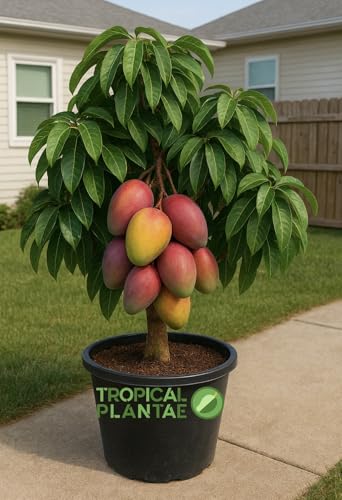
Imagine stepping into your backyard a few months from now and seeing a beautiful grafted Haden mango tree, growing stronger every day — a tree that will soon reward you with one of the most classic, flavorful mangoes ever grown.

Imagine stepping into your backyard a few months from now and seeing a beautiful tropical tree growing stronger every day—your own Pineapple Mango tree, grafted to give you consistent, premium-quality fruit. You’re not just buying a plant. You’re creating a space that brings you joy, pride, and something to look forward to every single morning.
Definition of Grafted Fruit Trees
Grafted fruit trees consist of a rootstock and a scion. The rootstock is the lower part that establishes the root system, while the scion is the upper part that produces the fruit. You can use various combinations of rootstocks and scions to achieve desired growth traits and fruit types. For example, a single tree might produce apples and pears when you graft compatible varieties.
Importance of Grafting in Fruit Trees
Grafting serves numerous important functions in fruit tree cultivation. You can enhance disease resistance by selecting robust rootstocks. Additionally, grafting accelerates the fruit-bearing process, as some grafted trees produce fruit sooner than those grown from seed. Grafting also maintains specific fruit characteristics across generations. If you want a tree that bears sweet, crisp apples, grafting ensures these qualities persist. More importantly, grafting optimizes your garden space, allowing for diverse fruit varieties from limited areas.
Types of Grafting Techniques
You can choose from several grafting techniques when propagating fruit trees. Each method has unique characteristics and advantages, allowing for tailored approaches based on specific needs.
Recommended Products

Item Package Height: 1.1 Inches

[Premium PE film material]Crafted from high-quality PE film, this material not only boasts excellent waterproof performance, effectively blocking external moisture from damaging the grafting site, but also features good flexibility and stretchability. It can naturally extend along with the plant's growth after Fit to the plant

Used for budding and grafting plants, quick healing for cambium contact, effectively increase the survival rate of seedlings;
Bud Grafting
Bud grafting involves attaching a bud from one plant (the scion) onto the rootstock of another. This technique is common for trees with bark that peels easily, such as stone fruits. It allows for quick and effective propagation of desirable varieties. To perform bud grafting, follow these steps:
- Select a healthy bud from the desired variety.
- Make a T-shaped cut in the bark of the rootstock.
- Insert the bud under the flap of bark and secure it in place.
- Wrap the graft with tape or parafilm to protect it.
This method encourages rapid growth and can significantly speed up fruit production.
Whip and Tongue Grafting
Whip and tongue grafting is a technique that provides a strong union between rootstock and scion. It’s particularly useful for young trees with similar diameters. This method creates a larger contact area, enhancing the chances of successful growth. Here’s how to do it:
- Cut both the rootstock and scion at a 45-degree angle.
- Make a second cut on each piece, creating a tongue.
- Mate the two pieces together, ensuring the tongues interlock.
- Secure the graft with tape or a grafting compound.
This method allows for optimal nutrient flow and helps maintain the vigor of the grafted tree.
By understanding these grafting techniques, you can make informed decisions for successfully propagating fruit trees.
Benefits of Grafted Fruit Trees
Grafted fruit trees offer several advantages for gardeners looking to maximize their harvest and improve their garden’s health. Here are some key benefits:
Increased Disease Resistance
Grafted fruit trees show improved resistance to various diseases. The rootstock is often chosen for its specific resistance traits, making the overall tree more robust. For example, rootstocks resistant to root rot can help prevent this common problem in the garden. By selecting the right combinations, you can minimize the impact of pests and diseases, leading to a healthier tree and better yields year after year.
Improved Fruit Quality
Grafted fruit trees frequently produce higher-quality fruit compared to non-grafted varieties. The scion, which determines fruit characteristics, is selected for its flavor, size, and texture. This results in consistent, superior fruit production. For instance, grafting a scion from an award-winning apple variety onto a vigorous rootstock can lead to abundant, flavorful apples. Your garden can benefit from enhanced flavors and larger fruit sizes with this technique.
Considerations for Planting Grafted Trees
Planting grafted trees involves specific considerations that can impact your success in growing healthy fruit trees. Understanding the choice of rootstock and maintaining the tree properly ensures a fruitful harvest.
Recommended Products

✅ Dolgo Crabapple Apple Tree, sent bare root January through April. Trees are 4-5 feet tall Grafted tree. We send to colder states beginning in late March and April. Zone Range: 3-8, Chill Hours: 400. This product cannot be sent to California, Canada, or Alaska.

Shipping Restrictions: Due to Agricultural Laws, we Cannot Ship to CA, AZ, AK, or HI - YOUR ORDER WILL BE CANCELED

Choosing the Right Rootstock
Choosing the right rootstock is crucial for your grafted tree’s health and productivity. Rootstocks determine the tree’s disease resistance, size, and adaptability to soil types. Select rootstock that suits your climate and soil conditions. For example, if you’re in a wetter area, choose a rootstock with good drainage characteristics.
Some popular rootstocks include:
- M9: Perfect for limited spaces, it produces dwarf trees.
- MM106: Ideal for compact growth, it offers moderate vigor and good disease resistance.
- G.935: Known for its strong roots, it’s a favorite among commercial growers for its high productivity.
Evaluate local conditions, consult with local nurseries, and carry out soil tests as needed to make the best choice for your grafted trees.
Care and Maintenance Requirements
Care and maintenance are key to keeping grafted trees healthy. These trees require consistent watering, especially during their first few growing seasons. Here’s a handy checklist for your care routine:
- Watering: Provide deep watering every 7-14 days during dry spells.
- Mulching: Apply organic mulch around the base to retain moisture and suppress weeds.
- Fertilizing: Use balanced fertilizers in early spring to promote vigorous growth. Follow recommended application rates.
- Pruning: Regularly prune your grafted trees to maintain shape and remove any dead or diseased wood. Prune in late winter to encourage new growth.
Monitor for pests and diseases, keeping an eye out for common issues like aphids or scale insects. Address problems early for better outcomes. By following these care tips, you’ll set your grafted trees up for a bountiful yield.
Conclusion
Grafted fruit trees offer a fantastic way to diversify your garden while maximizing space. By understanding the grafting techniques and choosing the right rootstock, you can enjoy a bountiful harvest of delicious fruits.
With the right care and maintenance, these trees can thrive and provide you with high-quality fruit for years to come. Whether you’re an experienced gardener or just starting out, grafted trees can enhance your gardening experience and bring joy to your fruit-growing journey. So go ahead and explore the world of grafted fruit trees; your garden will thank you!
Frequently Asked Questions
What is grafting in fruit trees?
Grafting is a horticultural technique that combines two different plant parts: the scion, which produces the fruit, and the rootstock, which establishes the root system. This method allows a single tree to produce multiple varieties of fruit, maximizing garden space and enabling diverse yields.
What are the benefits of grafted fruit trees?
Grafted fruit trees offer numerous benefits, including enhanced disease resistance, improved fruit quality, and accelerated fruit production. They allow gardeners to enjoy a varied harvest while ensuring healthier trees and higher yields due to the selection of desirable rootstocks and scions.
Which grafting techniques are commonly used?
Common grafting techniques include bud grafting and whip and tongue grafting. Bud grafting attaches a bud onto a rootstock, ideal for trees with peeling bark, while whip and tongue grafting creates a strong union between similar-diameter young trees, enhancing nutrient flow and vigor.
How do I choose the right rootstock for my grafted tree?
Selecting the right rootstock is crucial for the tree’s health and productivity. Factors to consider include disease resistance, size, and adaptability to soil types. Popular rootstocks include M9 for small spaces, MM106 for compact growth, and G.935 for robustness.
What care do grafted fruit trees require?
Grafted fruit trees need consistent watering, mulching, and fertilizing. Regular pruning is also important to promote healthy growth and fruit production. By following these care practices, gardeners can ensure their grafted trees thrive and produce a bountiful harvest.
