

Growing banana trees in Florida can yield delicious fruit if you choose the right tropical varieties. Selecting the best types suited for Florida’s climate ensures healthy growth and fruitful harvests throughout the year.
Florida Climate Zones for Banana Cultivation
Understanding Florida’s climate zones is essential for successful banana cultivation. The state’s diverse weather patterns and microclimates influence which tropical varieties thrive best. This section will explore the specific climate zones in Florida and their implications for growing healthy and productive banana trees.
Florida’s subtropical climate provides an ideal environment for cultivating banana trees. The warm temperatures and high humidity levels promote rapid growth. However, understanding the specific climate zones within Florida is crucial for selecting the right variety.
Zone 9: Suitable for most banana varieties.
Zone 10: Ideal for tropical varieties that need more warmth.
Zone 11: Perfect for all banana types, including the most delicate varieties.
Top Tropical Banana Varieties for Florida
Florida’s warm climate and rich soil create an ideal environment for cultivating a variety of tropical banana plants. This section highlights the top banana varieties that thrive in Florida, focusing on their unique characteristics and suitability for local growing conditions. Discover which types can bring both beauty and productivity to your garden or farm.
Choosing the right banana variety is essential for success. Different types thrive under varying conditions and have unique growth habits. Here are some popular tropical banana varieties that flourish in Florida.
Dwarf Cavendish Banana Characteristics
The Dwarf Cavendish banana is a popular choice for Florida gardeners seeking a compact yet fruitful variety. Known for its sweet flavor and robust growth, this banana plant typically reaches heights of 4 to 5 feet, making it ideal for smaller spaces. Its resilience to wind and disease further enhances its appeal in the state’s tropical climate.
The Dwarf Cavendish is a compact variety, reaching about 4-5 feet in height. It produces sweet, creamy bananas and is resistant to wind damage. This makes it a great option for home gardens and patios.
Red Dacca Banana Tree Characteristics
The Red Dacca banana tree, known for its striking appearance and robust growth, thrives in Florida’s warm climate. This tropical variety produces sweet, flavorful fruit and features distinctive reddish-purple leaves that add visual appeal to any garden. Understanding its characteristics is essential for successful cultivation and maximizing yield.
The Red Dacca banana tree grows to about 6-8 feet tall and produces reddish-purple fruit. This variety is known for its rich flavor and is often used in desserts. It thrives in warm, humid conditions.
Lady Finger Banana Characteristics and Benefits
Lady Finger bananas are a popular choice among Florida growers due to their sweet flavor and unique characteristics. This variety, known for its slender shape and creamy texture, thrives in the state’s warm climate, making it an excellent option for both home gardens and commercial production. Understanding its specific traits and advantages can help ensure a successful harvest.
The Lady Finger banana is smaller and sweeter than the Cavendish. It grows to about 6-8 feet tall and is perfect for those looking for a unique flavor. This variety is also more resistant to diseases.
| Variety | Height | Fruit Color | Flavor Profile | Disease Resistance |
|---|---|---|---|---|
| Dwarf Cavendish | 4-5 feet | Yellow | Sweet and creamy | High |
| Red Dacca | 6-8 feet | Reddish-purple | Rich and sweet | Moderate |
| Lady Finger | 6-8 feet | Yellow | Sweet and unique | High |
Soil Preparation Techniques for Banana Trees
Proper soil preparation is crucial for cultivating healthy banana trees in Florida’s unique climate. Understanding the specific soil requirements and techniques can significantly enhance growth and fruit production. This section delves into effective methods to optimize soil conditions, ensuring your banana trees thrive in their tropical environment.
Proper soil preparation is vital for healthy banana trees. The soil should be well-draining and rich in organic matter. Follow these steps to prepare your planting area.
Test the Soil: Check pH levels; ideal range is 5.5-7.0.
Amend the Soil: Add compost or well-rotted manure to enhance fertility.
Tilling: Loosen the soil to a depth of at least 12 inches for root growth.
Recommended Products

100% Natural: Custom blend for your indoor potted banana trees

KEEPS PLANTS HYDRATED - Banana Bloom’s natural fibers act like sponges, holding water at the root zone so soils stay evenly moist and thrive.

Package contains 6 pounds organic soil acidifier grains and is produced to avoid wasteful runoff, mess, hazards and smells
Watering and Nutrient Strategies for Bananas
Effective watering and nutrient strategies are crucial for the successful growth of banana trees in Florida’s tropical climate. Understanding the specific needs of these plants can lead to healthier yields and robust fruit production. This section will explore the best practices for watering and fertilizing banana trees to ensure their thriving development.
Banana trees require consistent moisture and nutrients for optimal growth. Establishing a proper watering and fertilization routine is crucial.
Watering: Water deeply once a week, increasing frequency during dry spells.
Fertilizing: Use a balanced fertilizer every 4-6 weeks during the growing season.
Overwatering Symptoms in Banana Trees
Understanding the signs of overwatering is crucial for maintaining healthy banana trees in Florida’s tropical climate. Excess moisture can lead to various issues that hinder growth and fruit production. This section will outline the key symptoms to watch for, ensuring your banana trees thrive in their ideal conditions.
Overwatering can lead to root rot. Watch for these symptoms:
Yellowing leaves
Wilting plants
Foul odor from the soil
Effective Pest Control for Florida Bananas
Managing pests is crucial for the health and productivity of banana trees in Florida’s tropical climate. Effective pest control strategies can help safeguard these plants from common threats, ensuring a bountiful harvest. Understanding the specific pests that affect banana trees and implementing targeted solutions is essential for successful cultivation.
Pests can threaten the health of banana trees. Regular monitoring and proactive measures are essential for pest control.
Common Pests: Aphids, spider mites, and nematodes.
Prevention Methods: Use neem oil or insecticidal soap to deter pests.
Natural Predators: Encourage ladybugs and lacewings to control aphid populations.
Recommended Products


Suitable for ALL Skin Types. Each Soap is 75 grams(2.65 Ounces). You will get 3 X 2.65 Ounces = 8 Ounces
Banana Harvesting Techniques for Florida
Harvesting bananas in Florida requires specific techniques to ensure optimal yield and fruit quality. Understanding the unique growth patterns and environmental conditions of tropical banana varieties is essential for successful harvesting. This section delves into effective methods tailored to Florida’s climate, helping growers maximize their banana production.
Knowing when and how to harvest bananas ensures the best flavor and quality.
Harvest Timing: Bananas are ready to harvest when they turn from green to yellow.
Cutting Technique: Use a sharp knife to cut the bunch, leaving a few inches of stem attached.
Storage: Store harvested bananas at room temperature to ripen further.
Do not refrigerate bananas until fully ripe, as this can halt ripening.
Banana Tree Problem Identification and Solutions
Growing banana trees in Florida can be rewarding, but various challenges may arise that affect their health and productivity. Understanding common problems such as pests, diseases, and environmental factors is essential for successful cultivation. This section explores these issues and offers practical solutions to help gardeners maintain thriving banana trees in the unique Florida climate.
Identifying and addressing issues early can save your banana trees. Common problems include nutrient deficiencies and pest infestations.
Nutrient Deficiencies: Yellowing leaves may indicate a lack of nitrogen.
Pest Infestations: Check for visible pests on leaves and stems.
Regular inspections and prompt action can help maintain healthy plants.
Recommended Products

2X MORE VALUE: The 16 oz bottle of Banana Plant Fertilizer makes 16 gallons of banana fertilizer for fruit trees, while the bigger size 32 oz bottle makes 32 gallons for lasting care of your banana trees.

Let our professionally formulated plant food help your fruit tree grow healthy, strong AND abundantly producing
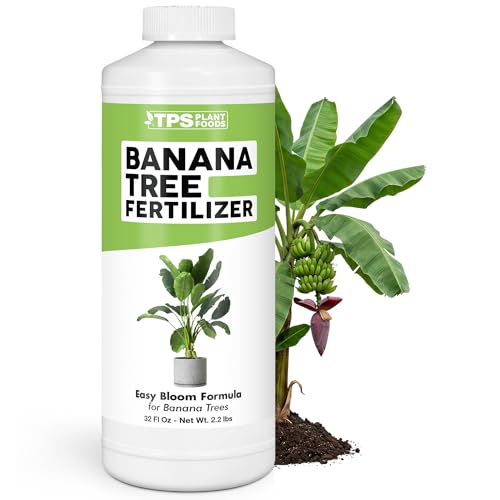
Made for Banana Trees – Specially formulated banana fertilizer designed to support the nutrient needs of banana plants.
Best Practices for Florida Banana Cultivation
Successfully cultivating banana trees in Florida requires an understanding of the unique climate and soil conditions in the region. By following best practices tailored to tropical varieties, growers can enhance their yields and ensure healthy plants. This section outlines essential techniques and tips for thriving banana cultivation in Florida’s diverse environments.
Successful cultivation of banana trees in Florida hinges on selecting the right varieties and providing proper care. With the right knowledge and attention, you can enjoy a bountiful harvest of sweet bananas year-round.
