

Have you ever wondered if your fruit trees can thrive on their own? Many gardeners face the challenge of ensuring their trees produce fruit, but the answer often lies in understanding pollination. Some fruit trees can self-pollinate, while others rely on help from bees and the wind.
Knowing whether your trees can do it alone can save you time and effort. This article will guide you through the world of fruit tree pollination, helping you identify which trees can self-pollinate and which ones need a little extra support. By the end, you’ll feel more confident in nurturing your garden and enjoying a bountiful harvest.
Key Takeaways
- Understanding Pollination: Fruit trees can either self-pollinate or require cross-pollination, which significantly impacts fruit production strategies in your garden.
- Self-Pollinating Varieties: Trees like cherry, peach, apricot, and certain plum varieties can produce fruit independently, making them low-maintenance options for gardeners.
- Cross-Pollination Requirement: Many fruit trees, such as apples and pears, need pollen from compatible varieties nearby to yield fruit, emphasizing the need for planting diverse cultivars for optimal harvest.
- Environmental Factors: Successful self-pollination is influenced by environmental conditions like temperature, humidity, and wind, all crucial for pollen viability.
- Cultivation Benefits: Self-pollinating trees not only simplify gardening efforts but also provide consistent and reliable fruit yields, making them ideal for limited spaces or novice gardeners.
- Pollinator Support: Creating a pollinator-friendly garden can enhance cross-pollination efforts and overall fruit production, benefiting trees that depend on external pollen sources.
Understanding Pollination in Fruit Trees
Pollination plays a crucial role in the fruit development process. Knowing whether your fruit trees self-pollinate or rely on cross-pollination can influence your gardening approach.
Self-Pollination vs Cross-Pollination
Self-pollinating trees contain both male and female reproductive parts within each flower, allowing them to produce fruit independently. Examples include cherry, peach, and apricot trees. These trees require less maintenance, as they don’t depend on external factors for fruit set.
Cross-pollination involves the transfer of pollen from one tree to the flowers of another. Many fruit trees benefit from this method, increasing fruit yield and quality. Apple and pear trees, for example, typically need another compatible variety nearby to produce fruit effectively.
Importance of Pollination for Fruit Development
Pollination directly affects fruit development and overall yield. Successful pollination leads to fertilization, resulting in fruit formation. Insufficient or ineffective pollination can result in poor fruit set or no fruit at all.
Utilizing pollination aids, such as attracting pollinators or planting compatible varieties nearby, enhances your harvest. Bees are vital in this process, so creating a pollinator-friendly environment in your garden supports successful fruit development. You can achieve this by incorporating diverse plants that bloom throughout the growing season.
Do Fruit Trees Self Pollinate?
Understanding whether fruit trees self-pollinate helps you make informed choices for your garden. Some trees can produce fruit on their own, while others rely on external pollen sources.
Recommended Products

Product Quantity: Five+ dwarf peach tree seeds per packet; Premium selection for optimal viability; Perfect for starting your own backyard orchard

What You Will Receive: You will receive 1 Live Olympian Fig Starter Plant, currently standing 5-9 inches tall. This vigorous, well-rooted sapling is shipped in its soil plug or grow pot (not bare root) to ensure maximum hydration and is ready to be potted up immediately upon arrival.

💜 live LSU Purple Fig 3 gallon is self-pollinating, comes with easy to use Fig food, and produces fresh Fig fruit every Year
Types of Fruit Trees That Self Pollinate
Self-pollinating fruit trees simplify gardening, as they thrive without help. Here are some examples:
- Cherry: Certain sweet and sour varieties, like Montmorency, do not require other trees for pollination.
- Peach: Most peach trees are self-pollinating, making them ideal for small gardens.
- Apricot: Apricot trees generally set fruit independently, providing a reliable harvest.
- Plum: Some plum varieties, such as Methley, can self-pollinate effectively.
These trees deliver consistent yields with less maintenance, allowing you to enjoy fresh fruit effortlessly.
Types of Fruit Trees That Require Cross-Pollination
Cross-pollination is essential for many fruit trees to produce fruit. These trees require compatible partners nearby. Examples include:
- Apple: Most apple varieties need cross-pollination. Planting different cultivars, such as Honeycrisp and Granny Smith, enhances fruit set.
- Pear: Varieties like Bartlett require pollen from another type, such as Bosc, to produce fruit.
- Sweet Cherry: While some cherries self-pollinate, many benefit from other varieties for better yields.
- Certain Plum Varieties: While some plums can self-pollinate, varieties like European plums often need additional pollinators.
For successful cross-pollination, plant trees of the same species within a specific distance, ideally 50 to 100 feet, to ensure effective pollen transfer.
By knowing which trees self-pollinate and which require cross-pollination, you can create a flourishing garden that maximizes fruit production.
Factors Affecting Self-Pollination
Self-pollination in fruit trees depends on several factors that influence whether a tree can produce fruit independently or requires additional help.
Recommended Products
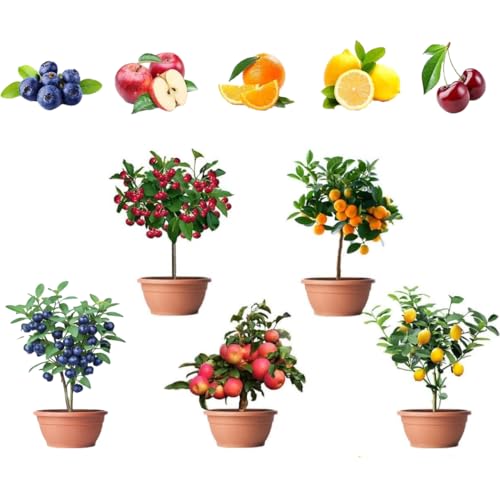
Variety Pack of 5 Fruits: Includes 40 Lemon seeds, 40 Orange seeds, 40 Apple seeds, 20 Cherry seeds, and 20 Blueberry seeds for a colorful and diverse home garden

Self-Pollinating: Self-pollinating variety that does not require another peach tree for fruit production, simplifying orchard planning

MATURE SIZE AND CARE GUIDE: Ideal for container growing, this fig variety thrives with grace. Standing at an average mature height of 12-20 feet, it offers both elegance and productivity to your garden. Embrace its self-pollinating nature for reliable harvests. Ensure well-drained soil, providing ample moisture while basking in full sun exposure within Zones 7-10a. Elevate your fig's potential with our Fig Fuel fertilizer, which has the ideal N/P/K ratio of 1:1:1.
Environmental Conditions
Environmental conditions play a crucial role in self-pollination. Ideal temperatures typically range from 60°F to 75°F during bloom time. If temperatures are too low or too high, pollination success decreases. Humidity levels also matter; moderate humidity aids pollen viability. Additionally, consistent wind can facilitate pollen transfer, increasing self-pollination rates.
Tree Variety and Genetics
Tree variety significantly impacts self-pollination capabilities. Certain species, such as some cherries and peaches, possess genetic traits that allow them to self-pollinate effectively. Others, like apples and pears, have specific pollen compatibility needs that hinder self-pollination. Understanding your tree’s variety helps you determine if it can thrive without cross-pollination or if neighbor plants are essential for a fruitful harvest.
Benefits of Self-Pollination
Self-pollinating fruit trees offer several advantages for gardeners looking to enhance their yields with minimal effort. Understanding these benefits can help you make informed decisions for your garden.
Recommended Products

Product Quantity: 180+ premium bonsai fruit seeds across 5 varieties; Individual packs contain 40+ apple, 40+ lemon, 40+ orange, 20+ blueberry, and 40+ cherry seeds; Perfect for starting a diverse miniature orchard

These plants are ready to be planted directly in the ground on arrival and should not be planted in a container. All pictures are of fully grown plants. Deciduous plants do not have leaves in the winter.

Each offer includes one plant grown in a 4 inch pot
Increased Fruit Yield
Self-pollinating trees can produce fruit without the need for additional pollinators. This means that you enjoy a more reliable harvest since these trees don’t depend on the presence of bees or wind. For example, cherry and peach trees typically set fruit even when planted alone, providing you with consistent yields each season. This reliability can lead to higher overall fruit production in your garden.
Simplicity of Cultivation
Cultivating self-pollinating trees simplifies your gardening tasks. You don’t need to worry about planting multiple varieties or ensuring they’re within close proximity for cross-pollination. This makes them ideal for smaller gardens or urban spaces where planting options may be limited. Additionally, self-pollinating trees often require less maintenance in terms of pollination management, allowing you to focus on other aspects of your garden’s health and growth.
Conclusion
Knowing whether your fruit trees self-pollinate can make a big difference in your gardening success. If you choose self-pollinating varieties you’ll enjoy a more straightforward approach with reliable yields. On the other hand if you’re planting trees that need cross-pollination it’s essential to set them up for success by ensuring compatible partners are nearby.
By understanding the unique needs of your trees you can create a thriving garden that produces delicious fruit. Whether you’re working with limited space or aiming for a bountiful harvest embracing the right pollination strategies will lead to fruitful results. Happy gardening!
Frequently Asked Questions
What is the difference between self-pollinating and cross-pollinating fruit trees?
Self-pollinating fruit trees can produce fruit on their own without needing pollen from another tree. Examples include cherry and peach trees. Cross-pollinating trees, like apple and pear trees, require pollen from a compatible partner to set fruit. It’s important to understand these differences when planning your garden.
Why is pollination important for fruit trees?
Pollination is crucial because it influences fruit development and overall yield. Successful pollination leads to the formation of fruit, while inadequate pollination can result in fewer or no fruits. Understanding pollination helps gardeners maximize their harvests and maintain healthy trees.
How can I attract pollinators to my garden?
You can attract pollinators by planting a variety of blooms throughout the growing season, creating a pollinator-friendly environment. Consider flowers that bloom at different times, providing a continual source of nectar and pollen. Minimizing pesticide use also helps protect these vital insects.
What temperature range is ideal for self-pollination?
The ideal temperature range for successful self-pollination is between 60°F to 75°F during bloom time. Moderate humidity and consistent wind also contribute to effective pollination. Maintaining these conditions can enhance fruit set in self-pollinating trees.
How far apart should cross-pollinating trees be planted?
For effective cross-pollination, plant trees of the same species within 50 to 100 feet of each other. This distance ensures that pollen can travel between trees, increasing the chances of successful fruit production. Choosing compatible varieties is essential for fruitful harvests.
What are the benefits of self-pollinating fruit trees?
Self-pollinating fruit trees offer increased fruit yield and ease of cultivation since they don’t rely on other trees for pollen. They are especially advantageous for smaller gardens because they require less maintenance and guarantee reliable harvests with consistent production.
