

Growing a loquat tree indoors might seem like a challenge, but it's actually quite doable with the right care and conditions.
Imagine having delicious loquats within arm's reach of your kitchen! If you're curious about how to make this happen, you're in the right place.
Let's explore the steps together to help you bring the sweet taste of loquats into your home.
Key Takeaways
- Loquat trees can be grown indoors with the right conditions and care.
- Choosing a suitable loquat tree variety, such as dwarf or compact cultivars, is important for indoor growth.
- Proper planting and potting techniques, including using a large container with good drainage and well-draining soil, are crucial for success.
- Regular pruning, consistent watering, and providing adequate sunlight are essential for the healthy growth and fruit production of indoor loquat trees.
Suitable Conditions for Indoor Loquat Tree Growth
Are you wondering what conditions are suitable for growing a loquat tree indoors?
Well, to thrive indoors, loquat trees require bright, indirect sunlight. A south-facing window is ideal, but you can also use grow lights to supplement.
Keep the indoor temperature between 65-85°F during the day and slightly cooler at night.
Loquats prefer well-draining soil, so a mix of potting soil and sand or perlite works well.
Aim to keep the soil consistently moist but not waterlogged.
Additionally, loquats thrive in moderate to high humidity, so consider using a humidifier or placing a tray of water near the tree to increase moisture levels.
Choosing the Right Loquat Tree Variety for Indoors
When selecting a loquat tree variety for indoor growth, consider choosing a dwarf or compact cultivar that is well-suited to container gardening. These varieties are more manageable in size and can thrive in the limited space of indoor environments. Here's a helpful table to guide you in choosing the right loquat tree variety for indoor cultivation:
| Variety | Lighting Requirements | Pollination Methods |
|---|---|---|
| Mogi | Full sun to partial shade | Self-pollinating |
| Gold Nugget | Full sun to partial shade | Self-pollinating |
| Chojuro | Full sun to partial shade | Self-pollinating |
| Container Size | Soil Composition | |
| 10-15 gallon pot | Well-draining, slightly acidic soil |
These varieties are suitable for indoor growth and have specific lighting requirements and pollination methods. Additionally, they thrive in containers with the recommended soil composition and size.
Recommended Products

4 kinds of the most popular fruits, individually packaged, 50pcs Lemon seeds 50pcs Cherry seeds 50pcs Orange seeds 50pcs Apple seeds Fresh seeds, all fruit seeds are packed in tear and moisture resistant zipper sealed bags for your long term storage.

Product Quantity: 180+ premium bonsai fruit seeds across 5 varieties; Individual packs contain 40+ apple, 40+ lemon, 40+ orange, 20+ blueberry, and 40+ cherry seeds; Perfect for starting a diverse miniature orchard

LEMON BONSAI TREE SEEDS: Citrus seeds have approx 50% germination rate and we recommend planting them immediately after receiving, or store them in a fridge until you plant them.
Planting and Potting Loquat Trees Indoors
If you've selected the right loquat tree variety for indoor growth, the next step is to ensure proper planting and potting to support its thriving in an indoor environment. Here are a few essential considerations to keep in mind:
- Indoor Lighting: Loquat trees require ample sunlight, so place them near a south-facing window to ensure they receive sufficient natural light. If natural light is limited, consider using artificial grow lights to supplement their lighting needs.
- Container Size: Choose a large container with good drainage to allow the loquat tree's roots to spread and avoid waterlogging. A 5-gallon container is suitable for young trees, while mature trees will need a 15-gallon container to thrive.
- Potting Mix: Use well-draining, slightly acidic soil to mimic the loquat tree's natural habitat and prevent waterlogging, promoting healthy growth.
Recommended Products

Designed for Large & Tall Indoor Plants:Designed specifically for large indoor plants and tall plants that need stronger and wider light coverage. Helps big plants thrive even in low-light areas like living rooms, corners, or offices.Provides full spectrum light (380nm–800nm) to support every stage of plant growth. A perfect sunlight replacement for indoor plants.

Grow Light with Base: Our grow light for indoor plants is designed with a detachable base, it has two install methods: 1, Place the pot on the base to ensure stability; 2, Just insert it into the soil; Ideal for desks, tabletops, and plant shelves
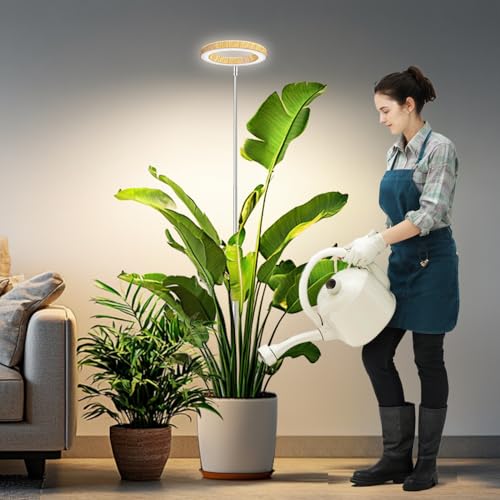
Elegant Faux Woodgrain Design: This halo grow light has a unique faux woodgrain design that complements any interior space. Compared with other plant lamps using bamboo materials, ours will not crack or fall off. Whether it’s used as a light for indoor plants or adding a stylish content to your home decor, this plant lamp is both practical and beautiful
Caring for Indoor Loquat Trees
To ensure the thriving of your indoor loquat tree, it's crucial to provide the proper care and attention it needs for healthy growth. When it comes to caring for your indoor loquat tree, pruning techniques and a consistent watering schedule are essential.
Regular pruning helps maintain the tree's shape, promotes air circulation, and encourages fruit production. Use clean, sharp pruning shears to remove dead or damaged branches, as well as any suckers that appear at the base of the tree.
As for watering, it's important to keep the soil consistently moist but not waterlogged. Allow the soil to dry slightly between waterings to prevent root rot. Overwatering can be detrimental to the tree's health.
Recommended Products

CLEAN CUTS FOR LIVE GROWTH: Bypass blade design is ideal for pruning delicate flower stems and green growth, helping reduce crushing and plant damage while cutting stems and small branches up to 5/8” in diameter

DUAL CUTTING POWER: VERSATILE PRUNING COMBO --- With both Pruning Shears and Pruning Snip, this combo delivers unmatched versatility. Whether you're delicately trimming flowers and shrubs, tackling thicker tree branches, or tending to your vegetable and fruit garden, our combo pack excels in all areas. They're also perfect for landscaping projects and maintaining the health and appearance of indoor plants. With this pack, you have a versatile tool that simplifies your gardening tasks.

LONG-LASTING SHARPNESS: Japanese SK5 bypass blade with titanium coating is tested through 5,000 cuts to maintain a sharp edge and deliver clean, consistent cuts on live stems and branches
Harvesting and Pruning Indoor Loquat Trees
Pruning your indoor loquat tree isn't only essential for maintaining its health and shape but also plays a crucial role in promoting fruit production and overall growth. Here's how to go about it:
- Timing: Prune your indoor loquat tree in late winter or early spring to stimulate new growth and maximize fruit production.
- Technique: Remove dead or diseased branches, and trim back any crossing branches to improve air circulation and light penetration. Additionally, prune to shape the tree and encourage a strong framework.
- Harvesting: When the fruits are ripe, gently twist and pull them from the tree. Avoid pulling too hard as this may damage the branches.
Indoor fruiting loquat trees can produce delicious, sweet fruit with proper care and container gardening techniques.
Conclusion
Incorporating a loquat tree into your indoor gardening can be a rewarding and fruitful endeavor. With the right care and attention, you can enjoy the beauty of the tree and its delicious fruit right in your own home.
By choosing the right variety, providing suitable conditions, and nurturing your tree, you can look forward to a bountiful harvest for years to come.
Happy gardening, and may your indoor loquat tree bring joy and abundance to your home.
