

Have you ever wondered if your indoor fig tree could bear fruit? You’re not alone. Many plant lovers dream of growing their own figs at home but aren’t sure if it’s possible with indoor plants.
Key Takeaways
- Indoor Fig Trees Can Fruit: With optimal conditions, indoor fig trees like ‘Ficus carica’ and ‘Petite Negra’ can successfully produce fruit.
- Essential Light Requirements: Aim for at least 8 hours of bright, indirect sunlight daily to promote healthy growth and fruit production.
- Consistent Watering Practices: Keep soil consistently moist but not soggy; water when the top inch of soil feels dry to prevent root rot.
- Ideal Temperature and Humidity: Maintain indoor temperatures between 60°F to 75°F and humidity levels of 40% to 60% for healthy fruit development.
- Fertilization Schedule: Apply a balanced fertilizer monthly during the growing season to support growth and fruiting.
- Patience and Care: Indoor fig trees may take 1 to 2 years to bear fruit, requiring consistent care and right techniques such as pruning and pollination.
Do Indoor Fig Trees Fruit?
Yes, indoor fig trees can fruit, but several factors influence their ability to do so. If you provide optimal conditions, your fig tree is more likely to produce figs.
Factors Influencing Fruit Production
- Variety Selection
Certain fig varieties thrive indoors. Consider choosing ‘Ficus carica’ or ‘Petite Negra’. These are more suitable for container growth and indoor conditions. - Light Requirements
Fig trees need ample light to produce fruit. Aim for at least 8 hours of bright, indirect sunlight. Placing your tree near a south-facing window often ensures adequate light. - Watering Practices
Maintain consistent moisture in the soil. Water your fig tree when the top inch of soil feels dry. Overwatering leads to root rot, while underwatering can hinder fruit set. - Temperature Control
Ideal temperatures range from 60°F to 75°F (16°C to 24°C). Protect your fig tree from temperature extremes, as this can affect flowering and fruit development. - Fertilization Schedule
Use a balanced fertilizer monthly during the growing season. A 10-10-10 or similar formula often provides the nutrients necessary for healthy growth and fruiting.
Typical Fruiting Timeline
Indoor fig trees often take 1 to 2 years before they produce fruit. Once mature, trees usually bear fruit in late summer or early fall. Patience and consistent care are key.
Encouraging Fruiting
To encourage fruiting, consider these steps:
- Pruning: Prune your fig tree after harvest. This encourages new growth and can lead to more fruit in the following season.
- Pollination: Some fig varieties require pollination to set fruit. Ensure you have suitable plants nearby or gently shake branches to aid the process.
Types of Indoor Fig Trees
Indoor fig trees come in various types, each offering unique characteristics. Selecting the right variety enhances your chances of growing fruitful plants indoors.
Recommended Products
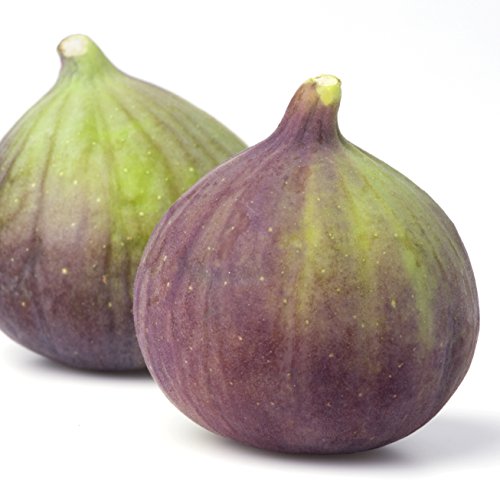
MATURE SIZE AND CARE GUIDE: The Wellspring Gardens Olympian Fig Tree matures to a majestic 4-8 feet, thriving in full sunlight (USDA Zones 6-10). Requires well-drained soil and regular moisture during fruiting.

All Purpose Mix; Nutrient Enrichment & Drainage Control for Fiddle Leaf Fig Trees & All Other Indoor Houseplants
![Greenwood Nursery: Live Trees - Fignomenal Dwarf Fig Tree + Ficus carica - [Qty: 2X 3.5 Pots] - (Click for Other Available Plants/Quantities)](https://m.media-amazon.com/images/I/41C7KMkYq+L._SL500_.jpg)
🌿 [INFO1] - Finally a compact dwarf fig that is perfect for growing in a container outdoors during summer & can be moved indoors for cooler seasons. Growing only up to 30 inches tall (& equal in spread), the dwarf compact Fignomenal fig tree is a self-fertilizer, & can flower & fig throughout the year - indoors or out you can harvest your figs. The deliciously sweet fruit makes up for the smaller size.
Common Varieties
- Ficus Carica: Known as the common fig, this variety thrives indoors. It produces large, sweet figs and requires ample sunlight and regular watering.
- Petite Negra: A great choice for smaller spaces, this dwarf variety bears delicious dark figs. It suits container growth and thrives with proper care.
- Ficus Benjamina: Often called weeping fig, it features attractive foliage. While it can produce figs, its fruit is more ornamental than edible.
- Ficus Elastica: Also known as rubber plant, it’s primarily grown for its striking leaves. This fig type isn’t typically grown for fruit, focusing on decorative appeal.
- Lighting: Ensure your fig tree gets at least 8 hours of bright, indirect sunlight daily. South-facing windows work best.
- Temperature: Maintain indoor temperatures between 60°F to 75°F. Avoid drafts and sudden temperature changes.
- Soil: Use well-draining potting soil to prevent root rot. A mixture that retains moisture but drains excess water is ideal.
- Watering: Keep the soil consistently moist but not soggy. Water when the top inch feels dry, and reduce watering in winter.
- Fertilization: Apply a balanced fertilizer every month during the growing season. This supports healthy growth and fruit production.
- Humidity: Higher humidity can benefit your fig tree. Mist the leaves regularly or use a humidifier in dry environments.
By focusing on these factors, you enhance your indoor fig tree’s chances of producing fruit successfully.
Factors Affecting Fruiting
Several factors influence your indoor fig tree’s ability to produce fruit. Understanding these can enhance your success in growing figs indoors.
Recommended Products

NOTE: The product stand needs to be pressed down by the flower pot to be stable. Not wireless style. 2 Installation Methods: Specially designed plant light for indoor plants, which can be inserted in the soil or stand for lighting.Unique and easy to assemble and disassemble.

Designed for Large & Tall Indoor Plants:Designed specifically for large indoor plants and tall plants that need stronger and wider light coverage. Helps big plants thrive even in low-light areas like living rooms, corners, or offices.Provides full spectrum light (380nm–800nm) to support every stage of plant growth. A perfect sunlight replacement for indoor plants.

2-in-1 Base & Stake Design: Whether you prefer the stability of a solid base or the convenience of staking the light directly into the soil, this plant grow light offers both options. It's perfect for a variety of setups, allowing you to easily place it on desks, countertops, or floors to suit different spaces and plant needs.Warm Tip: When using the base, please place the plant pot on the base to keep the light stable and securely positioned.
Light Requirements
Adequate light plays a crucial role in fruit production. Indoor fig trees need at least 8 hours of bright, indirect sunlight daily. Placing your tree near a south or west-facing window maximizes light exposure. If natural light is limited, consider using grow lights. Positioning the lights 12 to 18 inches above the tree for about 12 to 16 hours each day promotes healthy growth.
Temperature and Humidity
Temperature and humidity levels significantly affect fruiting. Ideal temperatures range from 60°F to 75°F. Consistent warmth helps trees thrive. Avoid placing your fig tree near drafts, heaters, or air conditioners, as temperature fluctuations stress the plant. Additionally, humidity levels around 40% to 60% suit fig trees. If the air is too dry, using a humidifier or a pebble tray with water near the tree increases moisture.
Pruning Techniques
Pruning your fig tree encourages healthy growth and improves fruiting potential. Regularly trimming back excess growth helps to redirect the tree’s energy into fruit production. Aim to prune after harvesting, removing dead or damaged branches and shaping the tree. Focus on cutting back about one-third of the previous year’s growth. This supports air circulation and sunlight penetration, vital for fruitful development.
Care Tips for Fruit Production
To encourage fruit production in indoor fig trees, pay attention to specific care techniques. Proper watering and fertilization play significant roles in the health and productivity of your tree.
Watering Guidelines
Water your indoor fig tree consistently, allowing the top inch of soil to dry out before the next watering. Ensure the pot has drainage holes to prevent waterlogging, which can lead to root rot. During the growing season (spring and summer), water more frequently, about once a week. In the dormant period (fall and winter), reduce watering to every two weeks. Monitor your tree’s leaves; yellowing may indicate overwatering while drooping signals underwatering.
Fertilization Recommendations
Fertilize your fig tree once a month during the growing season. Use a balanced fertilizer with equal parts nitrogen, phosphorus, and potassium, such as a 10-10-10 formula. Follow the package instructions for dilution and application rates. In the fall, switch to a low-nitrogen fertilizer to support fruit development. Avoid fertilizing during the winter dormant period to prevent unnecessary growth.
Conclusion
Growing an indoor fig tree can be a rewarding experience that brings both beauty and the promise of delicious fruit. With the right care and attention to detail you can create an environment that encourages your tree to thrive and bear fruit. Patience is key as it may take a couple of years for your tree to start producing.
By focusing on proper lighting temperature and humidity you’ll set the stage for success. Remember to prune your tree and keep up with your watering and fertilization routines. With a little love and dedication your indoor fig tree could soon reward you with sweet figs to enjoy right at home. Happy gardening!
Frequently Asked Questions
Can indoor fig trees produce fruit?
Yes, indoor fig trees can produce fruit, particularly varieties like ‘Ficus carica’ and ‘Petite Negra.’ However, fruiting depends on various factors, including light, temperature, and care routines.
What light conditions do indoor fig trees need?
Indoor fig trees require at least 8 hours of bright, indirect sunlight daily. If natural light is insufficient, consider using grow lights to ensure optimal growth and fruit production.
How often should I water my indoor fig tree?
Water your indoor fig tree consistently, allowing the top inch of soil to dry out before the next watering. During the growing season, weekly watering is ideal, while in the dormant period, watering should be reduced to every two weeks.
What temperature is best for indoor fig trees?
The ideal temperature for indoor fig trees ranges from 60°F to 75°F. Maintaining this temperature range is crucial for healthy growth and fruit production.
Do I need to fertilize my indoor fig tree?
Yes, fertilization is important. Use a balanced fertilizer once a month during the growing season, and switch to a low-nitrogen formula in the fall to support fruit development.
When will my indoor fig tree bear fruit?
Indoor fig trees typically take 1 to 2 years to bear fruit, usually producing in late summer or early fall. Patience and consistent care are key to encouraging fruiting.
What are some common varieties of indoor fig trees?
Common indoor fig tree varieties include ‘Ficus carica’ (produces large, sweet figs), ‘Petite Negra’ (dwarf variety), ‘Ficus Benjamina’ (ornamental foliage), and ‘Ficus Elastica’ (decorative leaves).
How can I encourage fruit production in my indoor fig tree?
To encourage fruit production, ensure adequate light, maintain the right temperature and humidity levels, and follow proper watering and fertilization techniques. Pruning after harvest can also help direct energy into fruiting.
