

Wondering when to prune your fruit trees for the best results? You’re not alone. Many gardeners face the challenge of timing their pruning just right to ensure a bountiful harvest. Pruning at the wrong time can lead to poor growth and fewer fruits, which can be frustrating after all your hard work.
Key Takeaways
- Timing Matters: Prune fruit trees during their dormant season, typically late winter to early spring, to reduce stress and promote healthy growth.
- Tree-Specific Guidelines: Different fruit trees have unique pruning needs, such as apple trees in late winter and citrus trees after harvest.
- Pruning Benefits: Regular pruning enhances tree health, improves air circulation, increases sunlight exposure, and results in better fruit quality and yield.
- Proper Techniques: Utilize the right tools and techniques, like making clean cuts and removing dead wood, to support vigorous growth and prevent disease spread.
- Regular Maintenance: Avoid pruning more than one-third of the canopy at once to prevent weakening the tree and ensure sustained productivity.
- Aesthetic and Practical Advantages: Pruned trees are not only healthier and more productive but also enhance the visual appeal of your garden space.
Importance Of Pruning Fruit Trees
Pruning fruit trees plays a crucial role in their health and productivity. Regular pruning promotes stronger growth, improves air circulation, and ensures more sunlight reaches the fruit-bearing branches.
Benefits Of Pruning
- Enhanced Growth: Pruning encourages new growth and helps maintain the overall shape of the tree. You’ll notice improved branch strength and stability.
- Pest and Disease Control: By removing dead or diseased branches, you prevent pests and diseases from spreading. It’s a proactive measure for tree health.
- Increased Light Exposure: Pruning opens up the canopy, allowing sunlight to reach more branches. This increases photosynthesis and contributes to better fruit development.
- Easier Harvesting: A well-pruned tree makes harvesting simpler and safer. You’ll spend less time reaching into dense foliage.
- Aesthetic Appeal: Pruned trees look more attractive, enhancing the beauty of your garden space. This can also increase property value.
- Improved Fruit Quality: Trees that receive regular pruning produce larger, healthier fruit. Enhanced airflow and light penetration directly impact fruit quality.
- Higher Yield: Pruned trees often yield a greater amount of fruit. This occurs because energy focuses on fewer, stronger branches instead of spreading thin.
- Consistent Production: Pruning promotes even fruit production over the years. You’ll minimize the fluctuations between bumper crops and lean years.
- Fruit Size Optimization: Proper pruning techniques lead to consistently sized fruit. This uniformity can be vital for market sales if you’re selling your produce.
- Reduced Risk of Broken Branches: Regularly pruning minimizes the weight on branches, reducing the risk of breakage under heavy fruit load.
By understanding the significance of pruning and its benefits, you can ensure your fruit trees thrive and produce bountiful harvests.
What Time Of Year To Prune Fruit Trees
Pruning fruit trees at the right time maximizes their health and productivity. Timing can profoundly influence growth and fruit yield.
Recommended Products

✂Multifunctional -2 in 1 Garden Grafting Tools-Professional grafting set allows you to pruning and grafting at the same time, saving more time and effort than traditional grafting methods, easy to use and more efficient. It allows you to trim away excess leaves and twigs and prepare the plants to be grafted. At the same time, you can make a precise cut into the grafting stock with the special grafting blade.

PROFESSIONAL GARDENING GRAFTING TOOLS: Including 2 in 1 grafting pruning tools, 3 replaceable blades, a grafting knife, a screwdriver, a wrench, 2 grafting films, 160 rubber bands, 40 wide rubber bands, and 50 colorful tag cards

★ 1. What you get: Professional convenient grafting tool set including a dual-use grafting pruner tool contain 2 extra replaceable blades, a wrench and a screwdriver, along with 36pcs wide rubber bands, 150 thick rubber bands and 1 grafting tape, packed in a black wallet to meet all your needs
General Guidelines
Prune during the tree’s dormant season, typically in late winter or early spring. This timing reduces stress on the tree. For most areas, aim for late February to early March before new growth starts. Monitor your local climate, as conditions vary.
Use clean, sharp tools for cuts. Avoid pruning too much; a third of the tree’s total canopy is a good rule of thumb. If removing larger branches, angle your cuts to prevent water accumulation. Allow the tree to heal properly for optimal recovery.
Seasonal Considerations
Different trees may require specific pruning times. For example:
- Apple Trees: Prune in late winter or early spring before buds swell. This timing encourages better fruit quality.
- Peach Trees: Prune in late winter to early spring after the threat of hard frost. This maintains structure and promotes healthy blooms.
- Citrus Trees: Prune after harvesting, usually in late spring or early summer. This prevents shock during fruiting cycles.
Always adjust your timeline based on your local climate and tree variety. Check for climate-specific guidelines to ensure you meet the unique needs of your trees.
Types Of Fruit Trees
Understanding the types of fruit trees aids in determining the best pruning time. Each variety has unique characteristics that influence pruning needs.
Recommended Products

CLEAN CUTS FOR LIVE GROWTH: Bypass blade design is ideal for pruning delicate flower stems and green growth, helping reduce crushing and plant damage while cutting stems and small branches up to 5/8” in diameter
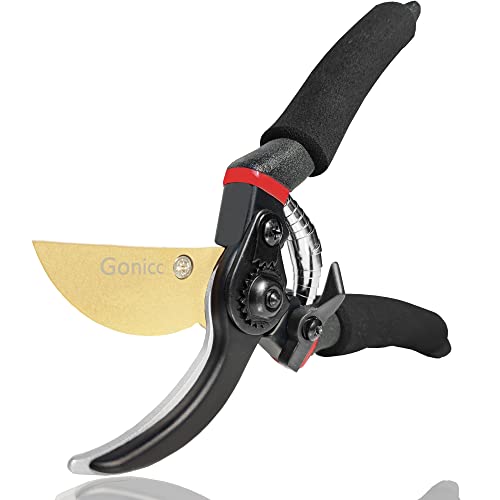
Drop-forged construction delivers exceptional durability and sturdiness for long-term heavy garden use.

LONG-LASTING SHARPNESS: Japanese SK5 bypass blade with titanium coating is tested through 5,000 cuts to maintain a sharp edge and deliver clean, consistent cuts on live stems and branches
Deciduous Fruit Trees
Deciduous fruit trees shed leaves annually and generally require pruning in late winter or early spring, while they’re still dormant. Examples include apple, pear, and cherry trees. Pruning during dormancy encourages vigorous growth when the growing season begins.
- Apple Trees: Prune before buds swell to ensure vigorous growth and fruit production.
- Peach Trees: Prune after the last frost to prevent damage and improve yield.
- Cherry Trees: Prune after flowering for optimal fruit development.
Evergreen Fruit Trees
Evergreen fruit trees retain their leaves year-round, often requiring different pruning approaches. Common examples include citrus trees and fig trees. These trees thrive with light pruning throughout the year, mainly conducted after harvest.
- Citrus Trees: Prune after harvesting to maintain shape and enhance sunlight exposure.
- Fig Trees: Prune lightly in late winter for better air circulation and fruit quality.
By recognizing the types of fruit trees in your garden and their specific pruning needs, you can effectively enhance their health and productivity.
Techniques For Pruning Fruit Trees
Pruning fruit trees involves specific techniques to ensure proper growth and fruitful yields. Understanding the right tools and best practices makes this process easier and more effective.
Recommended Products

COMFORTABLE AND STURDY: The tree climbing spikes are forged from No. 45 steel. This kind of carbon steel is hard and strong, not prone to deform, and more long lasting than stainless steel. The incisive double teeth can easily pierce into trees, allowing you to stand or step on them more safely. Wider pedals can help you stand more comfortably on spiked shoes

High-Strength Alloy Structural Steel: Constructed with high-strength alloy structural steel, these tree climbing spikes support up to 350 lbs for secure climbing. ASTM-F887 certified, they are corrosion-resistant, high-strength, and maintain their shape over time. Ideal for outdoor adventures and tree maintenance, they provide stable support for safer and more efficient climbing.

High-quality materials: Our tree climbing gear is made of high-quality hard carbon steel material, which has high hardness and strong penetration, has anti-rust and wear-resistant properties, and can withstand a weight of 220 pounds (about 100 kg), making it suitable for long-term outdoor use. The claws are sharp and hard, ensuring safe and efficient penetration into the trunk.
Tools Needed
- Bypass Pruners: Ideal for making clean cuts on branches up to ¾ inch thick. They’re best for precise pruning.
- Loppers: Use loppers for branches thicker than ¾ inch. They provide leverage for larger cuts.
- Pruning Saw: Required for branches thicker than 1 inch. A good pruning saw will smoothly remove larger limbs.
- Safety Gear: Wear gloves and goggles to protect yourself while pruning. Safety should always come first.
- Cleaning Supplies: Keep rubbing alcohol or bleach handy to disinfect tools. Disinfecting prevents disease spread between trees.
- Prune in the Right Season: Dormant season is best for deciduous trees. This timing minimizes stress and promotes healthy growth.
- Make Clean Cuts: Cut just above a bud or lateral branch. Clean cuts heal faster and reduce the risk of infection.
- Remove Dead or Diseased Wood: Always start by removing branches that are dead or diseased. This encourages healthy growth throughout the tree.
- Thin Out Crowded Areas: Trim away branches that crisscross or crowd each other. This increases airflow and sunlight to remaining branches.
- Shape the Tree: Maintain a balanced structure by shaping the tree. Aim for a central leader with lateral branches spaced evenly.
- Limit Overall Canopy Removal: Never prune more than one-third of the tree’s canopy in a single session. Over-pruning can weaken the tree.
Implementing these tools and following best practices helps you achieve optimal results in fruit tree pruning. By properly pruning your trees, you enhance their health and boost fruit production effectively.
Conclusion
Pruning your fruit trees at the right time can make all the difference in their health and productivity. By understanding the specific needs of your trees and following the recommended pruning schedules, you’re setting yourself up for a bountiful harvest. Remember to use clean tools and be mindful of how much you prune to keep your trees thriving.
With a little care and attention, you’ll enjoy not just beautiful trees but also delicious fruits for years to come. Happy pruning and may your garden flourish!
Frequently Asked Questions
When is the best time to prune fruit trees?
Pruning fruit trees is best done during their dormant season, typically in late winter or early spring, before new growth starts. This helps minimize stress on the trees and promotes healthier growth.
Why is pruning important for fruit trees?
Pruning is crucial for the health and productivity of fruit trees. It enhances growth, improves air circulation, ensures sunlight reaches branches, and prevents pests and diseases, ultimately leading to larger, healthier fruit yield.
How much of the tree should I prune at once?
It’s recommended to prune no more than one-third of the tree’s total canopy at a time. This approach reduces stress and helps maintain the overall health of the fruit tree.
What tools are best for pruning fruit trees?
The best tools for pruning fruit trees include bypass pruners, loppers, and pruning saws. Ensure tools are sharp and clean for making precise cuts, and wear safety gear to protect yourself during the process.
Are there different pruning techniques for deciduous and evergreen trees?
Yes, deciduous trees, like apple and pear, should be pruned during their dormant season, while evergreen trees, such as citrus, can benefit from light pruning year-round, especially after harvest. Each type has its specific needs.
What are the benefits of regular pruning?
Regular pruning promotes stronger growth, increases light exposure, improves air circulation, and controls pests and diseases. It also enhances the aesthetic appeal of the tree and facilitates easier harvesting of the fruit.
