

Have you ever strolled through a park and spotted a crabapple tree, wondering if those little fruits are edible? You’re not alone. Many people admire these charming trees for their stunning blossoms but aren’t quite sure what to make of their fruit.
Key Takeaways
- Crabapple Trees Overview: Belonging to the Malus genus, crabapple trees are admired for their beautiful blossoms and can vary in height and fruit characteristics.
- Fruit Characteristics: Crabapples range from 1 to 3 inches in diameter, come in various colors (red, yellow, green), and their taste can vary from tart to mildly sweet.
- Edible Use: While some crabapples can be eaten raw, they are often used in cooking, jellies, and preserves due to their flavorful qualities.
- Wildlife Benefits: Crabapple trees support local wildlife by providing food and habitat for birds and pollinators, enhancing garden biodiversity.
- Popular Varieties: Notable crabapple species include Malus fusca, Malus coronaria, and Malus sargentii, each with unique traits suited for specific culinary or ornamental purposes.
- Growing Conditions: For optimal growth, crabapple trees require full sun, well-drained soil, and benefit from regular pruning to improve air circulation and fruit quality.
Overview Of Crabapple Trees
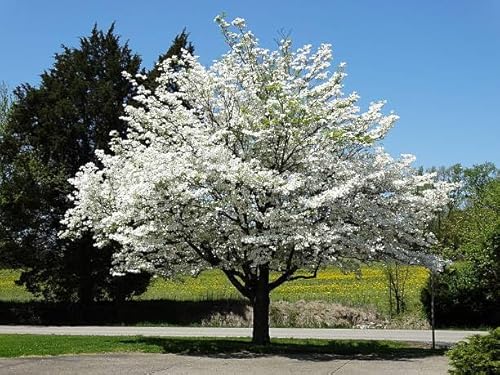
Crabapple trees belong to the Malus genus, which includes numerous species. These trees typically feature beautiful, fragrant blossoms in spring, making them popular in gardens and landscapes. You can find crabapple trees ranging from 15 to 25 feet in height, depending on the species.
Crabapple trees produce small fruits, referred to as crabapples. These fruits vary in color, typically appearing in hues of red, yellow, or green. While some crabapples are tart and mostly used for making jelly, others are sweet and can be eaten fresh.
Common species include:
- Malus fusca: Known for its larger, edible fruits, it often grows in the wild.
- Malus coronaria: Features aromatic fruits that are also used in jelly-making.
- Malus sargentii: Produces small, highly ornamental fruits that attract wildlife.
Crabapple fruits can attract various bird species, which helps pollinate surrounding plants. If you’re considering planting a crabapple tree, choose a location with full sun and well-drained soil to promote healthy growth and fruit production. Regular pruning can enhance air circulation and fruit quality.
Recommended Products
Ornamental Beauty in Spring and Fall: Grow your own stunning Crabapple tree from these Crabapple Tree Seeds. Enjoy a spectacular display of fragrant white blooms in spring, followed by attractive miniature Crabapple Fruits in the autumn that persist into winter, providing year-round visual interest.

Live Starter Plant: You will receive a well-rooted live plant approximately 5-8" tall, come in soil without pot, for planting in garden or container. The crabapple tree may arrive dormant during winter, with few or no leaves

Crabapples are great for bonsai with stunning flowers and fruits.
Characteristics Of Crabapple Fruit
Crabapple fruits showcase unique traits that set them apart from typical apples. Understanding these characteristics helps you appreciate their role in the ecosystem and their potential culinary uses.
Recommended Products

ORGANIC CRABAPPLE JELLY: Handcrafted in small artisanal batches using locally harvested Arkansas crabapples for peak seasonal flavor.

Harvested crab apples are gently boiled and simmered to extract rich flavor and color

Refreshing Drink or Chewy Snack – A fun way to entertain kids and satisfy their sweet tooth these candy fruit jelly snacks are like a drink when they’re room temperature or you can put them in the freezer to create something chewable
Size And Appearance
Crabapples typically range from 1 to 3 inches in diameter. The fruit can have various colors, including red, yellow, and green. The skin often displays a glossy finish, and the fruit’s shape varies from round to oval. Varieties like Malus ‘Prairifire’ produce vibrant red fruits that catch the eye. The size and appearance can differ significantly among species, making selection based on visual appeal easy.
Taste And Edibility
Crabapple fruits present a broad spectrum of flavors, from tart to mildly sweet. Most species lean toward tartness, making them less desirable for fresh eating, yet they excel in culinary applications. For example, Malus coronaria is often used in jellies and preserves due to its strong flavor. While some crabapples can be consumed raw, cooking broadens their use, enhancing sweetness or reducing tartness. Always check specific varieties for eating quality and remember that not all crabapples are palatable.
Benefits Of Crabapple Trees
Crabapple trees offer several benefits, making them a valuable addition to any landscape.
Ornamental Value
Crabapple trees bring striking beauty to your garden. They produce abundant fragrant blossoms in spring, appealing to gardeners and passersby. The flowers range from white to pink, attracting attention and adding color. In the fall, the trees display vibrant foliage and their small fruits, enhancing their aesthetic appeal. These trees fit various landscape styles, whether used as a focal point, border, or hedge.
Wildlife Habitat
Crabapple trees play a vital role in supporting wildlife. Their flowers attract pollinators like bees and butterflies during blooming season. The fruit provides essential food sources for birds, deer, and other wildlife throughout autumn and winter. Additionally, the tree’s branches offer shelter and nesting sites for birds, further enhancing your garden’s biodiversity. By planting a crabapple tree, you contribute to a healthier ecosystem while enjoying nature’s beauty in your yard.
Common Variants Of Crabapple Trees
Several crabapple tree variants display unique characteristics, making them popular choices for various landscapes. Here are some notable varieties:
Recommended Products

Live Crabapple plant, 6–12 inches tall, well-rooted bareroot, ready for planting


Cold Hardy Zones: Suitable for USDA Hardiness Zones 4-8, tolerating cold temperatures and various climate conditions
Malus fusca
- Growing Zone: Thrives in USDA zones 4 to 8.
- Fruit Size: Produces small, 1/2-inch fruits.
- Flavor Profile: Known for its tart flavor, often used in jellies.
- Foliage: Features dark green leaves that turn yellow in fall.
Malus coronaria
- Growing Zone: Adapts well in USDA zones 4 to 8.
- Fruit Size: Bears 1 to 2-inch fruits.
- Flavor Profile: Offers a sweet, aromatic taste; great for fresh eating.
- Appearance: Displays fragrant pink to white blossoms.
Malus sargentii
- Growing Zone: Suited for USDA zones 4 to 8.
- Fruit Size: Yields smaller, 1-inch fruits.
- Flavor Profile: Generally tart, making it ideal for preserves.
- Growth Habit: Grows as a small tree or large shrub, perfect for smaller gardens.
Malus x floribunda
- Growing Zone: Thrives in USDA zones 4 to 8.
- Fruit Size: Produces tiny, 1/2-inch fruits.
- Flavor Profile: Less appealing in raw form; mainly used for ornamental purposes.
- Flowering: Known for abundant white and pink blossoms, enhancing garden aesthetics.
- Growing Zone: Flourishes in USDA zones 4 to 8.
- Fruit Size: Produces medium-sized fruits, about 2 inches in diameter.
- Flavor Profile: Often sweet and palatable when fresh.
- Culinary Uses: Frequently used in cider production and fresh consumption.
When selecting a crabapple variant for your garden, consider factors such as growth zone, fruit size, and taste. Identifying the right variant ensures that you enjoy the fruits of your labor, whether for culinary uses or ornamental beauty.
Conclusion
Crabapple trees are a delightful addition to any garden. Their vibrant blossoms and unique fruit can enhance your landscape while supporting local wildlife. Whether you choose a tart variety for jellies or a sweeter one for fresh eating you’ll find plenty of ways to enjoy these charming trees.
As you consider planting a crabapple tree remember to check the specific variety for its fruit’s edibility. With the right care and location you can create a stunning focal point in your yard that not only looks beautiful but also contributes to a thriving ecosystem. So go ahead and embrace the beauty and benefits of crabapple trees in your garden.
Frequently Asked Questions
Are crabapple fruits edible?
Yes, crabapple fruits are edible, but their taste varies. Some are tart and used for jellies, while others are sweeter and can be eaten fresh. It’s essential to check the specific variety for its flavor profile.
What are crabapple trees known for?
Crabapple trees are primarily known for their stunning spring blossoms, which come in shades of white and pink. They also produce small fruits and are appreciated for their ornamental value in gardens.
How tall do crabapple trees grow?
Crabapple trees typically grow between 15 to 25 feet in height, making them suitable for various landscapes without overwhelming the space.
What types of wildlife benefit from crabapple trees?
Crabapple trees attract birds and pollinators like bees and butterflies, providing them with food and shelter while aiding in pollination.
What conditions do crabapple trees need to thrive?
Crabapple trees prefer a spot with full sun and well-drained soil. Regular pruning also helps to improve air circulation and fruit quality.
What are some popular varieties of crabapple trees?
Some notable varieties include Malus fusca, Malus coronaria, Malus sargentii, and Malus x floribunda. Each has unique flavor profiles and characteristics suited for different uses in the garden.
How large are crabapple fruits?
Crabapple fruits generally range from 1 to 3 inches in diameter. They come in various colors, including red, yellow, and green.
Can I plant a crabapple tree for fruits?
Yes, if you’re interested in harvesting fruit, choose a sweeter variety. Some crabapples are ideal for fresh eating, while others are better for making jellies and preserves.
