

Have you ever wondered when your dwarf mulberry tree will start producing those delicious little fruits? If you’ve planted one, you’re likely eager to enjoy the sweet rewards of your gardening efforts. Knowing the right timing can make all the difference in your harvest.
Key Takeaways
- Fruit Production Timeline: Dwarf mulberry trees begin to bear fruit 1 to 2 years after planting, with harvest typically happening in June or July.
- Ideal Growth Conditions: They thrive in full sun (6-8 hours daily) and well-draining, organic matter-rich soil with a pH of 5.5 to 6.5.
- Pollination Benefits: While self-pollinating, planting multiple trees promotes better fruit set and larger yields.
- Pruning and Fertilization: Regular pruning in late winter or early spring and balanced fertilization during the growing season are essential for optimal fruit production.
- Pest Management: Common pests like aphids and spider mites can be managed with insecticidal soap, while proper spacing helps prevent fungal diseases.
- Seasonal Factors: Weather conditions, including temperatures and potential late frosts, significantly influence fruiting times and overall harvest quality.
Overview of Dwarf Mulberry Trees
Dwarf mulberry trees are compact fruit-bearing plants known for their delicious berries. These trees typically reach a height of 4 to 6 feet, making them ideal for small gardens or containers. You can enjoy the sweet taste of mulberries without needing a large space.
Growth Conditions
Dwarf mulberry trees thrive in full sun, requiring at least six to eight hours of direct sunlight daily. They prefer well-draining soil that remains consistently moist but not soggy. Mulching around the base of the tree helps retain soil moisture and suppress weeds.
Fruit Production Timeline
These trees generally start producing fruit within 1 to 2 years after planting. You might notice small, green fruits forming in late spring, transitioning to delicious, sweet berries by early summer. Harvest typically occurs in June or July, depending on the variety and local climate conditions.
Pollination
Most dwarf mulberry trees are self-pollinating. However, planting more than one tree encourages better fruit set and larger yields. Consider including diverse varieties for an extended harvest season.
Maintenance Tips
To maximize fruit production, prune your dwarf mulberry tree yearly. Focus on removing dead or crossed branches to improve air circulation. Fertilize during the spring with a balanced fertilizer to support healthy growth and fruiting.
Pests and Diseases
Common pests affecting dwarf mulberry trees include aphids and spider mites. Monitor your tree and treat it with insecticidal soap if necessary. Additionally, proper spacing and airflow help prevent fungal diseases that can hinder fruit development.
Engaging with these aspects of dwarf mulberry trees enhances your gardening experience and helps you enjoy a fruitful harvest each season.
Growth Conditions for Dwarf Mulberry Trees
Dwarf mulberry trees thrive under specific conditions, ensuring healthy growth and abundant fruit production.
Recommended Products

100% Natural: Custom blend for your indoor potted banana trees

100% Natural: Expertly hand-blended with premium ingredients for potted citrus trees, ensuring your trees receive the purest, chemical-free nutrients. Contains no artificial additives.

STARTING A TROPICAL GARDEN- Comprised of real horticultural grade ingredients such as shredded coir husk, pine bark, perlite, sand, and garden lime; no pelletized fertilizer
Soil Requirements
Dwarf mulberry trees prefer well-draining soil rich in organic matter. Aim for a soil pH between 5.5 and 6.5. You can improve soil quality by adding compost or aged manure. Ensure the planting area has ample drainage to prevent root rot. If you plant in containers, select a potting mix designed for fruit trees to provide maximum nutrition.
Climate Preferences
Dwarf mulberry trees flourish in full sun, requiring at least 6 to 8 hours of direct sunlight each day. They adapt well to various climates but perform best in USDA hardiness zones 5 to 10. Moderate temperatures during fruiting season promote healthier yields. Protect your trees from extreme frost, especially during early spring, as this can damage budding fruit. Planting near a south-facing wall or in a sheltered spot can also enhance their growth and fruiting potential.
Fruiting Timeline for Dwarf Mulberry Trees
Dwarf mulberry trees offer delicious yields, enhancing your garden’s appeal. Understanding their fruiting timeline ensures a successful harvest.
Recommended Products

Produces sweet, juicy mulberries

Cute little starter plants great for your fall garden, to jumpstart your berry production in the spring!!

Age of the Tree
Dwarf mulberry trees typically start producing fruit within 1 to 2 years after planting. Younger trees may yield smaller quantities, while those aged 3 years or more provide a more bountiful harvest. By the fourth year, you can expect a steady production of fruit, reaching its peak around 4 to 6 years of age. This age correlates with increased tree maturity, resulting in sweeter, larger berries. If you’ve planted multiple trees, their flowering periods should align, enhancing cross-pollination and boosting your harvest potential.
Seasonal Factors
Seasonal conditions significantly influence fruiting times. Dwarf mulberry trees blossom in spring, and the fruit usually ripens around June or July. Optimal growing conditions involve temperatures between 70°F and 85°F during the day. If a late frost occurs in spring, it may damage blossoms, delaying fruit development. Adequate sunlight is crucial; trees require at least 6 to 8 hours of direct sunlight daily to encourage healthy fruit set. Watering during dry spells also supports fruit development; consistent moisture leads to plump, juicy berries. Regular monitoring of weather conditions helps in planning for the best harvest.
Care Tips for Optimal Fruiting
Caring for your dwarf mulberry tree ensures a delicious harvest. Follow these tips for optimal fruit production.
Recommended Products

LASTING COLOR: Miracle-Gro Tree & Shrub Plant Food Spikes are fertilizer spikes for trees and shrubs; they promote vibrant color and foliage for trees and shrubs in your yard

FORMULATED FOR CITRUS AND FRUIT TREES: Use these citrus fertilizer spikes on apple, orange, lemon, lime, and avocado trees; this formula is also great for feeding palm trees
Pruning Techniques
Pruning plays a crucial role in maintaining your dwarf mulberry tree’s health. Perform pruning during late winter or early spring before new growth appears.
- Remove Deadwood: Cut away any dead or damaged branches. This prevents disease and encourages healthy growth.
- Thin Crowded Branches: Selectively trim branches to improve air circulation and sunlight penetration. Aim for an open canopy to enhance fruit quality.
- Shape the Tree: Maintain an outward shape to support better sunlight exposure. Focus on a central leader method for balanced growth.
Aim to prune about 20% of the tree’s growth each year. Pruning encourages new fruit-bearing branches, enhancing overall yield.
Fertilization Guidelines
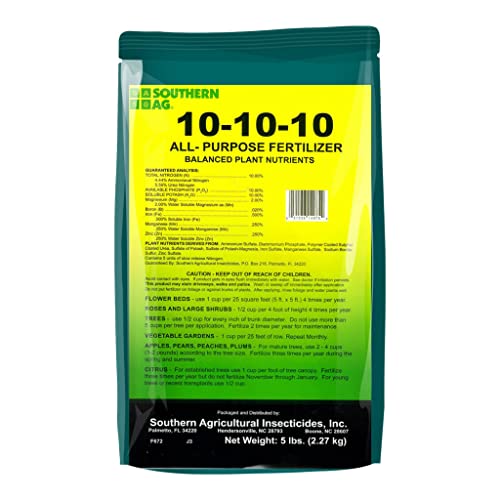
Fertilization significantly impacts fruit quantity and quality. Use a balanced fertilizer with a ratio like 10-10-10 during the growing season.
- Early Spring Application: Apply fertilizer as new growth appears. This provides essential nutrients for fruit development.
- Second Application in Late Spring: Follow up with a second dose around mid-May. This supports ongoing growth and fruit set.
- Organic Options: Consider using compost or well-rotted manure as a natural fertilizer. These promote healthy soil and tree growth.
Ensure the tree receives adequate water after fertilization to help nutrient absorption. Test your soil pH yearly to maintain the optimal range of 5.5 to 6.5. Adjust your fertilization strategy based on soil results for best outcomes.
Engaging with these care tips enhances your chance of enjoying a bountiful dwarf mulberry harvest each season.
Conclusion
Growing a dwarf mulberry tree is a rewarding experience that can bring delicious fruits to your garden. With the right care and conditions you can look forward to enjoying your first harvest within a couple of years. Remember that patience is key as these trees reach their peak production around the four to six-year mark.
By following the maintenance tips like pruning and fertilization you’ll not only enhance fruit production but also ensure your tree stays healthy and vibrant. So get ready to savor those sweet mulberries and enjoy the fruits of your labor in no time!
Frequently Asked Questions
When will my dwarf mulberry tree start producing fruit?
Dwarf mulberry trees typically begin producing fruit within 1 to 2 years after planting. Harvest usually occurs in June or July. Younger trees may yield smaller amounts, while those 3 years or older tend to provide a larger harvest, peaking around 4 to 6 years of age.
What conditions do dwarf mulberry trees need to thrive?
Dwarf mulberry trees require full sun, meaning at least 6 to 8 hours of direct sunlight daily. They flourish in well-draining soil rich in organic matter, with a preferred pH between 5.5 and 6.5. They adapt well across various climates but perform best in USDA hardiness zones 5 to 10.
Should I plant multiple dwarf mulberry trees?
While dwarf mulberry trees are mostly self-pollinating, planting multiple trees can improve fruit set. This is because it aligns their flowering periods, facilitating better cross-pollination and leading to a more abundant harvest.
What are some maintenance tips for dwarf mulberry trees?
To maximize fruit production, prune the tree yearly by removing deadwood and thinning crowded branches. Fertilize in early and late spring using a balanced fertilizer or organic options like compost. Consistent watering during dry periods is also crucial for healthy growth and fruiting.
How can I improve the fruit yield of my dwarf mulberry tree?
To improve fruit yield, focus on proper pruning (about 20% of the tree’s growth), ensuring sun exposure and air circulation. Fertilize during the growing season and monitor for pests and diseases. Optimal seasonal conditions, such as temperature and consistent watering, are also key to healthy fruit development.
