

Have you ever wondered if all crabapple trees produce fruit? If you’re considering adding one to your garden, this question is key. Crabapple trees can be stunning additions with their beautiful blossoms, but not every tree bears fruit.
Understanding which varieties produce fruit can save you time and help you choose the right tree for your needs. Whether you want to enjoy the colorful fruits or attract wildlife to your yard, knowing the facts will guide your decision. In this article, you’ll discover the ins and outs of crabapple trees and what to expect when it comes to fruit production.
Key Takeaways
- Not all crabapple trees produce fruit; many are ornamental varieties focused on aesthetic appeal.
- Fruiting crabapple varieties, such as ‘Louisa,’ ‘Pioneer,’ and ‘Harvest Gold,’ yield small, edible apples that support wildlife and culinary uses.
- Optimal conditions for fruit production include proper sunlight (6+ hours), well-drained loamy soil, regular watering, and moderate temperatures.
- Effective pollination is crucial for fruiting; planting compatible varieties together can enhance cross-pollination and fruit yield.
- Fruiting crabapple trees provide ecological benefits, including attracting wildlife, supporting pollinators, and contributing to culinary recipes.
- Non-fruiting crabapple trees primarily serve ornamental purposes and may limit wildlife support and overall utility in your landscape.
Understanding Crabapple Trees
Crabapple trees belong to the Malus genus and provide a range of attractive features. These trees typically grow between 15 and 25 feet tall, depending on the variety. The trees produce clusters of small flowers in spring, which can vary from white to pink to red, attracting different pollinators.
Fruit production in crabapple trees isn’t universal. Many ornamental varieties focus on aesthetic appeal rather than fruiting capabilities. If you’re interested in fruit, look for specific cultivars known for their production. Varieties like ‘Louisa,’ ‘Pioneer,’ and ‘Harvest Gold’ consistently yield small, tart fruits that are great for making jellies or attracting wildlife.
When selecting a crabapple tree, consider your intended use. Do you want a tree for ornamental purposes or for its fruit? If you prefer the fruit, confirm the variety produces edible fruit, as not all do.
Care also plays a role in fruit production. Ensure your tree gets adequate sunlight, roughly 6 to 8 hours a day, and receives consistent watering, especially during dry spells. Fertilization during the growing season supports healthy growth and may enhance fruit yield.
Crabapple trees thrive in various soil types, but they prefer well-drained, loamy soil. Test the soil pH beforehand; a range of 6.0 to 7.0 is ideal. Avoid overly wet areas that can lead to root rot.
With the right variety and care, you can enjoy the beauty and potentially the fruit of crabapple trees in your landscape.
Recommended Products

Due to agricultural laws, we CANNOT SHIP TO CA, AZ, AK, or HI - orders will be refunded if you ship to one of these states
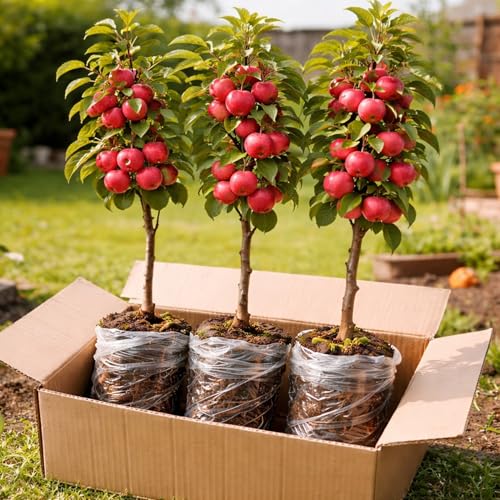
🍎 3 Live Crabapple Tree Saplings: Receive three healthy young apple tree saplings ready to plant and grow in your garden, backyard orchard, or container. Plants ship dormant (not leaves or fruit) in spring.
Shipping Restrictions: Due to agricultural laws, we CANNOT SHIP TO CA, AZ, AK, or HI - orders will be cancelled if you ship to one of these states
Types of Crabapple Trees
Crabapple trees vary widely, with some producing fruit while others focus on ornamental qualities. Understanding these types helps you choose the right tree for your garden.
Fruiting vs. Non-Fruiting Varieties
Fruiting crabapple trees produce small apples that offer visual appeal and attract wildlife. These trees provide crucial food sources for birds and other creatures. Non-fruiting varieties, often bred for aesthetics, do not yield significant fruit. Focus on these aspects when choosing a tree, as your land goals may influence your selection.
Popular Fruiting Crabapple Types
Here are some well-known crabapple varieties that produce fruit:
- ‘Louisa’: Produces small, tart red apples. These fruits are great for making jellies and are favored by birds.
- ‘Pioneer’: Yields yellow and red fruits that are slightly sweeter but still tart. This variety attracts a variety of wildlife.
- ‘Harvest Gold’: Known for its bright, golden fruits. These apples are suitable for culinary uses and attractive in gardens.
Selecting the right variety involves considering both aesthetic and practical purposes, ensuring your choice aligns with your landscape preferences and wildlife support.
Conditions for Fruit Production
To ensure crabapple trees produce fruit, specific conditions must be met. These include understanding environmental factors and pollination requirements.
Recommended Products

One rooted starter plant from fruiting shrub, dormant in winter (no leaves). Zones 4-9

Due to agricultural laws, we CANNOT SHIP TO CA, AZ, AK, or HI - orders will be cancelled if you ship to one of these states

Due to agricultural laws, we CANNOT SHIP TO CA, AZ, AK, or HI - orders will be cancelled if you ship to one of these states
Environmental Factors
Crabapple trees thrive in specific environmental conditions. Here are key elements for optimal growth:
- Sunlight: Ensure the tree receives at least six hours of direct sunlight daily. This promotes healthy blooming and fruit set.
- Soil Type: Use well-drained soil, preferably loamy or sandy, rich in organic matter. Heavy clay soils can hinder growth.
- Water: Provide regular watering, especially during dry spells. Aim for consistent moisture levels to support fruit development.
- Temperature: Plant in regions with moderate temperatures. Extreme cold or prolonged heat can adversely affect fruit production.
Pollination Requirements
Effective pollination is crucial for fruit production in crabapple trees. Here are essential points:
- Compatible Varieties: Plant at least two different crabapple varieties or nearby apple trees to enhance cross-pollination. Varieties like ‘Louisa’ and ‘Pioneer’ work well together.
- Pollinator Attraction: Encourage honeybees and other pollinators by planting flowers nearby. This increases pollination efficiency, boosting fruit yield.
- Flowering Synchronization: Choose varieties that bloom simultaneously for better pollination chances. Trees should flower within a week of each other to ensure compatibility.
By addressing these conditions, you can significantly enhance your crabapple tree’s ability to produce fruit.
Implications of Crabapple Fruit
Understanding the implications of crabapple fruit production is essential for any gardener considering adding this beautiful tree to their landscape. Fruit-bearing crabapple trees provide not just visual appeal, but also ecological benefits.
Benefits of Fruit Production
Fruiting crabapple trees offer several advantages:
- Wildlife Habitat: Small, tart fruits serve as food for various species, such as birds and insects. Planting a fruiting variety can attract more wildlife to your garden.
- Culinary Uses: Crabapple fruits can be used in jellies, jams, and pies, adding a unique flavor to homemade dishes.
- Aesthetic Appeal: The combination of flowers in spring and fruits in fall creates year-round visual interest.
- Pollination Support: Fruit-bearing varieties attract pollinators, boosting the overall health of surrounding plants.
When choosing a variety, consider options like ‘Louisa’ and ‘Pioneer,’ which are known for producing abundant fruit.
Challenges with Non-Fruiting Trees
Non-fruiting crabapple trees may be appealing for their ornamental qualities, but they come with challenges:
- Limited Wildlife Support: Non-fruiting varieties do not provide food for birds and wildlife, potentially reducing biodiversity in your garden.
- Less Utility: These trees offer aesthetic benefits but lack practical culinary uses, limiting their overall function in your landscape.
- Pollination Needs: Even though they don’t produce fruit, these trees still need pollinators for their flowers. If nearby fruiting trees aren’t present, you may miss out on the full ecological benefits of your garden.
While non-fruiting crabapple trees excel in ornamental roles, understanding their limitations ensures informed decisions when deciding what to plant.
Conclusion
Choosing the right crabapple tree can make a big difference in your garden. If you’re after vibrant blooms and fruit to enjoy or share with wildlife, it’s essential to select a fruiting variety. Keep in mind the care requirements and the importance of proper pollination to ensure a bountiful harvest.
With the right knowledge and a little effort, you can create a beautiful and productive landscape. So whether you’re looking for a stunning ornamental feature or a fruitful addition to your yard, you’re now equipped to make the best choice for your needs. Happy gardening!
Frequently Asked Questions
Do all crabapple trees produce fruit?
Not all crabapple trees produce fruit. Many ornamental varieties are cultivated for their aesthetic qualities rather than fruit production. To ensure you have a fruit-bearing tree, look for specific cultivars known for their edible fruit, such as ‘Louisa,’ ‘Pioneer,’ and ‘Harvest Gold.’
What are the best crabapple tree varieties for fruit production?
The best crabapple varieties for fruit production include ‘Louisa,’ ‘Pioneer,’ and ‘Harvest Gold.’ These cultivars are known for producing small, tart fruits that can be used for jellies and attract wildlife like birds.
How tall do crabapple trees grow?
Crabapple trees typically grow between 15 to 25 feet tall, depending on the variety and growing conditions. They showcase clusters of beautiful flowers in spring that can enhance your garden’s appeal.
What care do crabapple trees need for optimal fruit yield?
To ensure optimal fruit yield, crabapple trees need at least six hours of direct sunlight daily, well-drained soil, and consistent watering. Proper care is crucial for healthy growth and fruit production.
How can I improve pollination for my crabapple tree?
To improve pollination, plant at least two compatible crabapple varieties or nearby apple trees to enhance cross-pollination. Additionally, planting flowers nearby can attract pollinators like honeybees, further improving your chances of fruit set.
What are the ecological benefits of fruit-bearing crabapple trees?
Fruiting crabapple trees provide essential food sources for birds and other wildlife, supporting local ecosystems. They also contribute to pollination efforts, helping maintain a vibrant garden ecosystem while offering aesthetic and culinary uses.
