

Have you ever wondered when those juicy plums will finally be ready to pick? If you’ve got a plum tree in your yard or are thinking about planting one, knowing when to expect fruit can make all the difference.
Key Takeaways
- Fruiting Timeline: Plum trees typically bear fruit from late June through August, with timing influenced by climate and variety.
- Varietal Differences: European plums usually mature later than Japanese ones; knowing your tree’s variety helps predict harvest time.
- Pollination Importance: Cross-pollination is vital for optimal fruit production; plant compatible plum varieties nearby to enhance yields.
- Growth Stages: Plum trees go through key stages: flowering in early spring, followed by fruit development that lasts approximately 90 to 150 days.
- Care Tips: Regularly water, prune, fertilize, and monitor for pests and diseases to ensure healthy fruit growth and a bountiful harvest.
- Soil Management: Plum trees thrive in slightly acidic to neutral soil (pH 6.0 to 7.0); test and amend soil as necessary for optimal growth.
Overview of Plum Trees
Plum trees belong to the genus Prunus and are part of the rose family. They thrive in USDA hardiness zones 3 to 9, depending on the variety. You’ll find both European and Japanese plums, each with unique characteristics. European plums typically have a sweet yet tart flavor, while Japanese plums are often sweeter.
Plum trees generally require full sun, so plant them in a location that receives 6 to 8 hours of sunlight daily. They prefer well-drained soil rich in organic material. Regular watering, especially during dry periods, promotes healthy growth and fruit production.
Understanding the growth cycle of plum trees helps you manage your expectations. Typically, they bloom in early spring. After flowering, the trees produce small fruit. The harvest occurs in summer, usually from late June through August, depending on the variety and climate.
For successful fruiting, consider cross-pollination. Many plum varieties require a pollinator for optimal fruit set. Planting compatible varieties within proximity improves fruit yields.
Monitoring for pests and diseases ensures healthy fruit production. Common issues include aphids and brown rot. Regular inspections and timely interventions can maintain tree health and increase your plum harvest.
Keep these points in mind as you care for your plum tree, ensuring it thrives and produces delicious fruit for you to enjoy.
Growth Stages of Plum Trees
Understanding the growth stages of plum trees helps ensure a successful harvest. Here’s a breakdown of the key stages in the life cycle of these trees.
Flowering Stage
During the flowering stage, plum trees produce blossoms in early spring. These delicate flowers usually appear from March to April, depending on the climate. Pollination occurs shortly after, with bees and other insects transferring pollen between flowers. Good pollination increases fruit yield. It’s important to consider planting different plum varieties to facilitate cross-pollination. Monitor the flowers for frost damage, as late frosts can harm them and impact fruit production.
Fruit Development Stage
The fruit development stage follows successful pollination. Initially, small green plums start to form within a few weeks. This period lasts through late spring into summer. The plums grow larger and change color as they ripen. Expect most varieties to take around 90 to 150 days from bloom to harvest. Regular watering during this phase supports healthy fruit growth. Keep an eye out for pests and diseases, as these can hinder fruit development. Proper care during this stage lays the foundation for a fruitful harvest.
What Month Do Plum Trees Bear Fruit?
Plum trees typically bear fruit from late June through August. The exact timing depends on factors like climate and tree variety.
Recommended Products

Reusable design: great for orchard use, this branch bender is timesaving, laborsaving, and can be reused multiple times for longterm efficiency,branch bender,tree branch spreader

Wide compatibility: this tool is ideal for shaping and training young fruit tree branches,tree branch,tree crutch

𝐆𝐞𝐧𝐭𝐥𝐞 𝐅𝐫𝐮𝐢𝐭 𝐇𝐚𝐫𝐯𝐞𝐬𝐭𝐢𝐧𝐠: Home-X fruit picking basket features uniquely designed finger-like prongs that gently grasp and pull apples, peaches, and more from branches without causing bruising or damage to the delicate fruit.
Variations by Climate
Climate influences when plum trees bear fruit. In warmer regions, such as USDA hardiness zones 8 to 9, harvest may begin in late June. In cooler zones, like 3 to 5, the harvest can extend into early September. You should consider your local climate if you want to plan your planting and harvesting.
Different Plum Varieties
Plum varieties also affect fruiting times. European plums often mature later than Japanese plums. For instance, ‘Stanley’ is a European variety that typically bears fruit in August, while ‘Santa Rosa,’ a Japanese variety, can be ready by late July. Ensure you know your tree’s variety to better anticipate your harvest.
Tips for Plum Tree Care
Maintaining a healthy plum tree requires consistent attention and care. Follow these tips to ensure your tree thrives and produces a bountiful harvest.
Recommended Products
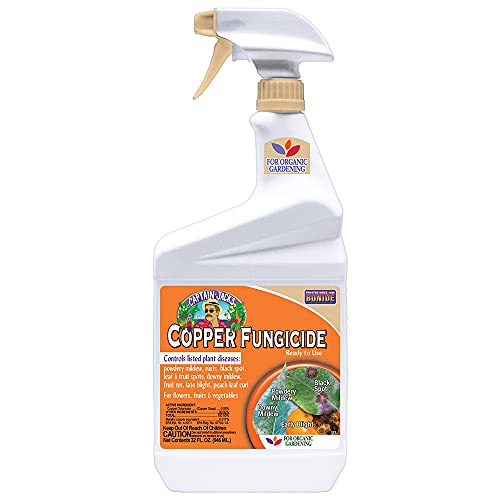
Control fungus and disease in your garden with Captain Jack’s ready-to-use Liquid Copper Fungicide!

Control diseases and insects in your garden with Captain Jack’s Fruit Tree Spray Concentrate! Use on a variety of listed fruits, nuts and citrus plants.

TRIPLE PROTECTION FORMULA: 3-in-1 solution kills listed insects, controls listed diseases, and controls listed mites with one easy application
Watering
- Water your plum tree deeply once a week during dry spells.
- Monitor soil moisture; it should feel moist but not soggy.
- Modify watering frequency based on rainfall and local climate.
Pruning
- Prune your tree in late winter or early spring before new growth starts.
- Remove dead or damaged branches to promote healthy growth.
- Thin crowded areas to improve air circulation and sunlight exposure.
Fertilizing
- Apply a balanced fertilizer in early spring as the buds swell.
- Follow package instructions for application rates based on tree age.
- Incorporate compost for added nutrients and improved soil health.
Pest and Disease Control
- Inspect your tree regularly for signs of pests or disease.
- Use organic pesticides as a first line of defense against common pests like aphids and plum curculio.
- Monitor for fungal infections, applying fungicides when necessary.
Mulching
- Add a layer of mulch around the base of your tree to retain soil moisture and suppress weeds.
- Use organic material like wood chips or straw, keeping it a few inches away from the trunk.
- Replenish mulch annually to maintain effectiveness.
Pollination
- Plant compatible varieties nearby to enhance pollination.
- Encourage pollinators by planting flowers that attract bees.
- Monitor for fruit set; a lack of fruit may indicate pollination issues.
- Test your soil pH; plum trees prefer slightly acidic to neutral soil (pH 6.0 to 7.0).
- Amend soil with lime or sulfur as needed to achieve the right pH.
- Ensure good drainage to prevent root rot.
By following these care tips, your plum tree can flourish, leading to a successful fruiting season. Keep an eye on your tree’s needs, and enjoy the fruits of your labor as they ripen from late June through August.
Conclusion
Knowing when your plum trees bear fruit can make all the difference in your gardening experience. With the right care and attention you can enjoy a delightful harvest from late June through August.
Keep in mind that factors like climate and tree variety play a significant role in when you’ll see those juicy plums ready for picking. By understanding your tree’s needs and staying proactive in your care routine you’ll set yourself up for success.
So get ready to savor the sweet rewards of your hard work and enjoy the delicious plums that come from your very own tree. Happy gardening!
Frequently Asked Questions
When are plums ready to be harvested?
Plums are typically ready for harvest from late June to August, depending on the variety and climate. Warmer regions may see harvests starting in late June, while cooler areas might extend into early September.
How can I tell if my plums are ripe?
Ripe plums should be slightly soft to the touch and have a rich color. You can also check if they easily detach from the tree when gently lifted.
What are the best growing conditions for plum trees?
Plum trees thrive in full sun, well-drained soil, and need regular watering. They do best in USDA hardiness zones 3 to 9, making it essential to know your zone before planting.
What is the difference between European and Japanese plums?
European plums are usually larger and taste sweeter, whereas Japanese plums are often juicier and have a slightly tart flavor. Each variety may also differ in ripening time.
How important is cross-pollination for plum trees?
Cross-pollination enhances fruit production in plum trees. Planting compatible varieties nearby increases the chances of successful pollination, leading to a better harvest.
What are some common pests that affect plum trees?
Common pests include aphids, plum curculio, and spider mites. Regularly inspecting your plum trees for signs of these pests helps in maintaining tree health and ensuring a fruitful harvest.
How often should I water my plum tree?
Plum trees should be watered deeply once a week during dry periods. Consistent moisture is key, especially during the fruit development stage.
When should I prune my plum tree?
Prune your plum tree in late winter or early spring while it is still dormant. This helps promote healthy growth and fruit production in the coming season.
Do I need to use fertilizer for my plum tree?
Yes, it’s advisable to apply a balanced fertilizer in early spring to support healthy growth and fruiting. Regular soil testing can help determine nutrient needs.
Why is mulching important for plum trees?
Mulching helps retain soil moisture, suppress weeds, and improve soil health. It also regulates soil temperature, creating a better environment for your plum tree to thrive.
