

Growing quince trees in pots in Ohio is a viable option for gardeners seeking to cultivate this unique fruit. Proper care and maintenance will ensure healthy growth and fruitful yields, even in a challenging climate. Understanding the specific needs of quince trees can enhance your success.
Optimal Pot Size for Quince Trees
Selecting the correct pot size is crucial for the health of your quince tree. A pot that is too small will restrict root growth, while one that is excessively large may retain too much moisture. Aim for a pot that is at least 18 to 24 inches in diameter and has adequate drainage holes.
Optimal Pot Sizes for Quince Trees
Choosing the right pot size is crucial for the healthy growth of quince trees in Ohio. The optimal pot size ensures adequate root development and provides enough space for the tree to thrive, especially in a container environment. Understanding these dimensions will help you maximize the potential of your quince trees while maintaining their health and productivity.
| Pot Size | Diameter | Suitable for |
|---|---|---|
| Small | 12-14 inches | Young trees |
| Medium | 18-24 inches | Mature trees |
| Large | 30 inches | Established trees |
A well-draining potting mix is essential. Use a blend that includes perlite or vermiculite to improve aeration and drainage.
Choose the Right Location for Growth
Selecting the ideal location for your potted quince tree is crucial for its health and productivity, especially in Ohio’s unique climate. Factors such as sunlight exposure, wind protection, and drainage play significant roles in ensuring your tree thrives. Understanding these elements will help you create the best environment for your quince tree to flourish.
Quince trees thrive in full sunlight. Position your pots in a location that receives at least six hours of direct sunlight daily. This is particularly important in Ohio, where seasonal variations can affect growth.
Optimal Sunlight for Quince Trees
Quince trees thrive best in environments that provide ample sunlight, making their placement crucial for healthy growth. In Ohio, understanding the specific sunlight requirements can significantly impact the success of growing these trees in pots. This section will explore the optimal sunlight conditions necessary for nurturing quince trees effectively.
Morning Sun: Protects against frost damage
Afternoon Sun: Provides warmth for fruit development
Sheltered Areas: Avoid strong winds that can damage young branches
Monitor the temperature, especially during winter months. If temperatures drop below 20°F, consider moving pots indoors or providing insulation.
Quince Tree Watering Best Practices
Proper watering is essential for the health and productivity of quince trees grown in pots, especially in Ohio’s varied climate. Understanding the specific needs of these trees will help ensure they thrive, producing delicious fruit while avoiding common pitfalls associated with over- or under-watering. This section outlines the best practices for watering quince trees to promote optimal growth and fruit development.
Proper watering is vital for maintaining the health of your quince tree. Overwatering can lead to root rot, while underwatering can stress the plant. Establish a consistent watering schedule based on the season and weather conditions.
Recommended Products
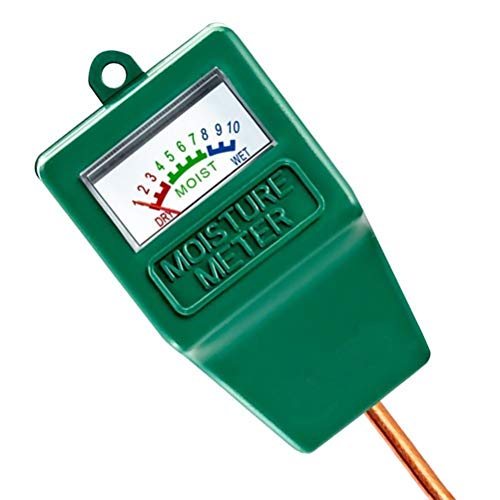
Soil Moisture Meter: This single probe soil moisture meter is specially designed for testing the moisture level in the soil, helps you decide whether the plants need water or not, helps to keep plants alive.

🌱 Take the Guesswork Out of Plant Care Monitor soil moisture, pH levels, and sunlight intensity with one convenient 3-in-1 soil tester. Easily understand your plants’ growing conditions and make smarter care decisions for healthier indoor and outdoor plants.

【4 in 1 function】This is a 4-in-1 multifunctional soil tester.Our soil tester fastly to measure soil moisture, pH, temperature and sunlight to help you take better care of flowers and plants.You can know when you need to water your soil by measuring moisture and pH & Temperature value of the soil and sunlight level of plants with it.
Pot Watering Techniques for Quince Trees
Proper watering is crucial for the health of quince trees grown in pots, especially in Ohio’s varying climate. Understanding the right techniques for pot watering can help ensure these trees thrive, promoting robust growth and fruit production. This section will explore effective methods to maintain optimal moisture levels for your potted quince trees.
Spring/Summer: Water deeply once a week
Fall/Winter: Reduce frequency to every two weeks
Soil Check: Ensure the top inch of soil is dry before watering
Use a moisture meter to accurately gauge soil moisture levels. This tool can help prevent overwatering.
Quince Tree Fertilization Guidelines for Ohio
Fertilizing quince trees in pots is essential for their growth and fruit production, especially in Ohio’s unique climate. Understanding the specific nutrient needs and timing for fertilization can significantly impact the health of your trees. This section provides detailed guidelines to help you effectively nourish your quince trees throughout the growing season.
Regular fertilization supports the growth and fruiting of quince trees. Use a balanced fertilizer that includes nitrogen, phosphorus, and potassium.
Recommended Products

Made for Lemon & Citrus Trees – Formulated to support healthy growth in lemon and citrus plants.

FORMULATED FOR CITRUS AND FRUIT TREES: Use these citrus fertilizer spikes on apple, orange, lemon, lime, and avocado trees; this formula is also great for feeding palm trees

Package contains 4 Pounds organic fruit and citrus fertilizer grains and is produced to avoid wasteful runoff, mess, hazards and smells
Spring Fertilization for Potted Quince Trees
Spring is a crucial time for potted quince trees, as proper fertilization can significantly enhance their growth and fruit production. Understanding the specific nutrient needs during this season will help ensure that your trees thrive in Ohio’s unique climate. This section outlines effective fertilization strategies tailored for potted quince trees in spring.
Early Spring: Apply a slow-release fertilizer
Mid-Summer: Use a liquid fertilizer for a nutrient boost
Fall: Avoid fertilizing to prepare the tree for dormancy
Follow the manufacturer’s instructions for application rates. Over-fertilization can harm the tree.
Pruning Strategies for Quince Tree Health
Pruning is essential for maintaining the health and productivity of quince trees, especially when grown in pots. Proper techniques not only enhance growth but also improve fruit quality. This section outlines effective pruning strategies tailored for quince trees in Ohio’s unique climate, ensuring they thrive and yield abundant fruit.
Pruning is essential for maintaining the shape and health of your quince tree. Proper pruning encourages better air circulation and sunlight penetration.
Pruning Quince Trees in Early Spring
Pruning quince trees in early spring is essential for promoting healthy growth and maximizing fruit production. This crucial maintenance step helps shape the tree, remove dead or diseased branches, and encourage new growth. Understanding the best practices for pruning will ensure your quince trees thrive in Ohio’s climate.
Timing: Prune in late winter or early spring
Tools: Use sharp, clean pruning shears
Technique: Remove dead or crossing branches
Focus on shaping the tree and removing any suckers that grow from the base. This will direct energy towards fruit production.
Quince Tree Pest Management Techniques
Managing pests effectively is crucial for the health of quince trees grown in pots, especially in Ohio’s unique climate. This section outlines practical techniques to identify, prevent, and control common pests that can threaten your quince tree’s growth and fruit production. By implementing these strategies, you can ensure a thriving and productive tree.
Pests can pose significant threats to quince trees. Regular monitoring and proactive measures can help manage infestations effectively.
Pest Management for Quince Trees
Pest management is crucial for maintaining healthy quince trees, especially when grown in pots in Ohio’s unique climate. Understanding the common pests that affect these trees and implementing effective control strategies will help ensure robust growth and fruitful harvests. This section outlines essential practices for identifying and managing pests to protect your quince trees.
Aphids: Small insects that suck sap from leaves
Spider Mites: Tiny pests that cause leaf discoloration
Caterpillars: Larvae that can defoliate trees
Insect Control with Soaps
Insect control is crucial for maintaining healthy quince trees, especially when grown in pots. Using soaps as a treatment can effectively manage pests while being gentle on the plants. This section will explore the various soap options available and how to apply them for optimal results in Ohio’s unique climate.
Insecticidal Soap: Effective against soft-bodied insects
Neem Oil: A natural pesticide for various pests
Handpicking: Remove larger pests manually
Regular inspections will help catch problems early.
Ohio Quince Tree Winter Protection Strategies
As winter approaches in Ohio, protecting quince trees in pots becomes essential for their survival and health. This section outlines effective strategies to shield these delicate plants from harsh temperatures and frost, ensuring they thrive through the cold months. By implementing these methods, you can help your quince trees endure winter and emerge healthy in the spring.
Ohio winters can be harsh. Protecting your quince tree during this season is essential for its survival and future growth.
Winter Care Strategies for Potted Quince
Winter can be a challenging season for potted quince trees, especially in Ohio’s fluctuating temperatures. Proper care during these colder months is essential to ensure the health and vitality of your tree. This section outlines effective strategies to protect your potted quince from harsh winter conditions, helping you maintain its growth and fruiting potential.
Mulching: Apply a thick layer of mulch around the base
Insulation: Wrap pots with burlap or bubble wrap
Indoor Storage: Move pots indoors if temperatures drop significantly
Monitor for signs of stress, such as leaf drop or discoloration.
Quince Tree Care Essentials for Ohio
Caring for quince trees in pots requires specific attention, especially in Ohio’s unique climate. Understanding the essential maintenance practices will ensure your trees thrive and produce fruit. This section outlines key care strategies tailored to the needs of quince trees grown in containers within the region.
| Task | Frequency | Notes |
|---|---|---|
| Watering | Weekly in summer | Adjust based on rainfall |
| Fertilization | Every 6-8 weeks | Use balanced fertilizer |
| Pruning | Annually | Focus on dead or crossing branches |
| Pest Monitoring | Weekly | Inspect foliage and branches |
Proper maintenance of quince trees in pots can lead to fruitful harvests. Regular attention to watering, sunlight, and pest control will ensure healthy growth.
