

Have you ever found yourself overwhelmed by the mess of crabapples in your yard? If you’ve got a crabapple tree, you know how quickly those little fruits can pile up, creating a sticky situation. You might be wondering if there’s a way to stop your tree from producing fruit altogether.
Key Takeaways
- Understanding Crabapple Trees: Recognize the characteristics of crabapple trees, including their height, flower colors, and culinary potential, to appreciate their value in your landscape.
- Pruning Techniques: Employ pruning before blooming, focusing on branches with flower buds, to significantly reduce fruit production while maintaining tree health.
- Chemical Treatments: Consider fruit development inhibitors during peak flowering times to effectively manage crabapple fruit, following safety precautions and product instructions.
- Reduced Mess: Preventing fruit production minimizes fallen fruit litter, making yard maintenance easier and enhancing your outdoor experience.
- Decreased Pest Attraction: Limiting fruit reduces the likelihood of attracting pests like bees and wasps, creating a more enjoyable environment for gatherings.
- Health and Regulations Considerations: Prioritize the tree’s health and adhere to local guidelines regarding maintenance practices before implementing fruit prevention methods.
Understanding Crabapple Trees
Crabapple trees belong to the Malus genus and are known for their beautiful blossoms and ornamental features. While they’re prized for their aesthetics, you may find the fruit production less desirable.
Characteristics of Crabapple Trees
Crabapple trees typically grow between 15 and 25 feet tall. They produce small fruits, usually less than 2 inches in diameter. These trees feature attractive spring flowers that vary in color from white to deep pink. Leaves are generally oval-shaped with serrated edges. Varieties like the ‘Sugar Tyme’ and ‘Royal Raindrops’ showcase unique colors and shapes.
Importance of Fruit Production
Fruit from crabapple trees serves various purposes. Wildlife, such as birds and squirrels, rely on these fruits as a food source. The fruits can also contribute to local ecosystems by supporting pollinators. Moreover, crabapple fruits can be made into jellies or used for cooking, showcasing their culinary potential. Some gardeners appreciate these flowers and fruits for their seasonal beauty and the vibrant colors they bring to the landscape.
Methods to Stop Crabapple Trees from Producing Fruit
You can employ several methods to stop crabapple trees from producing fruit. Understanding these methods helps you maintain your yard while respecting the tree’s overall health.
Pruning Techniques
Pruning the tree before the blooming season reduces fruit production significantly. Remove specific branches to limit flowering:
- Timing: Prune in late winter or early spring, before new growth begins.
- Tools: Use clean and sharp pruning shears or saws to prevent damage.
- Method: Focus on branches with the most buds for flowering. Cut back about one-third of the tree’s height for the best results.
- Maintenance: Regular annual pruning keeps fruit production low while maintaining shape.
Chemical Treatments
Chemical treatments offer a more direct approach to controlling fruit production. You can apply specific chemicals during critical growth periods:
- Fruit Development Inhibitors: Use sprays containing chemicals like ethephon. These disrupt normal fruit development.
- Timing: Apply during peak flowering for maximum effectiveness.
- Follow Instructions: Always follow label directions for concentration and application frequency.
- Safety Precautions: Wear protective clothing and ensure pets and wildlife stay away during application.
Using these methods can help keep your yard free of crabapple mess while managing your tree’s health.
Benefits of Preventing Fruit Production
Preventing fruit production on crabapple trees offers several advantages that can enhance your property. Two significant benefits include a reduced mess and decreased pest attraction.
Recommended Products

Due to agricultural laws, we CANNOT SHIP TO CA, AZ, AK, or HI - orders will be refunded if you ship to one of these states
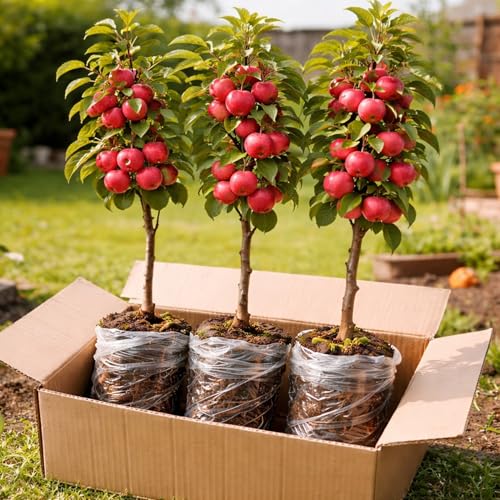
🍎 3 Live Crabapple Tree Saplings: Receive three healthy young apple tree saplings ready to plant and grow in your garden, backyard orchard, or container. Plants ship dormant (not leaves or fruit) in spring.
Shipping Restrictions: Due to agricultural laws, we CANNOT SHIP TO CA, AZ, AK, or HI - orders will be cancelled if you ship to one of these states
Reduced Mess on Property
Reducing the mess from fallen fruit simplifies yard maintenance. Crabapples can litter your lawn, driveway, and walkways, creating a sticky situation. Regularly cleaning up fallen fruit becomes a time-consuming chore. By limiting fruit production, you greatly minimize this mess, allowing you to enjoy your outdoor space without worrying about constant cleanup.
Decreased Pest Attraction
Decreasing fruit production also lowers the risk of pest attraction. Overripe crabapples often attract pests like bees, wasps, and fruit flies. These pests can create an uninviting environment, especially for outdoor gatherings. When you prevent fruit from forming, you’ll notice fewer insects buzzing around, making your property more pleasant and inviting for you and your guests.
Considerations Before Taking Action
Before deciding to stop your crabapple tree from producing fruit, think about several important factors related to its health and local regulations.
Recommended Products

Control diseases and insects in your garden with Captain Jack’s Fruit Tree Spray Concentrate! Use on a variety of listed fruits, nuts and citrus plants.

KILLS LISTED FRUIT & CITRUS TREE INSECTS: Controls Asian Citrus Psyllid, Whiteflies, Aphids Thrips, Citrus Leafminers, Leafhoppers, Blackfly, Mealybugs, Scales, Avocado Lacebugs, Oriental Beetles, Flea Beetles, Sharpshooters, and Spittlebugs

TRIPLE PROTECTION FORMULA: 3-in-1 solution kills listed insects, controls listed diseases, and controls listed mites with one easy application
Tree Health and Growth Impact
Removing fruit production can impact the overall health of your tree. Trees require energy for growth and flowering, which they derive from producing fruit. Pruning or using chemical treatments can stress the tree if done excessively or improperly. It’s best to conduct pruning carefully and at the right time, preferably in late winter or early spring. This timing can help minimize stress and support healthy growth. Monitor the tree closely after taking action to ensure it’s thriving.
Local Regulations and Guidelines
Check local regulations regarding tree care and maintenance. Some regions may have specific guidelines for pruning or chemical treatments. For instance, certain treatments might not be permissible due to environmental concerns. Always research your local laws or consult with a local extension service before proceeding. Being informed helps you avoid potential fines and ensures you care for your tree responsibly.
Conclusion
Managing your crabapple tree’s fruit production can definitely make your yard more enjoyable. By following the right pruning techniques or applying fruit development inhibitors you can reduce the mess while still appreciating the tree’s beauty. Just remember to keep your tree’s health in mind and check local regulations before making any changes.
With a little effort you can strike a balance that works for you and your landscape. Enjoy your outdoor space without the hassle of fallen fruit and make the most of your lovely crabapple tree.
Frequently Asked Questions
What are crabapple trees known for?
Crabapple trees belong to the Malus genus and are mainly valued for their beautiful blossoms and ornamental features. They typically grow between 15 and 25 feet tall and showcase attractive spring flowers that range from white to deep pink, making them popular in gardens and landscapes.
Why do crabapple trees produce so much fruit?
Crabapple trees naturally produce small fruits as part of their reproductive process. While these fruits serve as food for wildlife and contribute to local ecosystems, they can create a mess in yards, prompting homeowners to seek ways to manage or reduce fruit production.
How can I stop my crabapple tree from producing fruit?
To minimize fruit production, prune your crabapple tree before blooming season in late winter or early spring. Focus on healthy branch pruning and consider using chemical treatments like ethephon during peak flowering to inhibit fruit development, keeping the tree’s health in mind.
Are there benefits to preventing crabapple fruit production?
Yes, preventing fruit production helps reduce yard mess and decreases the attraction of pests like bees, wasps, and fruit flies. This can simplify yard maintenance and create a more enjoyable outdoor space for gatherings and activities.
Is it safe to use chemical treatments on crabapple trees?
Using chemical treatments is generally safe if applied correctly. It’s crucial to follow safety precautions and instructions for products like ethephon to minimize any negative impact on the tree’s health while achieving desired results in fruit production reduction.
Do pruning and chemical treatments affect the tree’s health?
Yes, both pruning and chemical treatments can impact a crabapple tree’s health. Interfering with fruit production can stress the tree, so it is important to time these actions carefully and consider the overall health while ensuring compliance with local regulations for tree care.
