Close Menu
    Fruit Tree Hub
    • Home
    • Apple Trees
    • Lemon Trees
    • Mango Trees
    • Orange Trees
    • More Trees
      • Best Fruit Trees
      • Apricot Trees
      • Cherry Trees
      • Fig Trees
      • Lime Trees
      • Mulberry Trees
      • Peach Trees
      • Pear Trees
      • Plum Trees
      • Pomegranate Trees
    • Tips and Advice
      • Tools
    • About Us
      • Contact
      • Privacy Policy
    Fruit Tree Hub
    Home»Tips and Advice»Can You Prune Fruit Trees When Fruiting: Essential Tips for Healthy Trees and Bountiful Harvests
    Tips and Advice

    Can You Prune Fruit Trees When Fruiting: Essential Tips for Healthy Trees and Bountiful Harvests

    Martha JacksonBy Martha JacksonJanuary 13, 20258 Mins Read
    Share Facebook Twitter Pinterest WhatsApp Email
    Share
    Facebook Twitter LinkedIn Pinterest Telegram Email

    Have you ever wondered if you can prune your fruit trees while they’re heavy with fruit? It’s a common question among gardeners who want to keep their trees healthy without sacrificing this season’s harvest. You might be worried about damaging your trees or losing your precious fruit, but there’s more to it than that.

    Contents show
    1 Key Takeaways
    2 Understanding Fruit Tree Pruning
    2.1 Importance of Pruning
    2.2 Different Pruning Techniques
    3 Pruning During Fruiting
    3.1 Effects on Fruit Production
    3.2 Timing of Pruning
    4 Best Practices for Pruning
    4.1 Tools and Equipment Needed
    4.2 Steps for Successful Pruning
    5 Signs That Pruning is Necessary
    5.1 Identifying Overcrowded Branches
    5.2 Monitoring Tree Health
    6 Conclusion
    7 Frequently Asked Questions
    7.1 Can you prune fruit trees while they’re fruiting?
    7.2 What are the benefits of pruning fruit trees while they bear fruit?
    7.3 What pruning techniques are recommended during the fruiting stage?
    7.4 When is the best time to prune fruit trees?
    7.5 How much can you prune off a fruit tree during the fruiting phase?
    7.6 What tools are best for pruning fruit trees?
    7.7 What signs indicate pruning is necessary?
    7.8 What should I do after pruning my fruit tree?

    In this article, you’ll discover the best practices for pruning fruit trees during their fruiting phase. You’ll learn how to maintain your trees without compromising your harvest, ensuring they stay productive for years to come. Whether you’re a seasoned gardener or just starting, this guide will help you make informed decisions about your fruit trees.

    Key Takeaways

    • Pruning fruit trees during the fruiting phase can improve air circulation and sunlight exposure, leading to better fruit quality and size.
    • Different pruning techniques, such as thinning cuts and heading cuts, should be employed thoughtfully to avoid stressing the tree and negatively impacting the current harvest.
    • The ideal timing for pruning is late summer or early fall when fruit is mature, minimizing stress and allowing the tree to focus on ripening.
    • Regular maintenance pruning can help remove dead or diseased branches without affecting fruit production, ensuring long-term tree health.
    • Always use clean, sharp tools to prevent injury to the tree and apply best practices to monitor overall tree health post-pruning.

    Understanding Fruit Tree Pruning

    Pruning fruit trees during the fruiting season involves specific techniques that can enhance tree health and productivity. Knowing when and how to prune is crucial for maintaining vigorous growth and ensuring a good harvest.

    MUST READ
    How to Scare Birds from Fruit Trees: Effective Tips to Protect Your Harvest

    Recommended Products

    VOTREK® Pruning Shears, 8.5” Professional Garden Pruner with Jam-Proof Spring & Ever-Sharp SK5 Blade, Ergonomic Bypass Clippers for Rose, Tree Trimming, Heavy Duty Bonsai Scissor for Weak Hand
    VOTREK® Pruning Shears, 8.5” Professional Garden Pruner with Jam-Proof Spring & Ever-Sharp SK5 Blade, Ergonomic Bypass Clippers for Rose, Tree Trimming, Heavy Duty Bonsai Scissor for Weak Hand

    What Makes VT-C800 Unique? Jam-Proof Sealed Spring | Ever-Sharp Dual-Coated SK5 Blades | Easy Thumb Lock | Backed by Lifetime Support

    VIEW LATEST PRICE

    As an affiliate, we earn on qualifying purchases.

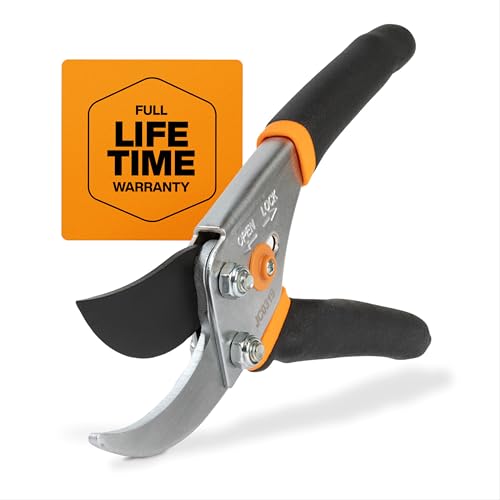
    Fiskars Bypass Pruning Shears, 5/8" Cut Capacity Gardening Scissors, Self-Cleaning Sap Groove Prevents Sticking, Non-Slip Grip for Cutting Stems & Branches, Sharp Steel Blades w/ Low-Friction Coating
    Fiskars Bypass Pruning Shears, 5/8" Cut Capacity Gardening Scissors, Self-Cleaning Sap Groove Prevents Sticking, Non-Slip Grip for Cutting Stems & Branches, Sharp Steel Blades w/ Low-Friction Coating

    CLEAN CUTS FOR LIVE GROWTH: Bypass blade design is ideal for pruning delicate flower stems and green growth, helping reduce crushing and plant damage while cutting stems and small branches up to 5/8” in diameter
    VIEW LATEST PRICE

    As an affiliate, we earn on qualifying purchases.

    DECERK® 8.5" Professional Pruning Shears - Cuts 4X Easier with Ultra Sharp Japanese Steel Titanium Blade, Arthritis Friendly Garden Scissors & Plant Clippers, Effortlessly Prunes 3/4" Branches
    DECERK® 8.5" Professional Pruning Shears - Cuts 4X Easier with Ultra Sharp Japanese Steel Titanium Blade, Arthritis Friendly Garden Scissors & Plant Clippers, Effortlessly Prunes 3/4" Branches

    Unbreakable sharpness! Japanese SK5 steel blade with titanium coating endures 100,000 cuts. Built for lifelong clean cuts

    VIEW LATEST PRICE

    As an affiliate, we earn on qualifying purchases.

    Importance of Pruning

    Pruning serves multiple purposes for fruit trees, even when they’re fruiting. It:

    • Improves air circulation, which reduces the risk of diseases.
    • Enhances sunlight exposure, encouraging better fruit quality.
    • Controls tree size, making harvesting easier.
    • Encourages new growth for future fruit production.

    Each of these factors contributes to the overall health of your tree, leading to improved yields in subsequent years.

    Different Pruning Techniques

    Several pruning techniques exist, each suited for specific conditions during the fruiting stage:

    • Thinning Cuts: This involves removing entire branches to allow light into the canopy. Thinning branches increases airflow and prevents overcrowded fruit, enhancing fruit size and quality.
    • Heading Cuts: Use this technique to shorten branches. Heading cuts stimulate new growth, which can produce additional fruit in the next season. It’s essential not to overdo this, as excessive cutting can stress the tree.
    • Maintenance Pruning: Regular checks allow you to remove dead or diseased branches during the fruiting phase. This practice keeps the tree healthy and can be performed without impacting your current harvest.
    • Summer Pruning: This technique involves selecting shoots and removing them during the growing season. Summer pruning can help redirect the tree’s energy, allowing for a more productive future harvest.
    MUST READ
    How to Control Japanese Beetles on Fruit Trees: Effective Strategies for a Healthy Harvest

    When pruning, always use sharp, clean tools to prevent injury and disease transmission to the tree. Be mindful of the tree’s overall health and remember that less intensive pruning during fruiting can still benefit your harvest.

    Pruning During Fruiting

    Pruning fruit trees while they are fruiting can enhance overall tree health and fruit quality. You can implement specific techniques to ensure your trees thrive without compromising your harvest.

    Recommended Products

    Fiskars 28" Loppers for Tree Trimming, Heavy Duty, Rust-Resistant Sharp Bypass Steel Blade Loppers, Branch Cutter up to 1.5" Diameter Cut Capacity, Shock-Absorbing Handle, Garden Tools
    Fiskars 28" Loppers for Tree Trimming, Heavy Duty, Rust-Resistant Sharp Bypass Steel Blade Loppers, Branch Cutter up to 1.5" Diameter Cut Capacity, Shock-Absorbing Handle, Garden Tools

    IDEAL BRANCH TRIMMER: 28" Steel blade garden bypass lopper that glides through up to 1.5" thick branches for easy cuts; Works well for trimming tree branches to maintain your yard and garden, and to encourage overall plant health and appearance

    VIEW LATEST PRICE

    As an affiliate, we earn on qualifying purchases.

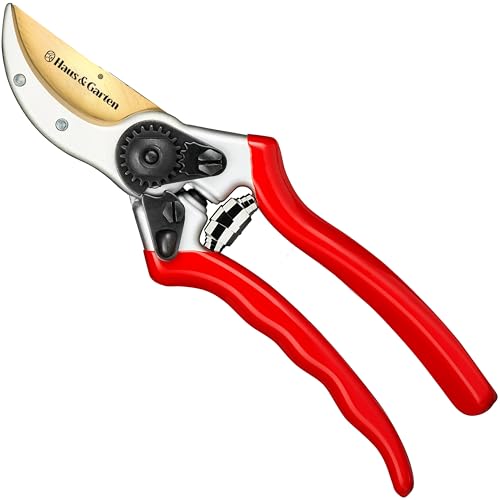
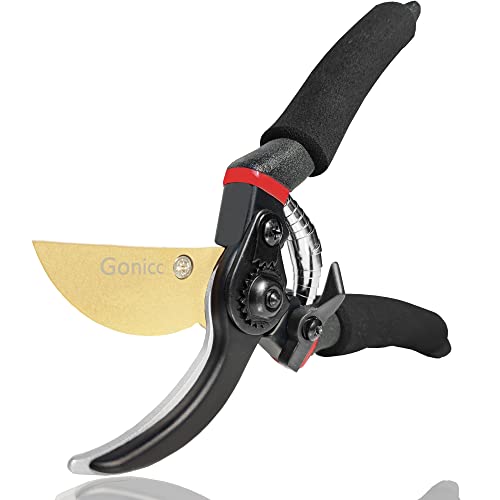
    gonicc 8" Professional Premium Titanium Bypass Pruning Shears (GPPS-1003), Hand Pruners, Garden Clippers, Bonsai Cutters
    gonicc 8" Professional Premium Titanium Bypass Pruning Shears (GPPS-1003), Hand Pruners, Garden Clippers, Bonsai Cutters

    Drop-forged construction delivers exceptional durability and sturdiness for long-term heavy garden use.

    VIEW LATEST PRICE

    As an affiliate, we earn on qualifying purchases.

    2-Pack Stainless Steel Gardening Scissors, Pruning Shears and Clippers for Gardening
    2-Pack Stainless Steel Gardening Scissors, Pruning Shears and Clippers for Gardening

    DUAL CUTTING POWER: VERSATILE PRUNING COMBO --- With both Pruning Shears and Pruning Snip, this combo delivers unmatched versatility. Whether you're delicately trimming flowers and shrubs, tackling thicker tree branches, or tending to your vegetable and fruit garden, our combo pack excels in all areas. They're also perfect for landscaping projects and maintaining the health and appearance of indoor plants. With this pack, you have a versatile tool that simplifies your gardening tasks.

    VIEW LATEST PRICE

    As an affiliate, we earn on qualifying purchases.

    Effects on Fruit Production

    Pruning during the fruiting phase may improve fruit size and quality. Thinning cuts can reduce overcrowding, allowing for better air circulation and sunlight exposure. Well-exposed fruit develops more uniformly, often leading to sweeter and larger yields. Additionally, heading cuts encourage new growth, which helps sustain production in future seasons. However, be cautious; excessive pruning in this stage can stress the tree, potentially impacting the current crop negatively.

    MUST READ
    When Does Pomegranate Tree Produce Fruit and How to Maximize Your Harvest

    Timing of Pruning

    Timing plays a crucial role in successful pruning during the fruiting period. Aim to prune when the fruit is mature but before severe weather occurs, like heavy storms. For most fruit trees, late summer or early fall is ideal. This timing helps the tree recover from cuts while still focusing energy on ripening existing fruit. If pruning during early fruiting, limit the amount you remove to prevent shock. Keeping a close eye on your tree’s health helps guide your decisions.

    Best Practices for Pruning

    Pruning fruit trees during the fruiting phase is manageable with the right approach. Following best practices helps ensure tree health while maintaining fruit production.

    Recommended Products

    Garden Grafting Tool Kits, ZALALOVA 2 in 1 Pruning Tools Including Grafting Knife Replacement Blades Grafting Tapes Rubber Bands and Labels for Plant Branch Vine Fruit Tree Cutting
    Garden Grafting Tool Kits, ZALALOVA 2 in 1 Pruning Tools Including Grafting Knife Replacement Blades Grafting Tapes Rubber Bands and Labels for Plant Branch Vine Fruit Tree Cutting

    PROFESSIONAL GARDENING GRAFTING TOOLS: Including 2 in 1 grafting pruning tools, 3 replaceable blades, a grafting knife, a screwdriver, a wrench, 2 grafting films, 160 rubber bands, 40 wide rubber bands, and 50 colorful tag cards

    VIEW LATEST PRICE

    As an affiliate, we earn on qualifying purchases.

    Upgrage Garden Grafting Tools, 2 in 1 Garden Pruning Tools Including Grafting Knife, Pruning Shears, Replacement Blades Grafting Tapes and Labels for Plant Branch Fruit Tree Cutting Pruner Tool Kits
    Upgrage Garden Grafting Tools, 2 in 1 Garden Pruning Tools Including Grafting Knife, Pruning Shears, Replacement Blades Grafting Tapes and Labels for Plant Branch Fruit Tree Cutting Pruner Tool Kits

    UPGRAFE PROFESSIONAL GARDENING GRAFTING TOOLS: Professional grafting set, including 2 in 1 grafting pruning tools, 3 replaceable blades, a grafting knife, a pruning shears, a screwdriver, a wrench, 3 grafting films, and 45 colorful tag cards

    VIEW LATEST PRICE

    As an affiliate, we earn on qualifying purchases.

    Pruning Trees, Shrubs & Vines: Storey's Country Wisdom Bulletin A-54 (Storey Country Wisdom Bulletin)
    Pruning Trees, Shrubs & Vines: Storey's Country Wisdom Bulletin A-54 (Storey Country Wisdom Bulletin)
    VIEW LATEST PRICE

    As an affiliate, we earn on qualifying purchases.

    Tools and Equipment Needed

    Use the following tools to facilitate effective pruning:

    • Hand Pruners: For small branches, choose sharp, bypass pruners.
    • Loppers: Use loppers for larger branches that hand pruners can’t manage easily.
    • Pruning Saw: Select a pruning saw for thicker branches.
    • Gloves: Wear gloves to protect your hands from thorns or sharp edges.
    • Disinfectant: Keep a disinfectant solution ready to clean your tools before and after use.
    MUST READ
    What Fruit Trees Grow Best in Minnesota for a Bountiful Backyard Orchard

    Steps for Successful Pruning

    Follow these steps to prune successfully during the fruiting season:

    1. Assess the Tree’s Condition: Examine the tree for excessive fruit load, dead branches, or signs of disease.
    2. Choose an Optimal Time: Prune late summer or early fall when fruit is mature but before harsh weather sets in.
    3. Identify Areas to Prune: Focus on crowded branches or those crossing each other. Thinning cuts improve air circulation.
    4. Make Clean Cuts: Cut just outside the branch collar for healthy regrowth and minimize damage.
    5. Limit Pruning Intensity: Avoid removing more than 20% of the tree’s canopy to reduce stress on the tree.
    6. Observe Tree Health: Monitor tree health post-pruning to ensure it recuperates well and maintains fruit production.

    By using these tools and following these steps, you can prune effectively during the fruiting season, supporting both current and future harvests.

    Signs That Pruning is Necessary

    Recognizing when to prune fruit trees while they are fruiting can greatly enhance their health and productivity. Look for specific signs that indicate pruning is beneficial.

    Identifying Overcrowded Branches

    Identifying overcrowded branches simplifies pruning decisions. Inspect the tree for branches that cross or closely grow together. Overcrowding restricts airflow and sunlight, increasing the risk of disease and poor fruit quality. Thinning out some branches promotes better air circulation, which helps fruits ripen evenly. Aim to retain well-spaced branches that allow light to penetrate and reach the fruit.

    Monitoring Tree Health

    Monitoring tree health plays a crucial role in determining pruning necessity. Look for symptoms such as yellowing leaves, stunted growth, or pest infestations. These indicators suggest the tree may struggle to support both growth and fruit production. If the tree shows signs of stress, timely pruning can redirect energy to healthy branches and fruit. Keeping an eye on overall health helps ensure the tree remains vigorous and productive.

    Conclusion

    Pruning fruit trees while they’re fruiting can be a game changer for both your current harvest and future yields. By using the right techniques and timing, you can enhance your tree’s health without sacrificing those delicious fruits.

    MUST READ
    What Are Grafted Fruit Trees: Benefits, Care Tips, and Grafting Techniques Explained

    Remember to keep an eye on your tree’s condition and adjust your pruning approach as needed. With a little care and attention, you’ll not only enjoy a bountiful harvest this season but also set the stage for even more fruitful years ahead. Happy gardening and enjoy those tasty fruits!

    Frequently Asked Questions

    Can you prune fruit trees while they’re fruiting?

    Yes, you can prune fruit trees while they are laden with fruit. Pruning during the fruiting phase can improve air circulation, enhance sunlight exposure, and maintain tree health without sacrificing the current harvest.

    What are the benefits of pruning fruit trees while they bear fruit?

    Pruning can lead to better fruit size and quality, improved air circulation to reduce disease risk, controlled tree size for easier harvesting, and stimulation of new growth for future seasons.

    What pruning techniques are recommended during the fruiting stage?

    Recommended techniques include thinning cuts to increase airflow, heading cuts to stimulate growth, maintenance pruning to remove dead branches, and summer pruning to redirect the tree’s energy effectively.

    When is the best time to prune fruit trees?

    The ideal time to prune fruit trees is late summer or early fall when fruits are mature but before severe weather. This timing allows the tree to recover while focusing on ripening.

    How much can you prune off a fruit tree during the fruiting phase?

    Limit pruning to no more than 20% of the canopy to avoid stressing the tree. This ensures that you maintain healthy growth and a productive crop.

    What tools are best for pruning fruit trees?

    Use sharp, clean tools such as hand pruners, loppers, and pruning saws. It’s also essential to have gloves and disinfectant on hand for safety and hygiene practices.

    What signs indicate pruning is necessary?

    Look for overcrowded branches blocking airflow, yellowing leaves, stunted growth, or pest infestations. These symptoms indicate that pruning may enhance the tree’s health and productivity.

    What should I do after pruning my fruit tree?

    Observe the tree’s health post-pruning. Ensure it receives adequate water and nutrients, and monitor for any signs of stress or disease during the recovery period.

    Share. Facebook Twitter Pinterest LinkedIn Tumblr Email
    martha jackson
    Martha Jackson

      Martha Jackson is an accomplished freelance writer and editor with a strong interest in gardening. With a degree in English from the University of California, Berkeley, Martha has over 15 years of experience writing for a variety of publications. She is passionate about making gardening accessible to all and is always seeking out new techniques and innovations.

      Related Posts

      How Long Until Avocado Trees Bear Fruit and Tips for Faster Growth at Home

      February 20, 2025

      What Yellow Fruit Grows on Trees and Their Delicious Health Benefits

      February 20, 2025

      How to Air Layer Fruit Trees: A Step-by-Step Guide for Successful Propagation

      February 20, 2025

      When Do Grapefruit Trees Produce Fruit and How to Maximize Your Harvest

      February 20, 2025

      What Is a Fast Growing Fruit Tree: Discover Quick-Yield Options for Your Garden

      February 20, 2025

      Do Cherry Blossom Trees Have Fruit? Discover the Truth About Their Edibility and Benefits

      February 20, 2025
      Leave A Reply Cancel Reply

      Affiliate Disclosure

      As an Amazon Associate I earn from qualifying purchases.

      Recommended Reading

      Can Lime Trees Grow in Nebraska? Great Plains Growth Guide

      What Does a Baby Grapefruit Tree Look Like? Care Tips and Visual Cues for Healthy Growth

      Why My Pear Tree Doesn’t Bear Fruit: Common Reasons and Health Tips for a Bountiful Harvest

      How to Cover Fruit Trees for Ultimate Frost and Pest Protection Techniques

      Nectarine Trees in Nebraska (Wind Protection and Soil Secrets)

      Does the Dude Pruner Deliver Results? A Comprehensive Review

      Which World Tree Only Produces Fruit Every Three Thousand Years: Unveiling Its Mystical Significance

      What Fruit Tree to Plant in Small Garden for Maximum Yield and Space Efficiency

      When do you prune apricot trees?

      Is Loquat Tree Pollen Allergenic

      Fruit Tree Hub

      Fruit Tree Hub is a website dedicated to providing you everything you need to grow fruit trees successfully at in your own yard.

      Contact us at: [email protected]

      - AFFILIATE DISCLOSURE: As an Amazon Associate I earn from qualifying purchases.

      Latest Posts

      Growing Mango Trees in New York (Upstate Soil and Winter Tips)

      Can Pomegranate Trees Grow in a Pot in Tennessee? Expert Tips

      Mulberry Trees in a Pot in North Carolina: Piedmont Regional Tips

      Growing Star Fruit Trees in a Pot in South Carolina (Pro Advice)

      Orange Trees in District of Columbia (Urban Microclimate Tips)

      Mulberry Trees in a Pot in Virginia: Expert Advice for Gardeners

      Walnut Trees in a Pot in New York City, NY (Rooftop Tips)

      Pear Trees in a Pot in Massachusetts (Coastal Growth Manual)

      Categories
      • Almond Trees
      • Apple Trees
      • Apricot Trees
      • Best Fruit Trees
      • Blackberry
      • Cantaloupe
      • Cherry Trees
      • Crochet Ideas
      • Crochet Ideas for Beginners
      • Cucamelon
      • Easy Crochet Ideas
      • Easy Knitting Projects
      • Fig Trees
      • Grapefruit Trees
      • Grapes
      • Guava Trees
      • Honeydew
      • Jujube Trees
      • Kiwi
      • Knitting For Beginners
      • Knitting Ideas
      • Knitting Inspiration
      • Lemon Trees
      • Lime Trees
      • Loquat Trees
      • Mango Trees
      • Mulberry Trees
      • Nectarine Trees
      • Olive Trees
      • Orange Trees
      • Papaya Trees
      • Peach Trees
      • Pear Trees
      • Persimmon Trees
      • Planting
      • Plum Trees
      • Pomegranate Trees
      • Quince Trees
      • Raspberry
      • Reviews
      • Small Crochet Ideas
      • Star Fruit Trees
      • Summer Crochet Ideas
      • Tamarind Trees
      • Tangerine Trees
      • Tips and Advice
      • Tools
      • Uncategorized
      • Walnut Trees
      © 2026 Fruit Tree Hub
      • Home
      • About Us
      • Contact
      • Privacy Policy
      • Terms and Conditions
      • Disclaimer
      • Editorial Policy
      • Affiliate Disclosure

      Type above and press Enter to search. Press Esc to cancel.