

Wondering if you can prune your fruit trees in winter? You’re not alone. Many gardeners face this question as they prepare their yards for the colder months. While some might think spring is the only time for pruning, winter can actually be a great opportunity to give your trees some much-needed attention.
Key Takeaways
- Pruning Timing: Winter is an ideal time for pruning fruit trees, as they are dormant and less stressed, allowing for healthier growth in spring.
- Pruning Techniques: Utilize thinning cuts, heading cuts, renewal pruning, and pinching to enhance tree health, promote new growth, and increase fruit production.
- Benefits of Winter Pruning: Improves tree health, boosts growth, allows better air circulation, and helps in disease control by removing dead or infected branches.
- Specific Needs by Tree Type: Different fruit trees, such as apple, peach, and citrus, have tailored pruning needs, making it essential to understand the unique requirements of each species.
- Essential Tools: Use sharp pruning shears, loppers, and pruning saws, along with gloves and safety glasses, to ensure effective and safe pruning practices.
Understanding Pruning Fruit Trees
Pruning fruit trees is crucial for their health and productivity. Winter pruning not only helps shape the trees but also encourages better fruit production in the coming season.
Importance of Pruning
Pruning enhances fruit quality and tree health. It removes dead or diseased branches, allowing sunlight to reach the healthier parts of the tree. Improved air circulation reduces the risk of fungal diseases. Regular pruning encourages more vigorous growth and maximizes fruit yields.
- Thinning Cuts: Remove entire branches to improve light exposure and airflow within the tree. This technique promotes the growth of larger, healthier fruit.
- Heading Cuts: Shorten branches to stimulate new growth. This method works well on young trees, as it encourages branching and a fuller canopy.
- Renewal Pruning: Focus on older trees by cutting back older limbs to encourage new growth. This rejuvenates the tree and enhances fruit production.
- Pinching: Use fingers or hand pruners to remove small shoots. This simple method promotes lateral growth and allows the tree to focus energy on producing fruit.
- Winter Pruning: Conduct major pruning during dormancy when trees are less stressed. This encourages a burst of spring growth, leading to better fruit production.
By understanding these techniques, you can effectively manage your fruit trees’ health and productivity all year round.
Timing for Pruning
Pruning fruit trees in winter requires careful timing. You can enhance tree health and fruit yield by knowing when to prune.
Recommended Products
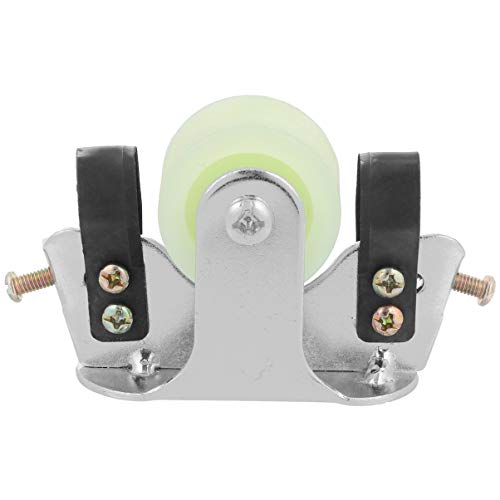
Core Girdling Action: This Girdling Cutter for Fruit Tree removes a ring of bark to help redirect nutrients upward after the wound heals, supporting flower bud formation and fruit set while giving growers a practical Peeling Pruning Tool for seasonal orchard care

1:EXTENDABLE REACH FOR LADDER-FREE SAFETY – Acting as both a reliable tree pruner and a fruit picker pole, this tool effortlessly extends from 3.28 to 5.25 FT to reach high branches up to 10 FT from the ground. The innovative rotating and locking head allows for precise angles without unstable ladders or risky stretching, ensuring maximum safety.
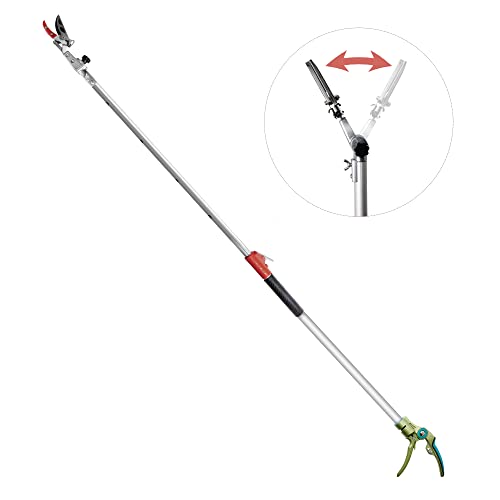
[Helpful Garden Tool] GARTOL brings to you a lightweight and extendable pruning tool to reach out to the least approachable arenas of your garden. You can conveniently get across other plants to remove the fastgrowing brambles and sting nettles without getting scratched or hurt. For gardening lovers, the telescopic pruner cutter head can can be rotated which resolves mobility issues and gives you the pleasure of trimming your garden without bending down or using a ladder to climb and cut them.
Seasonal Considerations
Consider the tree’s dormant period for winter pruning. Dormancy typically occurs from late fall to early spring, depending on your climate. Aim to prune during this time for minimal stress on the tree. If temperatures drop below 20°F (-6°C) consistently, wait until temperatures rise. Always assess local weather patterns for the best timing.
Winter Pruning Benefits
Winter pruning offers several benefits.
- Improved Growth: Pruning during dormancy encourages vigorous spring growth. You’ll notice increased leaf and fruit production as the season progresses.
- Better Air Circulation: Removing excess branches in winter allows better airflow when temperatures rise, reducing the risk of fungal diseases.
- Better Visibility: With fewer leaves on the trees, you can see the tree structure clearly, making it easier to identify weak or diseased branches to trim.
- Disease Control: Cold temperatures can help deter disease. Pruning dead or infected branches in winter can prevent the spread of disease in the spring.
You can promote the health and productivity of your fruit trees effectively by timing your pruning right.
Steps for Pruning in Winter
Pruning fruit trees in winter involves specific steps to ensure optimal results. Following these guidelines makes the process straightforward.
Recommended Products

★ 1. What you get: Professional convenient grafting tool set including a dual-use grafting pruner tool contain 2 extra replaceable blades, a wrench and a screwdriver, along with 36pcs wide rubber bands, 150 thick rubber bands and 1 grafting tape, packed in a black wallet to meet all your needs

6-Piece Grafting Tool Set: Includes one SK5 steel grafting cutter, one 2CR13 steel grafting knife, three rolls of tape (1 white, 2 green), and one twist tie for complete propagation

[Cut & Hold Pole Pruner for Tree Trimming] This long reach cut and hold pruner makes it easy to grip and remove branches, flowers, or fruit without dropping them. Perfect as a pole fruit picker for harvesting lemons, oranges, apples, or persimmons, and for trimming shrubs and bushes without climbing a ladder.
Tools Needed
- Pruning Shears: Use these for small branches. Ensure the blades are sharp for clean cuts.
- Loppers: Choose these for branches up to 1.5 inches thick. They provide better leverage for thicker limbs.
- Pruning Saw: Turn to a saw for larger branches. It helps you tackle thick wood without damaging the tree.
- Gloves: Wear gardening gloves to protect your hands. This will also give you a better grip on tools and branches.
- Safety Glasses: Protect your eyes from falling debris. Safety should always come first.
- Thinning Cuts: Focus on removing entire branches at their base. This opens up the canopy, allowing light to penetrate the tree.
- Heading Cuts: Cut back a branch to a bud or a lateral branch. This encourages the growth of new shoots and increases fruit production.
- Renewal Pruning: For older trees, remove older branches close to the trunk. This stimulates new growth and rejuvenates the tree.
- Pinching: Pinch off new shoots at their tips to promote lateral growth. It helps shape the tree and improve fruiting potential.
- Clean Cuts: Make sure to cut at an angle to promote quick healing. This reduces risk for disease and encourages faster recovery.
By adhering to these steps and techniques, you’ll maintain healthy fruit trees that produce abundant harvests each season.
Common Fruit Trees and Their Pruning Needs
Different fruit trees have specific pruning requirements that can vary based on species and climate. Here’s a breakdown of common fruit trees and how to approach their winter pruning.
Recommended Products

LONG-LASTING SHARPNESS: Japanese SK5 bypass blade with titanium coating is tested through 5,000 cuts to maintain a sharp edge and deliver clean, consistent cuts on live stems and branches

Reduce Hand Strain: These micro tip snips are made to reduces hand fatigue which makes them great for those with arthritis, carpal tunnel, hand or wrist issues; Comfortable “grip” handles will make it easy to work for long-time use without making you feel hand pain

DUAL CUTTING POWER: VERSATILE PRUNING COMBO --- With both Pruning Shears and Pruning Snip, this combo delivers unmatched versatility. Whether you're delicately trimming flowers and shrubs, tackling thicker tree branches, or tending to your vegetable and fruit garden, our combo pack excels in all areas. They're also perfect for landscaping projects and maintaining the health and appearance of indoor plants. With this pack, you have a versatile tool that simplifies your gardening tasks.
Apple Trees
Apple trees benefit from winter pruning because it encourages stronger growth and better fruit production. Focus on the following steps:
- Remove Dead or Diseased Wood: Start by cutting away any dead, damaged, or diseased branches. This enhances tree health and reduces disease spread.
- Thin Out Crowded Branches: Aim to open up the canopy. Selectively remove some outer branches to let in light and improve air circulation.
- Shape the Tree: Maintain a central leader by shortening lateral branches. This promotes a strong structure and helps with fruiting. Make cuts just above a healthy bud.
Timing is key. Prune when the tree is dormant, ideally between January and March in colder areas.
Peach Trees
Peach trees require more frequent pruning due to their vigorous growth. Here’s how to prune them effectively in winter:
- Focus on Structure: Like apple trees, peach trees benefit from forming an open center. Remove thin shoots and any branches growing inward.
- Encourage Horizontal Growth: Cut back new growth from the previous season by about one-third to promote lateral branching, which produces fruit more effectively.
- Remove Suckers: Eliminate suckers that grow from the base or trunk. These divert energy from fruit production.
Prune peach trees during late winter, just before flowering begins, ensuring optimal fruit set.
Citrus Trees
Citrus trees have unique requirements when it comes to winter pruning. Consider the following:
- Minimal Pruning Needed: Citrus trees generally require less pruning than apple or peach trees. Only focus on dead or crossing branches.
- Encourage Air Circulation: Lightly thin out inner branches to allow sunlight penetration and air flow. This step helps prevent diseases.
- Maintain Shape: Keep the tree compact by trimming back excessively long branches. Aim for a balanced shape.
Prune citrus trees in late winter for the best results, just before new growth starts.
Conclusion
Pruning your fruit trees in winter can be a game changer for their health and productivity. By taking the time to prune during the dormant season you’re setting the stage for a bountiful harvest come spring. Remember to choose the right techniques for each type of tree to ensure you’re maximizing growth and fruit quality.
Don’t forget to keep an eye on the weather and make those cuts when temperatures are favorable. With the right tools and a little know-how you can transform your fruit trees into thriving plants that bear delicious fruit for years to come. Happy pruning!
Frequently Asked Questions
Can I prune fruit trees in winter?
Yes, winter is a great time to prune fruit trees. It allows for better visibility of the tree structure and encourages healthy spring growth.
Why is winter pruning important for fruit trees?
Pruning in winter helps remove dead or diseased branches, improves sunlight exposure, and increases air circulation, reducing the risk of fungal diseases.
What are some techniques for pruning fruit trees in winter?
Some common techniques include thinning cuts for light exposure, heading cuts to stimulate growth, renewal pruning for older trees, and pinching for lateral growth.
When should I prune fruit trees in winter?
Pruning should be done during the tree’s dormant period, typically from late fall to early spring, avoiding extremely cold temperatures below 20°F (-6°C).
What tools do I need for winter pruning?
You’ll need pruning shears, loppers, a pruning saw, gloves, and safety glasses to effectively and safely prune your fruit trees in winter.
How does winter pruning affect fruit quality?
Proper winter pruning enhances fruit quality by promoting better air circulation and sunlight exposure, leading to healthier trees and more abundant fruit production.
What are the specific pruning needs for apple trees?
For apple trees, prune during dormancy from January to March by removing dead wood, thinning crowded branches, and shaping the tree for better growth.
How should I prune peach trees in winter?
Prune peach trees in late winter before flowering. Focus on the structure and encourage horizontal growth to maximize fruit yield.
What is the best time to prune citrus trees?
Citrus trees should be pruned in late winter, just before new growth starts, mainly focusing on removing dead branches and maintaining shape.
