

Apple trees can successfully grow in Maryland, particularly in the Mid-Atlantic region. Selecting the right varieties and following specific growing tips will enhance your chances of a fruitful harvest.
Maryland Climate Insights for Apple Cultivation
Understanding Maryland’s unique climate is crucial for successful apple cultivation. The region’s temperature variations, humidity levels, and seasonal changes can significantly impact tree growth and fruit production. This section delves into the specific climatic factors that aspiring apple growers in Maryland should consider to optimize their orchards.
Maryland’s climate features a humid subtropical zone, ideal for apple cultivation. The state experiences warm summers and cold winters, providing a suitable environment for apple trees. However, understanding local weather patterns is crucial for successful growth.
Average temperature ranges from 30°F to 90°F
Frost dates typically fall between late March and early April
Rainfall averages around 40 inches annually
Choose the Right Apple Tree Varieties
Selecting the appropriate apple tree varieties is crucial for successful cultivation in Maryland’s unique climate. With its varying temperatures and soil conditions, understanding which types thrive in the Mid-Atlantic region will enhance your chances of a fruitful harvest. This section will guide you through the best apple tree options suited for Maryland’s environment.
Selecting the appropriate apple tree varieties is essential for thriving growth in Maryland. Certain varieties perform better in the Mid-Atlantic climate due to their adaptability to local conditions.
| Variety | Flavor Profile | Harvest Time | Disease Resistance |
|---|---|---|---|
| Honeycrisp | Sweet and crisp | Late September | High |
| Fuji | Sweet and juicy | Late September | Moderate |
| Granny Smith | Tart and crisp | Early October | High |
| Gala | Sweet and aromatic | Early September | Moderate |
Recommended Products

Live Fruit-Bearing Apple Tree – Grow your own Gravenstein apples, a classic heirloom variety known for its sweet-tart flavor and crisp texture, perfect for fresh eating, baking, and cider-making


Live Fruit-Bearing Apple Tree – Grow your own McIntosh apples, a beloved heirloom variety known for its sweet-tart flavor, juicy texture, and bright red skin, perfect for fresh eating, applesauce, baking, and cider-making
Soil Preparation for Apple Trees in Maryland
Preparing the soil is a crucial step for successfully growing apple trees in Maryland. The right soil conditions can significantly impact tree health and fruit production. This section outlines essential soil preparation techniques tailored for the unique climate and soil types found in the Mid-Atlantic region.
Proper soil preparation is vital for healthy apple tree growth. Maryland soils vary, so conducting a soil test can help determine pH and nutrient levels.
Aim for a soil pH of 6.0 to 7.0
Incorporate organic matter to improve drainage
Ensure the soil is well-aerated
Soil Testing for Apple Tree Growth
Soil testing is a crucial step for anyone looking to cultivate apple trees in Maryland. Understanding the nutrient composition and pH levels of your soil can significantly influence the health and productivity of your trees. This section will explore the importance of soil testing and provide guidance on how to effectively assess your soil for optimal apple tree growth.
Test the soil for pH and nutrient levels.
Amend the soil with compost or well-rotted manure.
Till the soil to a depth of at least 12 inches.
Create planting holes that are twice the width of the root ball.
Irrigation Strategies for Young Apple Trees
Establishing young apple trees in Maryland requires careful attention to irrigation strategies to ensure healthy growth and development. Proper watering techniques can significantly influence the establishment of roots and overall tree vitality. This section explores effective irrigation methods tailored to the unique climate and soil conditions of the Mid-Atlantic region.
Adequate watering is crucial, especially during dry spells. Young apple trees require more frequent watering to establish roots.
Water deeply once a week during dry periods
Use mulch to retain soil moisture
Avoid overwatering to prevent root rot
Recommended Products
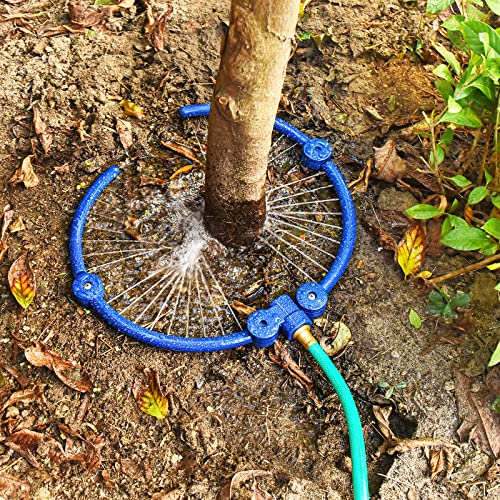
【Specially Designed for Trees and Shrubs】 The Watering Ring is a multi-purpose irrigation ring that attaches to a garden hose to efficiently water young trees shrubs vegetables or flower beds using drip or trickle irrigation.It directs water to the root perimeter of the plant to give them a good start during the first two growing seasons or through periods of drought.

【Even & Consistent Root Watering】Features micro-pore seepage technology that distributes water evenly along the entire hose, transforming spot watering into uniform line watering directly to plant roots. Unlike traditional drip irrigation systems with clog-prone emitters, this soaker hose creates a continuous moisture band for healthier, deeper-rooted plants
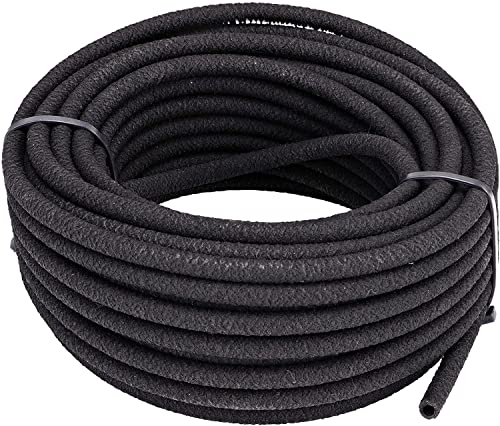
Slowly waters the soil around your plants for complete root zone hydration; Ideal for short runs on flat surfaces, such as vegetable gardens, borders, and around small plants
Drip Irrigation Techniques for Apple Trees
Drip irrigation is an effective method for nurturing apple trees, particularly in Maryland’s varying climate. This technique delivers water directly to the root zone, promoting healthy growth and fruit production while conserving water. Understanding the best practices for implementing drip irrigation can significantly enhance your apple orchard’s success in the Mid-Atlantic region.
Drip irrigation provides consistent moisture directly to the roots.
Soaker hoses can be laid around the base of the tree for even watering.
Rain barrels can collect rainwater for sustainable irrigation.
Integrated Pest Control for Apple Trees
Managing pests effectively is crucial for the health and productivity of apple trees in Maryland’s unique climate. Integrated pest control combines various strategies to minimize damage while promoting a balanced ecosystem. Understanding these methods can significantly enhance your apple-growing success in the Mid-Atlantic region.
Apple trees are susceptible to various pests and diseases. Implementing an integrated pest management strategy will help minimize damage.
Monitor for common pests like aphids and codling moths
Use organic pesticides when necessary
Prune trees to improve air circulation and reduce disease risk
Recommended Products

TRIPLE PROTECTION FORMULA: 3-in-1 solution kills listed insects, controls listed diseases, and controls listed mites with one easy application


[Sturdy Material for Outdoor Use]: designed with reliable and sturdy PP material, these hanging sticky papers are crafted to withstand outdoor conditions; They are highly suitable for placement around apple trees, orchards, and home gardens to help you observe and monitor the environment
Pest Management Strategies for Apple Trees
Effective pest management is crucial for the health and productivity of apple trees in Maryland’s unique climate. Understanding common pests and implementing targeted strategies can help ensure a successful harvest. This section explores various methods to protect your apple trees from pests while promoting sustainable growing practices.
| Pest | Symptoms | Control Method |
|---|---|---|
| Aphids | Curling leaves | Insecticidal soap |
| Codling Moth | Wormy apples | Pheromone traps |
| Apple Scab | Dark spots on leaves | Fungicide application |
Pruning Strategies for Apple Tree Vitality
Pruning is essential for maintaining the health and productivity of apple trees, especially in Maryland’s unique climate. Proper techniques not only encourage robust growth but also enhance fruit quality and yield. This section explores effective pruning strategies tailored to the needs of apple trees in the Mid-Atlantic region.
Pruning is essential for maintaining the shape and health of apple trees. Proper techniques can lead to better air circulation and fruit production.
Prune during late winter or early spring
Remove dead or diseased branches
Thin out crowded areas to allow sunlight penetration
Pruning Techniques for Apple Trees
Pruning is essential for maintaining healthy apple trees and maximizing fruit production, especially in Maryland’s unique climate. Understanding the right techniques can help ensure your trees thrive and produce a bountiful harvest. This section will explore effective pruning methods tailored for apple trees in the Mid-Atlantic region.
Assess the tree’s structure for necessary cuts.
Use sharp pruning shears to make clean cuts.
Remove suckers that grow from the base.
Shape the tree to promote an open center.
Fertilizer Timing for Apple Tree Growth
Understanding the optimal timing for fertilizing apple trees is crucial for successful growth in Maryland’s unique climate. Proper nutrient application can enhance fruit quality and overall tree health, ensuring a bountiful harvest. This section will explore the best practices for fertilizing apple trees, tailored specifically for the Mid-Atlantic region.
Fertilizing apple trees ensures they receive essential nutrients for growth. The right timing and type of fertilizer can significantly impact fruit production.
Apply a balanced fertilizer in early spring
Use slow-release formulas to provide nutrients over time
Avoid over-fertilizing to prevent excessive vegetative growth
Mid-Atlantic Apple Tree Fertilization Guide
Fertilizing apple trees is essential for healthy growth and fruit production, especially in the Mid-Atlantic region. This guide provides specific recommendations tailored to Maryland’s unique climate and soil conditions, ensuring your apple trees receive the nutrients they need to thrive. Understanding the right fertilization techniques will help you cultivate a bountiful harvest.
| Month | Action |
|---|---|
| March | Apply balanced fertilizer |
| June | Side-dress with nitrogen |
| September | Use potassium-rich fertilizer |
Optimal Apple Harvesting Indicators
Understanding the optimal indicators for apple harvesting is crucial for maximizing yield and quality in Maryland’s unique climate. By recognizing the signs that apples are ready for harvest, growers can ensure they pick at the right time, enhancing flavor and texture while minimizing waste. This section delves into the key factors to consider for successful apple harvesting in the Mid-Atlantic region.
Harvesting apples at the right time is crucial for flavor and texture. Observing color and firmness will guide you in determining the ideal harvest time.
Check for color changes in the skin
Gently twist the apple to see if it detaches easily
Taste a sample to assess sweetness
Apple Tree Harvesting Techniques
Harvesting apples at the right time and using effective techniques is crucial for maximizing yield and quality in Maryland’s climate. Understanding the best practices for picking and handling apples can ensure that your trees produce fruit that is not only abundant but also flavorful. This section explores various methods tailored to the unique growing conditions of the Mid-Atlantic region.
Wear gloves to protect your hands.
Use a picking pole for high branches.
Place apples gently in baskets to avoid bruising.
Store harvested apples in a cool, dark place.
Seasonal Monitoring for Apple Tree Care
Effective seasonal monitoring is crucial for the health and productivity of apple trees in Maryland’s unique climate. Understanding the specific needs of these trees throughout the year can help ensure a bountiful harvest. This section will explore key practices for monitoring and maintaining apple trees across the growing seasons in the Mid-Atlantic region.
Seasonal changes in Maryland can affect apple tree growth. Regular monitoring will help you adapt care practices as needed.
Keep an eye on frost dates in spring and fall
Adjust watering based on rainfall patterns
Prepare for winter by mulching around the base
Be vigilant for signs of stress or disease throughout the growing season.
