

Ever wondered if you can grow a fruit tree in a pot? If you live in a small space or want to add some greenery to your balcony, this question might be on your mind. You’re not alone—many people are looking for ways to enjoy fresh fruit without needing a sprawling backyard.
Key Takeaways
- Potted Fruit Trees: Growing fruit trees in pots is a viable option, especially for those with limited space, such as balconies or patios.
- Benefits: Container gardening offers advantages like space efficiency, mobility, easy access for care, soil control, and reduced pest risks.
- Challenges: Be aware of potential drawbacks, including limited root growth, more frequent watering needs, temperature fluctuations, nutrient loss, and the necessity for regular pruning.
- Tree Selection: Choosing appropriate fruit trees, such as dwarf citrus, figs, and cherries, is crucial for successful pot growth, considering factors like climate, space, sunlight, yield expectations, and pollination needs.
- Care Techniques: Regular watering, fertilization with a balanced, slow-release fertilizer, and appropriate pruning techniques are essential for maintaining potted fruit trees.
- Optimal Conditions: Use a suitable container (12-18 inches deep), well-draining soil, and ensure good drainage to foster ideal growth conditions for your fruit trees.
Understanding Potted Fruit Trees
Growing fruit trees in pots offers a practical solution for those with limited space. You can cultivate a variety of fruits while enjoying the benefits of container gardening.
Benefits of Growing Fruit Trees in Pots
- Space Efficiency: You utilize smaller areas, perfect for balconies, patios, or small yards.
- Mobility: You can move pots to optimize sunlight and protect trees from extreme weather.
- Easy Access: You enjoy convenient harvesting and care without bending or stretching.
- Soil Control: You select the soil quality, ensuring trees receive optimal nutrients.
- Pest Management: You reduce risks of invasive pests and diseases commonly found in garden soil.
- Limited Space: You restrict root growth, leading to smaller trees and reduced fruit yield.
- Watering Needs: You must monitor moisture levels closely, as pots can dry out quickly.
- Temperature Fluctuations: You expose roots to temperature extremes more than in-ground trees.
- Nutrient Loss: You need to fertilize regularly, as nutrients deplete faster in pots.
- Pruning Requirements: You may require additional pruning to maintain size and health in limited space.
Selecting the Right Fruit Tree
Selecting the right fruit tree is vital for successful growth in pots. Your choice affects yield, ease of care, and overall enjoyment of your potted garden.
Recommended Products
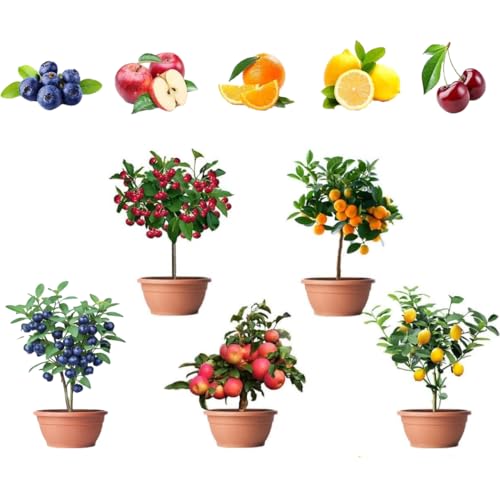
Variety Pack of 5 Fruits: Includes 40 Lemon seeds, 40 Orange seeds, 40 Apple seeds, 20 Cherry seeds, and 20 Blueberry seeds for a colorful and diverse home garden

Product Quantity: 180+ premium bonsai fruit seeds across 5 varieties; Individual packs contain 40+ apple, 40+ lemon, 40+ orange, 20+ blueberry, and 40+ cherry seeds; Perfect for starting a diverse miniature orchard

Package: 5 Individual Packs, 40+ Lemon Tree Seeds 40+ Cherry Tree Seeds 40+ Orange Tree Seeds 40+ Apple Seeds 20+ Blueberry Seeds
Best Types of Fruit Trees for Pots
- Dwarf Citrus Trees: Dwarf varieties like lemon or lime trees thrive in pots. They reach 3 to 4 feet, perfect for patios or balconies.
- Fig Trees: Fig trees, especially the Petite Negra, grow well in containers and produce sweet, succulent fruits.
- Cherry Trees: Consider dwarf cherry trees like the ‘Stella’ for compact growth and abundant, delicious cherries.
- Apple Trees: Choices like ‘Honeycrisp’ or ‘Fuji’ dwarf apple trees fit well in pots, yielding crisp fruit.
- Peach Trees: Varieties such as ‘Bonanza’ adapt nicely to pot life, providing juicy peaches.
- Climate: Choose trees suited to your climate zone. Some varieties tolerate cold better than others.
- Space: Assess your available space. Dwarf varieties are compact, needing less room for roots and growth.
- Sunlight Needs: Ensure the chosen tree fits your sunlight conditions. Most fruit trees prefer full sun.
- Yield Expectations: Consider how much fruit you want. Some trees produce heavily in small pots, while others may yield less.
- Pollination Requirements: Check if your chosen variety needs another tree for pollination. Self-pollinating types offer more flexibility.
Essential Care for Potted Fruit Trees
Caring for potted fruit trees involves specific techniques to ensure their health and productivity. Focus on watering, fertilizing, and maintaining the trees to optimize growth.
Recommended Products

FORMULATED FOR CITRUS AND FRUIT TREES: Use these citrus fertilizer spikes on apple, orange, lemon, lime, and avocado trees; this formula is also great for feeding palm trees

Package contains 4 Pounds organic fruit and citrus fertilizer grains and is produced to avoid wasteful runoff, mess, hazards and smells

FOR USE ON: Use Citrus-tone organic fertilizer for all citrus trees, including lemon, lime, orange, Meyer Lemon Trees as well as for avocado & nut trees
Watering and Fertilization Techniques
Watering needs for potted fruit trees differ from in-ground trees. Check the moisture level in the soil regularly.
- Consistency: Water your trees when the top inch of soil feels dry.
- Drainage: Ensure your pots have drainage holes to prevent root rot.
- Fertilization: Use a balanced, slow-release fertilizer specifically designed for fruit trees, applying it every 6-8 weeks during the growing season.
- Nutrients: Consider adding organic matter like compost to enrich the soil both during planting and as a top dressing.
Pruning and Maintenance Tips
Regular pruning fosters good tree structure and enhances fruit production. Implement these tips for effective maintenance:
- Timing: Prune in late winter or early spring while the tree is dormant.
- Technique: Remove dead or unhealthy branches and thin out crowded areas for improved air circulation.
- Shaping: Maintain a central leader for better sunlight exposure and balanced growth.
- Monitoring: Keep an eye out for pests and diseases, treating them promptly to avoid further complications.
By following these care guidelines, your potted fruit trees thrive, providing you with fresh fruit right at your doorstep.
Ideal Potting Conditions
For successful fruit tree growth in pots, you must establish ideal potting conditions. These conditions enhance tree health and fruit production, making your efforts rewarding.
Recommended Products

NATURAL AND ORGANIC NUTRIENT RICH FERTILIZER: We’re on a mission to get America growing again and it all starts with what’s right beneath us — your soil; Grow a bountiful garden in your home with the Back to the Roots All-Purpose Peat-Free Potting Mix, packed with the nutrients needed for your plants, flowers, and vegetables to thrive

Enriched with Organic Fertilizer – This lemon tree fertilizer provides nutrients for up to 6 months, so your citrus trees stay healthy and productive with minimal upkeep.

Tailored for Avocado Trees: Specifically designed to meet the nutritional needs and pH requirements of avocado trees for healthy, vigorous growth.
Choosing the Right Container
Choosing the right container significantly impacts your fruit tree’s growth. Select a pot that’s at least 12-18 inches in depth and diameter for small trees, ensuring ample root space. Opt for materials like terracotta, ceramic, or high-quality plastic, as these provide durability and insulation. Ensure the container has drainage holes to prevent root rot. Elevate the pot using pot feet or bricks for better airflow.
Soil Requirements for Fruit Trees
Soil quality directly affects your fruit tree’s health. Use a well-draining potting mix designed for fruit trees. Look for blends that contain organic matter, like compost, to provide nutrients. The pH level should ideally range from 6.0 to 7.0. You can add perlite or vermiculite to enhance drainage. Regularly test the soil for nutrient levels and adjust fertilization based on results.
Conclusion
Growing fruit trees in pots can be a rewarding experience that brings fresh flavors right to your home. With the right tree selection and care techniques you can enjoy the beauty and bounty of fruit trees even in small spaces.
Remember to choose a suitable pot and soil mix to give your tree the best chance to thrive. Regular maintenance like watering pruning and fertilizing will keep your tree healthy and productive.
So whether you’ve got a cozy balcony or just a sunny corner in your yard don’t hesitate to dive into the world of potted fruit trees. You might just find that the joy of gardening and the taste of homegrown fruit are closer than you think.
Frequently Asked Questions
Can I grow fruit trees in pots?
Yes, you can grow fruit trees in pots! Many fruit trees thrive in containers, making them ideal for small spaces, balconies, or patios. Choosing the right type of tree and pot is essential for successful growth.
What types of fruit trees are best for pots?
Recommended fruit trees for pots include dwarf citrus trees, fig trees, dwarf cherry trees, dwarf apple trees, and peach trees. These varieties are space-efficient and produce good yields in containers.
How do I care for potted fruit trees?
Care for potted fruit trees involves consistent watering, applying a balanced slow-release fertilizer every 6-8 weeks, and regular pruning for maintenance. Monitoring for pests and diseases is also crucial for healthy growth.
What size pot should I use for my fruit tree?
Choose a pot that is at least 12-18 inches deep and wide for your fruit tree. Ensure it is made from durable materials with drainage holes to promote healthy root growth and prevent waterlogging.
How often should I water my potted fruit trees?
Potted fruit trees need consistent watering. Check the soil moisture regularly, and water when the top inch of soil feels dry. Ensure proper drainage to avoid root rot and overwatering.
Can potted fruit trees survive winter?
Yes, but potted fruit trees are more susceptible to temperature fluctuations. To protect them in winter, move pots to a sheltered location, insulate containers, or wrap them with materials to retain heat.
Do I need to fertilize my potted fruit trees?
Yes, fertilizing is important for potted fruit trees as nutrients can become depleted. Use a balanced, slow-release fertilizer every 6-8 weeks during the growing season to support growth and fruit production.
How do I ensure proper drainage for my potted fruit trees?
To ensure proper drainage, use pots with drainage holes and select a well-draining potting mix. Avoid compacting the soil and consider adding materials like perlite or sand to improve aeration.
What challenges might I face when growing fruit trees in pots?
Challenges include limited space, which can lead to smaller trees and lower yields, the need for careful watering, exposure to temperature changes, nutrient depletion, and the necessity for regular pruning to maintain health.
How do I choose the right fruit tree for my space?
When choosing a fruit tree, consider climate suitability, available space, sunlight needs, yield expectations, and pollination requirements. Select a tree that aligns with your conditions and preferences for the best results.
