

Have you ever dreamed of growing your own fruit trees but worried about space? You’re not alone. Many people want to enjoy fresh fruit right from their backyard but feel limited by the size of their garden.
Key Takeaways
- Understanding Fruit Tree Types: Choose dwarf or semi-dwarf fruit tree varieties to optimize space while still enjoying homegrown fruits.
- Size Management Factors: Key factors affecting fruit tree size include rootstock selection, proper pruning techniques, soil quality, watering practices, and sun exposure.
- Pruning Techniques: Regular pruning during the dormant season helps control tree growth, enhances airflow, and improves fruit quality, making harvesting easier.
- Space Efficiency: Smaller fruit trees require less space and allow for more diverse planting, making them ideal for compact gardens.
- Challenges and Solutions: Manage pests and diseases through regular inspection and organic treatments, and ensure nutrient management with soil testing and composting.
- Enhanced Harvesting Ease: Smaller trees make fruit picking more accessible, reducing physical strain and maximizing fruit yield.
Understanding Fruit Tree Size
Many gardeners seek ways to keep fruit trees small while still enjoying their benefits. Understanding how fruit trees grow lays the foundation for effective size management.
Natural Growth Habits
Fruit trees grow naturally into specific shapes and sizes, depending on their species. Some trees, like apple and peach, develop wider canopies and taller trunks. Others, like dwarf varieties, remain compact. Recognizing these growth habits helps you choose the right type for your space. For instance, if you’re short on room, consider dwarf or semi-dwarf varieties, which can thrive in limited areas while still producing fruit.
Factors Affecting Tree Size
Several factors dictate how large a fruit tree can grow. The most important include:
- Rootstock Selection: Rootstocks influence tree size significantly. Using dwarf or semi-dwarf rootstocks keeps trees smaller and easier to manage.
- Pruning Techniques: Regular pruning helps control growth and maintains shape. Pruning in early spring or late winter encourages new growth and fruit production while minimizing tree height.
- Soil Quality: Healthy soil promotes controlled growth. Well-draining soil with adequate nutrients supports tree health, leading to manageable size.
- Watering Practices: Proper watering alters growth patterns. Overwatering can lead to excessive growth, while underwatering can stunt development.
- Sun Exposure: Sufficient sunlight affects size and fruit yield. Trees that receive full sun tend to grow more vigorously, so strategic planting locations matter.
By understanding these factors, you can effectively manage the size of your fruit trees and enjoy a bountiful harvest without sacrificing garden space.
Techniques for Keeping Fruit Trees Small
Keeping fruit trees small enhances your ability to manage them in limited spaces. You can implement various techniques, including pruning and choosing the right varieties.
Recommended Products
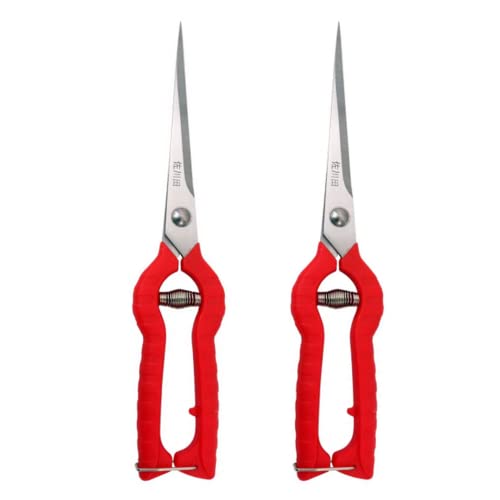
Total length : 245 mm blade length : 96 mm handle length : 122 mm closed handle width : 45 mm

LONG-LASTING SHARPNESS: Japanese SK5 bypass blade with titanium coating is tested through 5,000 cuts to maintain a sharp edge and deliver clean, consistent cuts on live stems and branches

· ULTRA-SHARP SK5 STAINLESS STEEL - Engineered with premium SK5 stainless steel, these heavy duty pruning shears deliver razor-sharp precision and maximum hardness. The rust-resistant blades are designed to stay sharp longer, effortlessly resisting corrosion and sap buildup for smooth, friction-free garden shears performance year after year.
Pruning Strategies
Pruning shapes your trees and controls their size. Focus on these key approaches:
- Timing: Prune during the dormant season, typically late winter or early spring, before new growth begins.
- Tools: Use sharp, clean pruning shears for accurate cuts. Loppers or poles saws work for larger branches.
- Cuts: Make clean cuts at a 45-degree angle. Remove dead, diseased, or crossing branches to improve airflow and sunlight exposure.
- Tip Pruning: Trim back the tips of branches to encourage bushier growth. This helps manage height while allowing sunlight to reach the tree’s interior.
- Thinning: Thin out crowded branches to create space. This encourages proper air circulation, reduces disease risk, and ensures better fruit quality.
Dwarf Varieties
Choosing the right fruit tree variety simplifies size management. Dwarf and semi-dwarf varieties grow smaller, making them ideal for small spaces. Consider these common options:
- Dwarf Apple Trees: Reach heights of 6-8 feet. Varieties like ‘Honeycrisp’ and ‘Fuji’ are popular for home gardens.
- Dwarf Peach Trees: Typically grow up to 5-6 feet. ‘Elberta’ and ‘Reliance’ produce sweet fruit and fit neatly in your landscape.
- Dwarf Cherry Trees: Stay around 8-10 feet tall. Varieties such as ‘Stella’ and ‘North Star’ offer delicious cherries without taking up too much space.
- Semi-Dwarf Pear Trees: Grow between 10-12 feet. ‘Bartlett’ and ‘Bosc’ are excellent choices for fruit lovers.
By incorporating these pruning strategies and selecting dwarf varieties, you can cultivate fruitful trees that flourish in compact gardens. Enjoy fresh fruit while maximizing your available space.
Benefits of Maintaining Smaller Fruit Trees
Maintaining smaller fruit trees offers multiple advantages for gardeners with limited space. Below are some key benefits to consider.
Recommended Products

Product Quantity: 180+ premium bonsai fruit seeds across 5 varieties; Individual packs contain 40+ apple, 40+ lemon, 40+ orange, 20+ blueberry, and 40+ cherry seeds; Perfect for starting a diverse miniature orchard

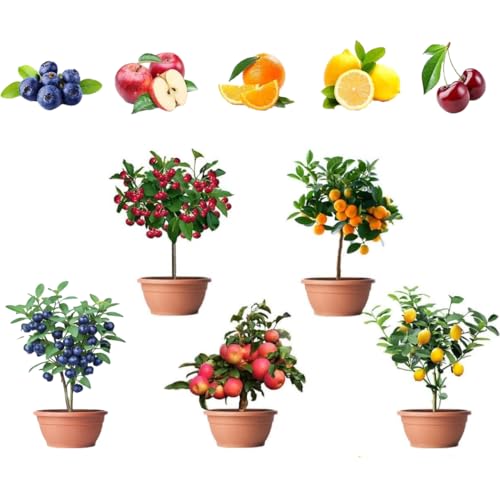
Variety Pack of 5 Fruits: Includes 40 Lemon seeds, 40 Orange seeds, 40 Apple seeds, 20 Cherry seeds, and 20 Blueberry seeds for a colorful and diverse home garden
Space Efficiency
Smaller fruit trees take up less room than their standard counterparts. You can fit multiple varieties in tight areas without overcrowding. Dwarf trees often require less spacing between plants, allowing for a more versatile layout. For instance, you can plant a mix of dwarf apples and cherries in a small garden, maximizing your fruit yield while minimizing the footprint. This efficiency ensures you enjoy lush greenery without compromising space for other plants or landscape features.
Easier Harvesting
Smaller fruit trees make harvesting more accessible. You won’t need ladders to reach high branches, as most fruit will be within arm’s reach. This convenience speeds up the picking process, allowing you to gather your harvest quickly. When you can easily access fruits, you’re less likely to miss ripe ones, ensuring you enjoy peak flavor and quality. Additionally, smaller trees mean less strain on your back and knees, making your gardening experience more enjoyable.
Common Challenges and Solutions
Growing fruit trees in limited spaces presents unique challenges. Understanding these obstacles allows you to implement effective solutions.
Pests and Diseases
Pests and diseases affect tree health and yield. Common pests include aphids, spider mites, and fruit flies. To manage these issues, consider these solutions:
- Regular Inspection: Check your trees weekly for signs of pests or disease. Early detection enables quicker intervention.
- Natural Predators: Encourage beneficial insects, like ladybugs, to control pest populations naturally.
- Organic Treatments: Use insecticidal soap or neem oil as environmentally friendly options to treat infestations.
- Disease-Resistant Varieties: Choose fruit tree varieties known for their resistance to common diseases. This practice minimizes the risk of serious health issues.
Nutrient Management
Nutrient management is crucial for fruit tree health, especially in small spaces. Insufficient nutrients can stunt growth and reduce fruit quality. Here’s how to manage nutrients effectively:
- Soil Testing: Conduct a soil test annually to assess nutrient levels and pH. Use the results to guide your fertilization strategy.
- Balanced Fertilizers: Apply a balanced fertilizer in early spring, following package instructions for your specific tree type. This helps support healthy growth.
- Mulching: Use organic mulch around the base of your trees to retain moisture and improve soil quality as it decomposes.
- Composting: Incorporate compost into the soil or as a top dressing. Compost enriches the soil, providing a steady release of nutrients over time.
Implementing these strategies addresses common challenges while promoting healthy growth in your fruit trees.
Conclusion
Keeping fruit trees small doesn’t mean sacrificing the joy of homegrown fruit. With the right techniques and careful planning you can create a thriving garden even in limited space. By choosing dwarf or semi-dwarf varieties and mastering effective pruning strategies you’ll enjoy a bountiful harvest without the hassle of towering trees.
Remember to pay attention to factors like soil quality and sunlight to ensure your trees flourish. Embrace the challenge of managing pests and nutrients to keep your little orchard healthy. With a bit of effort you can transform your small space into a fruitful paradise that brings fresh flavors right to your table. Happy gardening!
Frequently Asked Questions
What types of fruit trees are best for small spaces?
Dwarf and semi-dwarf fruit trees are ideal for limited areas. Varieties like dwarf apple, peach, cherry, and semi-dwarf pear trees thrive in smaller gardens while still producing a good yield.
How can I keep my fruit trees small?
To maintain smaller fruit trees, utilize effective pruning techniques like tip pruning and thinning crowded branches. Additionally, select suitable rootstocks and varieties designed for compact growth.
What are effective pruning strategies for fruit trees?
Prune during the dormant season using clean tools. Focus on tip pruning to promote bushier growth, and thin out branches to enhance air circulation and fruit quality.
How does soil quality affect fruit tree growth?
Good soil quality is crucial for healthy fruit trees. Conduct soil tests to identify nutrient needs, and amend soil with compost or fertilizers to ensure proper growth and fruit production.
What are common challenges when growing fruit trees in small spaces?
Challenges include managing pests, diseases, and ensuring adequate nutrients. Regular inspections, organic treatments, and balanced fertilization can help address these issues effectively.
How do I manage pests and diseases in fruit trees?
To manage pests and diseases, encourage natural predators, conduct regular inspections, and use organic remedies. Opting for disease-resistant fruit tree varieties can also reduce potential problems.
What is the benefit of growing smaller fruit trees?
Smaller fruit trees are space-efficient, allowing for multiple varieties in limited areas. They simplify harvesting since fruits are typically within arm’s reach, making the picking process quicker and easier.
