
Close Menu
    Fruit Tree Hub
    • Home
    • Apple Trees
    • Lemon Trees
    • Mango Trees
    • Orange Trees
    • More Trees
      • Best Fruit Trees
      • Apricot Trees
      • Cherry Trees
      • Fig Trees
      • Lime Trees
      • Mulberry Trees
      • Peach Trees
      • Pear Trees
      • Plum Trees
      • Pomegranate Trees
    • Tips and Advice
      • Tools
    • About Us
      • Contact
      • Privacy Policy
    Fruit Tree Hub
    Home»Tips and Advice»How Many Years for Orange Tree to Bear Fruit: Essential Tips for Faster Harvesting
    Tips and Advice

    How Many Years for Orange Tree to Bear Fruit: Essential Tips for Faster Harvesting

    Martha JacksonBy Martha JacksonDecember 25, 20248 Mins Read
    Share Facebook Twitter Pinterest WhatsApp Email
    Share
    Facebook Twitter LinkedIn Pinterest Telegram Email

    Have you ever wondered how long it takes for an orange tree to start producing those sweet, juicy fruits? If you’re thinking about planting one in your backyard, you’re not alone. Many gardening enthusiasts dream of harvesting their own oranges, but the waiting game can be tricky.

    Contents show
    1 Key Takeaways
    2 Understanding Orange Trees
    2.1 Types of Orange Trees
    2.2 Growth Conditions for Orange Trees
    3 Factors Influencing Fruit Bearing
    3.1 Age of the Tree
    3.2 Environmental Conditions
    3.3 Care and Maintenance
    4 Typical Timeline for Fruit Production
    4.1 Standard Timeframes
    4.2 Variations by Orange Tree Type
    5 Tips to Encourage Early Fruiting
    5.1 Proper Pruning Techniques
    6 Conclusion
    7 Frequently Asked Questions
    7.1 How long does it take for orange trees to produce fruit?
    7.2 What types of orange trees have different timelines for fruit production?
    7.3 What conditions do orange trees need to thrive?
    7.4 How can I encourage my orange tree to bear fruit sooner?
    7.5 Do environmental factors affect orange tree fruit production?

    You might be eager to enjoy fresh oranges straight from your tree, but patience is key. This article will guide you through the timeline of orange tree growth and fruit-bearing, helping you set realistic expectations. With the right care and knowledge, you’ll be well on your way to enjoying a bountiful harvest in just a few years.

    Key Takeaways

    • Orange trees typically begin producing fruit in 2 to 5 years post-planting, depending on the type and care.
    • Dwarf varieties can yield fruit as soon as 2 years, while standard types may take longer, around 3 to 5 years.
    • Ideal conditions for orange tree growth include full sunlight (8-10 hours daily), well-drained soil, and temperatures between 55°F to 100°F.
    • Proper care practices, such as regular watering, balanced fertilization, and strategic pruning, significantly enhance fruit production timelines.
    • Different varieties have varying timelines: Clementine (2-3 years), Valencia (3-4 years), Navel (3-5 years), Blood (2-3 years), and Bergamot (4-5 years).
    • Understanding these factors can help gardeners cultivate productive orange trees more efficiently, ensuring a bountiful harvest.

    Understanding Orange Trees

    Orange trees are popular for home gardens, offering both beauty and tasty fruit. You’ll find that several factors influence how quickly they bear fruit after planting.

    MUST READ
    How Long Pomegranate Tree Bear Fruit and Tips for Growing Healthy, Fruitful Trees

    Types of Orange Trees

    1. Valencia Orange
      Valencia orange trees are known for their sweet flavor and high juice content. They typically bear fruit in 3 to 4 years.
    2. Navel Orange
      Navel orange trees produce seedless fruit, making them ideal for fresh eating. Expect fruit in about 3 to 5 years.
    3. Blood Orange
      Blood orange trees yield uniquely colored fruit with a rich taste. They generally bear fruit within 3 to 4 years.
    4. Clementine
      Clementine trees are smaller and produce easy-to-peel fruit. They can start producing in 2 to 3 years.
    5. Bergamot Orange
      Bergamot orange trees yield fragrant fruit, often used for essential oils. Fruit can appear in 4 to 5 years.

    Growth Conditions for Orange Trees

    Optimal growth conditions are vital for orange trees. They thrive in warm temperatures and well-drained soil.

    • Sunlight: Orange trees need full sunlight, ideally 8 to 10 hours daily. Insufficient light delays fruit development.
    • Soil: Well-draining sandy or loamy soil with a pH of 6 to 7 works best. Poor drainage causes root rot and affects yield.
    • Watering: Regular watering is crucial, especially during dry spells. Ensure the soil stays consistently moist but not waterlogged.
    • Fertilization: Use a balanced fertilizer every six months. This supports healthy growth and quicker fruit production.
    • Temperature: Orange trees prefer temperatures between 55°F and 100°F. Prolonged exposure to frost can damage fruit and flowers.

    By understanding the types of orange trees and their growth conditions, you can foster an environment where your tree thrives and bears fruit sooner.

    Factors Influencing Fruit Bearing

    Several factors determine when an orange tree starts to bear fruit. Understanding these elements helps you cultivate a productive tree.

    Recommended Products

    Premium Liquid Citrus Tree Plant Fertilizer - 3-1-2 Concentrate for Indoor Plants and Flowers by Gardenera | Organic Plant Food for Citrus Trees - 8oz
    Premium Liquid Citrus Tree Plant Fertilizer - 3-1-2 Concentrate for Indoor Plants and Flowers by Gardenera | Organic Plant Food for Citrus Trees - 8oz

    🍋 CITRUS-TAILORED FORMULA: Crafted exclusively for indoor citrus trees, our 3-1-2 Liquid Fertilizer Concentrate presents the ideal blend of nitrogen, phosphorus, and potassium. This ensures your vibrant citrus trees get the precise nutrients they demand.

    VIEW LATEST PRICE

    As an affiliate, we earn on qualifying purchases.

    MUST READ
    How to Clone Fruit Trees from Cuttings: A Step-by-Step Guide for a Thriving Orchard
    GARDENWISE Professional Citrus Fertilizer + Vital Micronutrients; Perfect Balanced NPK for All Citrus; for Indoor and Outdoor Plants; Orange, Lime, Avocado and Lemon Tree Fertilizer (1/2 Quart)
    GARDENWISE Professional Citrus Fertilizer + Vital Micronutrients; Perfect Balanced NPK for All Citrus; for Indoor and Outdoor Plants; Orange, Lime, Avocado and Lemon Tree Fertilizer (1/2 Quart)

    🍋 EXPLOSIVE HARVEST: GardenWise ignites a remarkable yield boost. Its scientific blend, featuring 6% nitrogen for growth, 4% phosphorus for flowering, and 6% potassium for fruit quality, culminates in an abundance of flavorful, aromatic fruits. This is more than growth; it's a nutrient-powered revolution in your citrus yield.

    VIEW LATEST PRICE

    As an affiliate, we earn on qualifying purchases.

    Orange Tree Fertilizer, Liquid Plant Food for More Fruit, 8 oz
    Orange Tree Fertilizer, Liquid Plant Food for More Fruit, 8 oz

    Supports Growth & Root Development – Orange plant food that helps promote strong roots, healthy foliage, and consistent plant growth.

    VIEW LATEST PRICE

    As an affiliate, we earn on qualifying purchases.

    Age of the Tree

    Age plays a crucial role in fruit production. Typically, most orange trees need 2 to 5 years to start bearing fruit. Dwarf varieties may mature more quickly, while standard types often take longer. After planting, watch for flower buds; their appearance indicates your tree is nearing fruit production.

    Environmental Conditions

    Environmental conditions significantly impact fruit bearing. Orange trees thrive in:

    • Sunlight: At least 8 hours of direct sunlight daily promotes healthy growth.
    • Soil: Well-drained, loamy soil supports robust root systems. Aim for a soil pH of 6 to 7 for optimal growth.
    • Temperature: Orange trees prefer temperatures between 60°F and 100°F. Extreme cold can hinder fruit production.

    Make adjustments to improve these conditions, ensuring your tree gets what it needs to flourish.

    Care and Maintenance

    Proper care fosters quicker fruit bearing. Consider these practices:

    • Watering: Regularly water the tree, especially during dry spells. Keep the soil moist but not soaked.
    • Fertilization: Use a balanced fertilizer during the growing season. Apply it every 6 to 8 weeks to support growth.
    • Pruning: Trim dead or damaged branches to improve air circulation and sunlight exposure. Prune during the dormant season for the best results.

    Consistent care cultivates a healthy orange tree, leading to fruitful harvests sooner.

    Typical Timeline for Fruit Production

    Orange trees usually take time to start bearing fruit, and understanding their growth timeline helps set your expectations.

    MUST READ
    How to Prune Star Fruit Tree for Better Growth and Fruit Production

    Recommended Products

    Citrus Tree Fertilizer Kit - Complete 3-in-1 Plant Food with NPK Granules, Liquid Micronutrients & Calcium for Container Lemon Orange Lime Trees, 3-Month Supply for Indoor Outdoor Citrus Plants
    Citrus Tree Fertilizer Kit - Complete 3-in-1 Plant Food with NPK Granules, Liquid Micronutrients & Calcium for Container Lemon Orange Lime Trees, 3-Month Supply for Indoor Outdoor Citrus Plants

    COMPLETE 3-IN-1 CITRUS NUTRITION KIT - Everything Your Trees Need Professional-grade fertilizer system includes slow-release NPK granules (6-month supply), liquid micronutrient concentrate (makes 32oz), and calcium supplement (makes 32oz). Specially formulated for lemon, orange, lime, grapefruit, and all citrus varieties in containers and pots.

    VIEW LATEST PRICE

    As an affiliate, we earn on qualifying purchases.

    Gold Nugget Loquat Tree, Five Gallon Container
    Gold Nugget Loquat Tree, Five Gallon Container
    VIEW LATEST PRICE

    As an affiliate, we earn on qualifying purchases.

    Apple Tree | Seed Grow Kit | The Jonsteen Company
    Apple Tree | Seed Grow Kit | The Jonsteen Company

    Grow your own apple, a tree of legend that has been cherished and cultivated for thousands of years by people of many cultures from every corner of the world

    VIEW LATEST PRICE

    As an affiliate, we earn on qualifying purchases.

    Standard Timeframes

    Most orange trees typically start producing fruit between 2 to 5 years after planting. Dwarf varieties often mature faster, yielding fruit as soon as 2 years. Standard types might take longer, generally around 3 to 5 years. Environmental factors like sunlight, soil health, and care practices play a significant role in this timeframe.

    Variations by Orange Tree Type

    Different orange tree types have varying timelines for fruit production:

    • Valencia: Begins bearing fruit in about 3 to 4 years.
    • Navel: Usually produces fruit after 3 to 5 years.
    • Blood: Takes around 2 to 3 years to yield fruit.
    • Clementine: Commonly starts bearing fruit in 2 to 3 years.
    • Bergamot: Generally takes about 4 to 5 years for production.

    These variations highlight how tree type influences fruit-bearing timelines. Selecting the right type for your environment and care routine ensures you enjoy a productive orchard more quickly.

    Tips to Encourage Early Fruiting

    To promote early fruit production in orange trees, incorporate effective care methods into your gardening routine. Here are some strategies to consider:

    Recommended Products
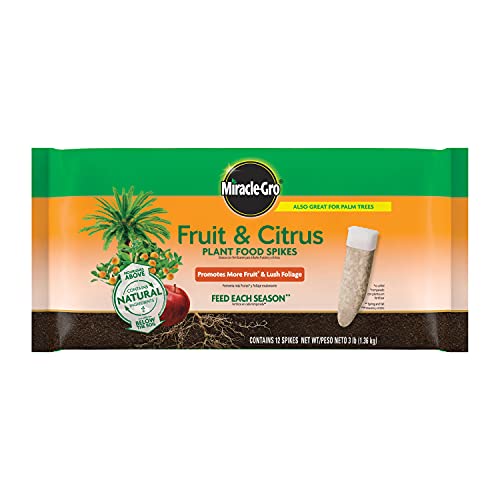
    Miracle-Gro Fruit & Citrus Plant Food Spikes, 12 Spikes, 3 lb.
    Miracle-Gro Fruit & Citrus Plant Food Spikes, 12 Spikes, 3 lb.

    FORMULATED FOR CITRUS AND FRUIT TREES: Use these citrus fertilizer spikes on apple, orange, lemon, lime, and avocado trees; this formula is also great for feeding palm trees
    MUST READ
    How to Make Fruit Christmas Tree: Fun and Festive Steps for a Delicious Holiday Centerpiece
    VIEW LATEST PRICE

    As an affiliate, we earn on qualifying purchases.

    GARDENWISE 10-10-10 All Purpose Plant Food - Liquid Fertilizer with Seaweed Kelp & Iron - Indoor & Outdoor Plant Food, Vegetables, Flowers, Lawn & Garden 1x8oz
    GARDENWISE 10-10-10 All Purpose Plant Food - Liquid Fertilizer with Seaweed Kelp & Iron - Indoor & Outdoor Plant Food, Vegetables, Flowers, Lawn & Garden 1x8oz

    🌱 COMPREHENSIVE PLANT NUTRITION: The 10-10-10 in our liquid plant fertilizer signifies a balanced blend of Nitrogen (N), Phosphorus (P), and Potassium (K), each contributing 10% to the total composition. Nitrogen is essential for promoting lush, vibrant foliage and overall growth, while Phosphorus is integral to root development and crucial for blooming and fruiting. Potassium, responsible for overall plant health.

    VIEW LATEST PRICE

    As an affiliate, we earn on qualifying purchases.

    10-10-10 Fertilizer for Trees & Shrubs, Balanced NPK + Iron & Micros, 32 oz
    10-10-10 Fertilizer for Trees & Shrubs, Balanced NPK + Iron & Micros, 32 oz

    Supports Roots, Foliage & Structure – Helps encourage strong roots and steady plant development.

    VIEW LATEST PRICE

    As an affiliate, we earn on qualifying purchases.

    Proper Pruning Techniques

    1. Start with Healthy Trees: Ensure your orange tree is healthy before pruning to avoid stressing it further.
    2. Remove Dead or Diseased Wood: Cut branches that show signs of disease or damage. Healthy growth encourages fruiting.
    3. Thin Out Crowded Areas: Open up the canopy by removing excess internal branches. Better airflow and sunlight penetration stimulate fruit production.
    4. Shape the Tree: Aim for a balanced structure. A well-shaped tree supports stronger limbs that can bear fruit.
    5. Timing Matters: Prune during dormancy or just before the growing season begins. This timing promotes healthy spring growth.
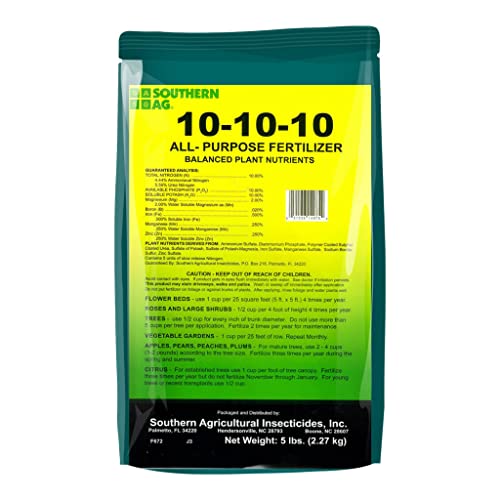
    1. Choose the Right Fertilizer: Use a balanced fertilizer with equal parts nitrogen, phosphorus, and potassium (like a 10-10-10 formula) to encourage healthy growth.
    2. Apply in Spring: Fertilize early in the growing season to support initial growth and flowering. Follow with a second application mid-summer.
    3. Actions for Soil Health: Test your soil’s nutrient levels. Adjust your fertilization strategy based on the results for optimal tree health.
    4. Use Organic Options: Consider options like compost or well-rotted manure. These not only nourish the tree but also improve soil structure.
    5. Be Mindful of Over-Fertilizing: Avoid excess fertilizer, which can harm the tree. Stick to recommended amounts based on your specific fertilizer’s guidelines.
    MUST READ
    What Fruit Trees Grow Best in Michigan: A Guide to Thriving Varieties for Your Garden

    By implementing proper pruning and effective fertilization techniques, you can help your orange trees bear fruit sooner while ensuring a robust, productive orchard.

    Conclusion

    Growing your own orange tree can be a rewarding experience. With a bit of patience and the right care you’ll soon be enjoying the fruits of your labor. Remember that different varieties have varying timelines for fruit production so keep that in mind as you plan.

    By providing optimal conditions and following the care tips shared you’ll set your tree up for success. The wait might feel long but the joy of harvesting fresh oranges from your own backyard will make it all worthwhile. Happy gardening and may your orange tree thrive!

    Frequently Asked Questions

    How long does it take for orange trees to produce fruit?

    Most orange trees typically start bearing fruit between 2 to 5 years after being planted. Dwarf varieties may produce fruit as early as 2 years, while standard types generally take 3 to 5 years to yield a harvest.

    What types of orange trees have different timelines for fruit production?

    Common types of orange trees and their fruiting timelines include Valencia (3 to 4 years), Navel (3 to 5 years), Blood (2 to 3 years), Clementine (2 to 3 years), and Bergamot (4 to 5 years).

    What conditions do orange trees need to thrive?

    Orange trees thrive in full sunlight, well-drained soil, and warm temperatures. Regular watering, balanced fertilization, and proper care are essential for healthy growth and faster fruit production.

    How can I encourage my orange tree to bear fruit sooner?

    To encourage early fruiting, ensure proper care by regularly watering, applying appropriate fertilizers, and practicing good pruning techniques like removing dead branches and thinning crowded areas.

    Do environmental factors affect orange tree fruit production?

    Yes, environmental factors such as sunlight exposure, soil quality, and temperature significantly impact fruit production. Ensuring optimal conditions can help your orange tree produce fruit more quickly and efficiently.

    Share. Facebook Twitter Pinterest LinkedIn Tumblr Email
    martha jackson
    Martha Jackson

      Martha Jackson is an accomplished freelance writer and editor with a strong interest in gardening. With a degree in English from the University of California, Berkeley, Martha has over 15 years of experience writing for a variety of publications. She is passionate about making gardening accessible to all and is always seeking out new techniques and innovations.

      Related Posts

      How Long Until Avocado Trees Bear Fruit and Tips for Faster Growth at Home

      February 20, 2025

      What Yellow Fruit Grows on Trees and Their Delicious Health Benefits

      February 20, 2025

      How to Air Layer Fruit Trees: A Step-by-Step Guide for Successful Propagation

      February 20, 2025

      When Do Grapefruit Trees Produce Fruit and How to Maximize Your Harvest

      February 20, 2025

      What Is a Fast Growing Fruit Tree: Discover Quick-Yield Options for Your Garden

      February 20, 2025

      Do Cherry Blossom Trees Have Fruit? Discover the Truth About Their Edibility and Benefits

      February 20, 2025
      Leave A Reply Cancel Reply

      Affiliate Disclosure

      As an Amazon Associate I earn from qualifying purchases.

      Recommended Reading

      The Best Soil Conditions for Quince Trees

      “Will Grapefruit Ripen After Falling Off Tree: Expert Tips for Perfectly Ripe Citrus”

      Why Is My Lemon Tree Not Fruiting: Common Causes and Solutions for a Bountiful Harvest

      Why Are My White Nectarine Tree Leaves Turning Purple? Tips to Maintain Vibrant Foliage

      Lemon Trees in Nashville, TN: Middle Tennessee Success

      Mango Trees in a Pot in Utah: High Altitude Irrigation Strategies

      Growing Cucamelons: Seed to Harvest Timeline & Tips for Perfecting Your Mini Watermelons

      Where to Find Wild Persimmon Trees

      How to Protect Fruit Trees from Rats: Effective Strategies for a Healthy Harvest

      What Tree Bears Fruit the Fastest: Your Guide to Quick Harvests in the Garden

      Fruit Tree Hub

      Fruit Tree Hub is a website dedicated to providing you everything you need to grow fruit trees successfully at in your own yard.

      Contact us at: [email protected]

      - AFFILIATE DISCLOSURE: As an Amazon Associate I earn from qualifying purchases.

      Latest Posts

      Can Olive Trees Grow in New Jersey? Garden State Growth Tips

      Can Star Fruit Trees Grow in Missouri? Expert Variety Guide

      How to Grow Jujube Trees in Las Vegas, NV: Desert Growth

      Mango Trees in Illinois: Indoor and Greenhouse Growth Secrets

      Growing Papaya Trees in Oklahoma: High Heat Resilience

      Tamarind Trees in a Pot in Ohio (Complete Maintenance Manual)

      Can Fig Trees Grow in Long Beach, CA? Coastal Salt Tips

      Plum Trees in District of Columbia (Urban Microclimate Tips)

      Categories
      • Almond Trees
      • Apple Trees
      • Apricot Trees
      • Best Fruit Trees
      • Blackberry
      • Cantaloupe
      • Cherry Trees
      • Crochet Ideas
      • Crochet Ideas for Beginners
      • Cucamelon
      • Easy Crochet Ideas
      • Easy Knitting Projects
      • Fig Trees
      • Grapefruit Trees
      • Grapes
      • Guava Trees
      • Honeydew
      • Jujube Trees
      • Kiwi
      • Knitting For Beginners
      • Knitting Ideas
      • Knitting Inspiration
      • Lemon Trees
      • Lime Trees
      • Loquat Trees
      • Mango Trees
      • Mulberry Trees
      • Nectarine Trees
      • Olive Trees
      • Orange Trees
      • Papaya Trees
      • Peach Trees
      • Pear Trees
      • Persimmon Trees
      • Planting
      • Plum Trees
      • Pomegranate Trees
      • Quince Trees
      • Raspberry
      • Reviews
      • Small Crochet Ideas
      • Star Fruit Trees
      • Summer Crochet Ideas
      • Tamarind Trees
      • Tangerine Trees
      • Tips and Advice
      • Tools
      • Uncategorized
      • Walnut Trees
      © 2026 Fruit Tree Hub
      • Home
      • About Us
      • Contact
      • Privacy Policy
      • Terms and Conditions
      • Disclaimer
      • Editorial Policy
      • Affiliate Disclosure

      Type above and press Enter to search. Press Esc to cancel.