

Ever wondered if you can enjoy fresh fruit from your own backyard, even if you don’t have much space? Growing fruit trees in pots might be the perfect solution for you. Whether you live in a small apartment or have a cozy garden, container gardening opens up a world of possibilities.
Key Takeaways
- Container Gardening is Viable: You can successfully grow fruit trees in pots, making it an ideal solution for limited space, such as apartments and small gardens.
- Selecting Suitable Varieties: Choose dwarf, self-pollinating, and hardy fruit tree varieties to ensure healthy growth and fruit production in pots.
- Proper Container Size and Drainage: Use containers that are at least 10-20 gallons in size with adequate drainage to promote root health and prevent issues like root rot.
- Essential Care Practices: Provide well-draining soil, consistent watering, and exposure to 6-8 hours of sunlight daily to maintain robust fruit trees.
- Check for Pests: Regularly inspect your potted trees for pest infestations and utilize organic pest control methods for effective management.
- Winter Preparedness: Protect potted fruit trees from extreme cold by providing insulation or moving them indoors, while also monitoring soil moisture levels throughout winter.
Can You Grow Fruit Trees in Pots?
Yes, you can grow fruit trees in pots. This method allows you to enjoy fresh fruit while maximizing limited space. Here’s what you need to know:
Choosing the Right Fruit Trees
- Dwarf Varieties: Select dwarf or miniature species. Trees like ‘Honeycrisp’ apples and ‘Louisburg’ peaches adapt well to containers.
- Self-Pollinating Types: Consider self-pollinating trees. Varieties like ‘Better’ blueberries or ‘Carmen’ cherries don’t require another tree to set fruit.
- Hardy Options: Choose hardy trees if your region experiences cold winters. ‘Clemson’ satsuma oranges and ‘Meyer’ lemons thrive indoors during colder months.
Selecting Containers
- Size Matters: Use containers at least 10-20 gallons in size. Larger pots provide more room for roots, promoting healthier trees.
- Drainage: Ensure pots have drainage holes. Proper drainage prevents root rot and keeps trees healthy.
- Materials: Consider materials like clay, ceramic, or plastic. Choose a material that suits your climate and style.
Planting Fruit Trees
- Soil Mix: Use well-draining potting soil. A mix that combines peat, perlite, and compost promotes healthy growth.
- Planting Depth: Plant trees at the same depth as in their nursery containers. Avoid burying the root collar to prevent issues.
- Watering: Water thoroughly after planting. Keep the soil consistently moist, but avoid excessive watering.
Care and Maintenance
- Sunlight: Place pots in full sun. Most fruit trees need 6-8 hours of sunlight daily for optimal growth.
- Fertilizing: Use a balanced fertilizer during the growing season. Follow package instructions for application rates.
- Pruning: Prune trees annually. This encourages fruit production and maintains a manageable size for pots.
- How do I prevent pests? Use organic pest control methods such as neem oil or insecticidal soap to treat infestations.
- Can I keep them indoors? Yes, but ensure they receive adequate light. Use grow lights if natural sunlight is insufficient.
Growing fruit trees in pots is not only feasible but rewarding. With careful selection, proper care, and the right conditions, you’ll soon enjoy fresh fruit right from your patio or balcony.
Benefits of Growing Fruit Trees in Pots
Growing fruit trees in pots offers numerous advantages that enhance your gardening experience. You’ll enjoy fresh fruit even with limited space. Below are some key benefits.
Space Efficiency
Potted fruit trees maximize space usage, making them ideal for small yards or balconies. You can place containers on patios, decks, or sunny windowsills. Consider varieties like dwarf peach or citrus trees, which thrive in smaller spaces. Grouping several pots can create a mini orchard effect. Efficient use of space allows you to cultivate multiple types of fruit in a compact area.
Accessibility
Potted fruit trees enhance accessibility, allowing you to control their location. You can easily move containers to find optimal sunlight or shelter from harsh weather. This flexibility also aids in pest and disease management; shifting a tree can help prevent infestations. Additionally, raised pots make harvesting easier, reducing the need for bending or stretching. Accessibility ensures you enjoy gardening and harvesting without physical strain.
Choosing the Right Fruit Trees
Selecting the right fruit trees is crucial for successful container gardening. Certain varieties thrive better in pots, making your gardening experience rewarding and enjoyable.
Recommended Products


1. Peel the fruit directly and remove the seeds.
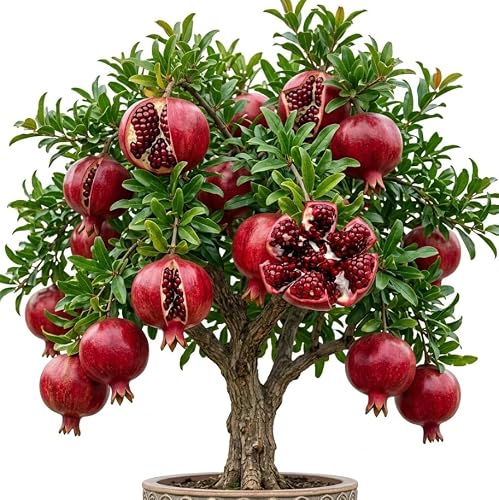
Each order includes a live red pomegranate plant, carefully grown and ready to thrive in your garden or home.
Best Varieties for Container Growth
- Dwarf Trees: Look for dwarf varieties, such as apple trees, pear trees, and citrus trees. They grow well in limited space and reach manageable heights, usually around 3 to 5 feet tall.
- Self-Pollinating Trees: Choose self-pollinating types, like cherry trees and tangelo trees. These trees don’t require another tree for cross-pollination, making them ideal for smaller spaces.
- Fruiting Shrubs: Consider fruiting shrubs like blueberries and raspberries. These provide delicious fruits while taking up less space and fitting perfectly in containers.
- Compact Varieties: Opt for compact fruit trees, like ‘Petite Pink’ peach trees or ‘Little Cado’ avocado trees. They maintain their size, making them perfect for pot growth.
- Hardiness Zones: Research your local hardiness zone. Select trees suited to your climate to ensure successful growth. For colder areas, consider hardier options like apple or cherry trees.
- Sunlight Requirements: Ensure your chosen trees get adequate sunlight. Most fruit trees thrive in at least 6 to 8 hours of direct sunlight daily. Position your pots where they’ll receive optimal light.
- Temperature Concerns: Protect fruit trees from extreme temperatures. In cold climates, provide insulation or move pots indoors during harsh winter months. In hot climates, ensure pots have adequate water and shade.
- Humidity Levels: Be aware of humidity conditions. Certain trees, like figs and citrus, prefer higher humidity. Use sprays or misting to increase moisture if needed.
Essential Care for Potted Fruit Trees
Caring for potted fruit trees requires specific attention to soil, fertilization, and watering techniques. Proper management ensures healthy growth and fruitful yields.
Recommended Products

【Ideal pH Balance】Our citrus soil is carefully calibrated to maintain an optimal pH level between 6.0 and 7.1, ensuring your citrus trees can absorb essential nutrients efficiently and thrive

Made For Potted Citrus Trees: Our citrus potting soil mix is made for potted lemon, lime, orange and other citrus trees that need a lighter growing medium for repotting. We double-screen all of our raw ingredients to support a cleaner, more consistent texture for pouring and repotting potted citrus trees.

Enriched with Organic Fertilizer – This lemon tree fertilizer provides nutrients for up to 6 months, so your citrus trees stay healthy and productive with minimal upkeep.
Soil and Fertilization
Choose a high-quality, well-draining potting mix for your fruit trees. Look for mixes designed specifically for container gardening, as they often contain ingredients like perlite or vermiculite to enhance drainage.
Fertilize every 4-6 weeks during the growing season. Use a balanced, slow-release fertilizer suited for fruit trees. For example, a 10-10-10 NPK fertilizer offers a good balance of nutrients. Adjust fertilization based on specific tree needs and growth stages; young trees may require different nutrients than mature ones.
Testing soil pH helps ensure it’s within the optimal range for most fruit trees, typically between 6.0 and 7.0. Amend soil as necessary to maintain this pH, using lime to raise levels or sulfur to lower them.
Watering Techniques
Water your potted fruit trees deeply, allowing the soil to dry out slightly between waterings. Aim to provide around 1-2 inches of water weekly, depending on your local climate. Check soil moisture by sticking your finger into the dirt; if it feels dry 1-2 inches down, it’s time to water.
Adjust watering frequency according to the season. In warmer months, trees may need more water, while in fall and winter, reduce the frequency as trees enter dormancy.
Consider using self-watering pots or adding mulch on top of the soil. Mulch retains moisture and adds organic matter as it breaks down. Choose organic options like shredded bark or straw, which also reduce weeds.
Maintaining a consistent watering schedule promotes healthy root systems and enhances fruit production in your potted trees.
Common Challenges and Solutions
Growing fruit trees in pots presents challenges, but with the right strategies, you can overcome them easily. Here’s how.
Recommended Products
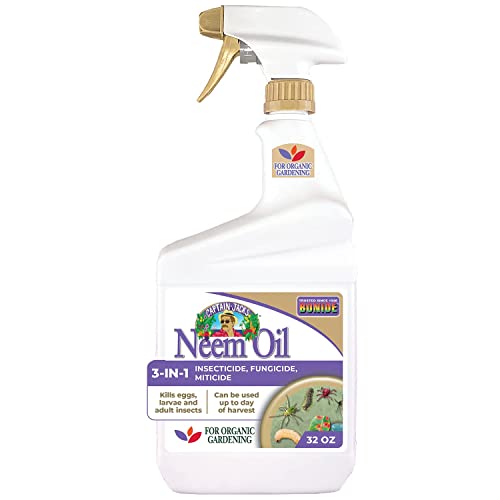
Protect your oasis with 3 garden products in 1 from Captain Jack’s; Bonide Captain Jack’s Ready-to-Use Neem Oil spray for plants is a multi-purpose fungicide, insecticide and miticide for your lawn & garden

PLANT DISEASE CONTROL: Natria Neem Oil acts as an insecticide and fungicide in one convenient spray; Ready-to-use trigger sprayer requires no mixing

FUNGAL DISEASE CONTROL: Prevents and controls black spot on roses, powdery mildew, rust, downy mildew, and other listed fungal diseases when applied on a 7–14 day schedule
Pest Management
Managing pests in potted fruit trees requires diligence. Start by regularly inspecting your trees for signs of infestation, such as discolored leaves or webbing. Use organic insecticides like neem oil or insecticidal soap to treat smaller infestations. Introduce beneficial insects, such as ladybugs and lacewings, which can naturally control pest populations. If you spot a larger infestation, consider manually removing pests or using traps designed for specific insects.
Winter Care
Winter care for potted fruit trees is crucial to ensure their survival. Place your containers in a sheltered area to shield them from harsh winds. Insulating pots with materials like burlap or bubble wrap can help maintain root temperature. For trees that require extra protection, bring them indoors during extreme cold spells. Monitor soil moisture; potted trees can dry out more quickly in winter. Water them gently when the top inch of soil feels dry. If your varieties are sensitive to frost, consider covering them with frost cloth during especially cold nights.
Conclusion
Growing fruit trees in pots can be a delightful and rewarding experience. You can enjoy fresh fruits right from your own space without needing a large garden. With the right choices in tree varieties and proper care techniques you’ll find that container gardening opens up a world of possibilities.
Whether you’re in an apartment or have a small yard there’s a perfect potted fruit tree waiting for you. So go ahead and explore the joy of growing your own fruit trees in pots. You might just discover a new favorite hobby that brings both beauty and flavor to your life. Happy gardening!
Frequently Asked Questions
Can I grow fruit trees in pots?
Yes, you can grow fruit trees in pots. Container gardening is a great solution for those with limited space, allowing you to enjoy fresh fruit even in small areas like balconies or patios.
What types of fruit trees are best for pots?
Dwarf and self-pollinating varieties are ideal for pots. Consider trees like dwarf apple and citrus, as well as fruiting shrubs such as blueberries and raspberries for space efficiency.
How do I choose the right container for fruit trees?
Select a pot that is large enough for the tree’s root system, ensuring proper drainage. Materials like clay or plastic can work well, with a focus on size—typically 5 to 15 gallons for most dwarf trees.
What kind of care do potted fruit trees need?
Potted fruit trees require good soil, regular watering, and periodic fertilization. Use a high-quality potting mix, water deeply while allowing the soil to dry slightly, and fertilize every 4-6 weeks with a balanced fertilizer.
How can I manage pests on my potted fruit trees?
Regularly inspect your trees for pests. You can use organic insecticides or introduce beneficial insects for effective pest control while keeping your fruits safe for consumption.
What should I do in winter to protect my potted fruit trees?
Insulate pots to protect the roots from cold weather, and monitor soil moisture to prevent freezing. If possible, move the pots to a sheltered location during harsh winter conditions.
Can I grow fruit trees indoors?
Yes, many fruit trees can be grown indoors, especially self-pollinating varieties. Ensure they receive adequate sunlight and maintain appropriate humidity levels for healthy growth.
What are the benefits of growing fruit trees in pots?
Growing fruit trees in pots maximizes space and enhances accessibility. You can easily move them for sunlight, manage pests, and enjoy the convenience of harvesting without strain.
