

Ever wondered if you can grow blackberries and raspberries together in your garden? Picture this: you’re envisioning a lush, fruitful garden but unsure about which berries can thrive alongside each other. Well, good news – you’re not alone in pondering this fruitful dilemma!
Key Takeaways
- Blackberries and raspberries can be grown together as they share similar growing conditions and do not cross-pollinate.
- Select a sunny location with good air circulation, proper spacing, well-draining soil, and suitable pH levels for optimal growth.
- Plant blackberries and raspberries in early spring with recommended spacing and consider using supporting structures like trellises.
- Maintain consistent watering, mulching for moisture retention, proper pruning for fruit production optimization, and timely harvesting.
- Be vigilant against pests like aphids and diseases, prevent overcrowding by maintaining adequate spacing between plants through regular pruning.
Compatibility of Blackberries and Raspberries
When considering growing blackberries and raspberries together in your garden, it’s essential to understand their compatibility. Here are key factors to consider:
Similar Growing Conditions
Blackberries and raspberries share similar growing conditions, making them compatible planting companions. Both berries thrive in well-draining soil with a pH between 5.5 and 6.5. They prefer full sun exposure for at least six hours a day to produce abundant fruit. By ensuring these conditions are met, you can successfully cultivate both blackberries and raspberries in the same garden space.
Cross-Pollination Concerns
While blackberries and raspberries belong to the same plant family (Rosaceae), they do not cross-pollinate with each other. This means that if you plant blackberry bushes next to raspberry plants, they won’t hybridize or affect each other’s fruit quality or yield. You can confidently grow blackberries and raspberries near each other without worrying about unwanted cross-pollination issues.
By understanding the similar growing conditions of blackberries and raspberries along with the lack of cross-pollination concerns between them, you can confidently cultivate these delicious berries side by side in your garden for a bountiful harvest.
Site and Soil Preparation
When it comes to preparing your site and soil for growing blackberries and raspberries together, there are key factors you need to consider.
Recommended Products

Organic Formula: The MYGP BR4 Organic Berry-Tone fertilizer is formulated with an organic blend of nutrients that promotes healthy growth and development of berry plants, ensuring they receive the essential nutrition they need.

🍓 Our Raspberry Potting Mix is expertly crafted to provide the perfect growing environment for vibrant and healthy raspberry plants. This premium soil mix ensures your raspberries receive the optimal nutrients, moisture, and aeration needed to thrive, making it ideal for both indoor plants and container gardening.

2X MORE VALUE: The 16 oz bottle of Berry Plant Fertilizer makes 16 gallons of blueberry fertilizer & strawberry fertilizer, while the bigger size 32 oz bottle makes 32 gallons for lasting care.
Choosing the Right Location
Selecting the ideal location for planting your blackberries and raspberries is crucial for their growth and productivity. Here’s what you should keep in mind:
- Sunlight Exposure: Ensure the chosen spot receives full sunlight for at least 6-8 hours a day to promote healthy plant development.
- Air Circulation: Pick a location with good air circulation to prevent diseases that thrive in humid conditions.
- Spacing: Provide adequate spacing between plants to allow proper growth and airflow, reducing the risk of fungal infections.
Soil Requirements and Amendments
The soil quality plays a significant role in the success of your blackberry and raspberry plants. Consider these points when preparing your soil:
- Well-Draining Soil: Opt for well-draining soil to prevent waterlogging, which can lead to root rot.
- pH Levels: Blackberries and raspberries prefer slightly acidic soil with pH levels ranging from 5.5 to 6.5; adjust pH if needed using suitable amendments.
- Organic Matter: Enhance soil fertility by incorporating organic matter like compost or aged manure before planting to provide essential nutrients.
By paying attention to these site selection and soil preparation tips, you’ll create an optimal environment for your blackberries and raspberries to thrive side by side seamlessly.
Planting Techniques
When it comes to planting blackberries and raspberries together, timing and spacing are crucial factors to consider for a successful harvest.
Recommended Products

4pack Fiberglass Material Raspberry Cross Stake System with Adjustable Cross-bars, Height Adjustable
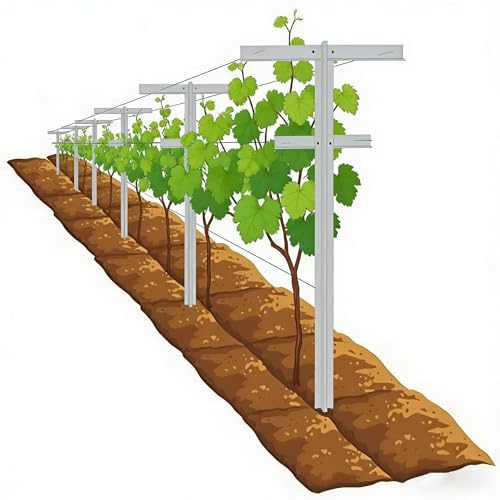
Fiberglass Material Raspberry Cross Stake System with Adjustable Arms
Fiberglass Material Raspberry Cross Stake System with 2 Cross-bars, Height Adjustable
Timing and Spacing
Plant your blackberries and raspberries in early spring, once the soil is workable but not too wet. Ensure there is enough space between each plant to allow for adequate air circulation and sunlight penetration. A recommended spacing of 2-3 feet between plants within a row and 8 feet between rows is ideal for optimal growth.
Supporting Structures
Consider installing supporting structures like trellises or stakes to help keep your blackberry and raspberry plants upright as they grow. These structures not only provide support but also help manage the plants’ spread, making harvesting easier. By training the canes along these supports, you can prevent overcrowding and promote better fruit production.
Maintenance and Care
Maintaining the optimal conditions for your blackberries and raspberries is crucial to ensure a bountiful harvest. Here are essential tips on watering, mulching, pruning, and harvesting to help you care for your berry plants effectively.
Watering and Mulching
When it comes to watering your blackberries and raspberries, consistency is key. Make sure to water deeply but infrequently to encourage deep root growth. A good rule of thumb is to provide around 1-2 inches of water per week, especially during dry spells or fruit development stages.
Mulching plays a vital role in retaining moisture, suppressing weeds, and providing insulation for the roots. Apply a 2-4 inch layer of organic mulch around the base of the plants while ensuring it doesn’t touch the stems directly. Mulching also helps in maintaining soil temperature and reducing competition from weeds.
Pruning and Harvesting
Proper pruning is essential for optimizing fruit production and plant health. Start by removing dead or diseased canes in late winter or early spring before new growth emerges. Thin out crowded canes to improve air circulation and sunlight penetration into the canopy.
Harvesting your blackberries and raspberries at the right time ensures peak flavor and sweetness. Pick ripe berries gently by hand, aiming for those that easily detach from the plant with a slight tug. Harvest regularly every few days once fruits start ripening to prevent overripening or spoilage.
By following these maintenance guidelines diligently, you’ll create an environment where your blackberry and raspberry plants thrive harmoniously side by side in your garden.
Common Challenges
When growing blackberries and raspberries together, you may encounter some common challenges that can affect the health and productivity of your plants. Here are key areas to focus on:
Pest and Disease Management
To ensure the well-being of your blackberries and raspberries, it’s crucial to stay vigilant against pests and diseases. Common pests that can target these berries include aphids, spider mites, and Japanese beetles. Regularly inspect your plants for any signs of infestation such as curled leaves or discoloration. Implementing organic pest control methods like neem oil or introducing beneficial insects can help combat these issues effectively.
Preventing Overcrowding
One challenge you might face when cultivating both blackberries and raspberries in close proximity is overcrowding. Overcrowded plants not only compete for nutrients but also hinder air circulation, leading to increased susceptibility to diseases. Ensure proper spacing between each plant according to their specific requirements. Regular pruning can also help maintain optimal airflow between the bushes, reducing the risk of overcrowding-related problems.
By addressing these challenges proactively through effective pest management strategies and preventing overcrowding, you’ll create a conducive environment for your blackberries and raspberries to flourish harmoniously in your garden.
Conclusion
Growing blackberries and raspberries together can be a rewarding experience. With proper care and attention to their specific needs, you can create a thriving garden full of delicious berries. Remember to maintain well-draining soil, the right pH levels, and provide ample sunlight for your plants. By following the planting techniques and maintenance tips discussed in this article, you’ll be on your way to a successful harvest. Keep an eye out for pests like aphids and diseases that may affect your plants, and ensure proper spacing and pruning to prevent overcrowding. With these considerations in mind, you can enjoy a bountiful supply of blackberries and raspberries from your garden for years to come!
Frequently Asked Questions
Can blackberries and raspberries be grown together?
Yes, blackberries and raspberries can be grown together as they have similar growing conditions. Ensure well-draining soil, specific pH levels (around 5.5-6.5), and ample sunlight for optimal growth.
What are the key factors to consider when planting blackberries and raspberries?
When planting blackberries and raspberries, focus on site preparation, soil quality, proper spacing (3-4 feet apart), and providing support for trailing varieties.
How should I maintain my blackberry and raspberry plants?
Maintain your plants by watering deeply but infrequently, mulching to retain moisture and suppress weeds, pruning annually in late winter or early spring, and harvesting ripe fruits regularly.
What are common challenges in growing these berries together?
Common challenges include managing pests like aphids and diseases such as powdery mildew. Proper spacing between plants is crucial to prevent overcrowding that can lead to disease issues.
How can I ensure a successful harvest of blackberries and raspberries?
To ensure a successful harvest, monitor plant health regularly, address pest or disease issues promptly, provide adequate nutrients through fertilization if needed, prune for airflow, and protect ripening fruits from birds.
