

Wondering if it’s the right time to prune your fruit trees? You’re not alone. Many gardeners face this dilemma, especially when they want to keep their trees healthy and productive. Pruning at the wrong time can affect your harvest, so knowing when to act is crucial.
If you’ve ever stood in your yard, clippers in hand, unsure of what to do, this article is for you. We’ll break down the best practices for pruning your fruit trees and help you decide if now is the time to get started. By the end, you’ll feel confident in your pruning decisions and ready to promote robust growth and bountiful fruit.
Key Takeaways
- Timing Is Crucial: The best time to prune fruit trees is during their dormant phase, typically late winter or early spring, to ensure healthy growth and effective shaping.
- Tool Preparation: Using sharp, clean tools is essential for making clean cuts that promote quicker healing. Always disinfect tools to avoid transmitting diseases.
- Signs of Pruning Needs: Look for indicators such as dead or diseased branches, overgrowth, crossed branches, and pest infestations that signal the need for pruning.
- Pruning Techniques: Understand different pruning styles, such as thinning and crown reduction, and choose techniques that best suit your specific fruit tree type.
- Regular Maintenance: After pruning, monitor your trees for new growth, pests, and overall health to maintain balance and productivity throughout the growing season.
- Environmental Awareness: Consider your local climate when determining pruning schedules, as different regions may require different timing for optimal results.
Understanding Pruning and Its Importance
Pruning involves the selective removal of branches from fruit trees. This practice supports tree health and enhances fruit production. Proper pruning techniques help manage the shape, size, and growth patterns of your trees.
Pruning encourages new growth by removing dead or diseased branches. Healthy branches produce stronger blossoms and larger fruit. For example, apple trees benefit from regular pruning, as it stimulates better yields and improves air circulation.
Timing plays a crucial role in effective pruning. Winter dormancy is ideal for many fruit trees, as it allows you to see the tree structure clearly. If you wait until spring, new growth may hinder your ability to shape the tree effectively.
When you’re ready to prune, gather the right tools. Use sharp, clean pruning shears for smaller branches and loppers for thicker ones. Always disinfect your tools before and after use to prevent disease spread among your trees.
Consider these practical tips while pruning:
- Assess the Tree’s Health: Look for dead or sick branches. Remove them first to promote overall tree vitality.
- Determine the Style: Choose a pruning style that suits your fruit tree type. Open center works well for peaches, while central leader suits apples.
- Make Clean Cuts: Focus on angled cuts just above a bud or side branch. This approach encourages healthy growth.
Pruning not only enhances fruit quality but also maintains tree structure. As you prune, remember to check for new growth in the summer. This allows you to make additional adjustments to encourage optimal fruiting.
Timing for Pruning Fruit Trees
Pruning fruit trees at the right time promotes healthy growth and maximizes your harvest. Understanding seasonal and regional factors aids in determining when to prune.
Recommended Products

★ 1. What you get: Professional convenient grafting tool set including a dual-use grafting pruner tool contain 2 extra replaceable blades, a wrench and a screwdriver, along with 36pcs wide rubber bands, 150 thick rubber bands and 1 grafting tape, packed in a black wallet to meet all your needs


Package Includes: Contents 1 Manual gardening grafting cutter and 2 rolls of 2 sizes of grafting tape, meeting your needs.
Seasonal Considerations
Prune during late winter or early spring when trees are dormant. This time allows for better visibility of the tree’s structure. Aim for a period before new growth starts but after the coldest weather has passed. For example, if your region experiences harsh winters, wait until temperatures consistently stay above freezing. Summer pruning can also be beneficial for certain varieties, as it encourages new growth and removes excessive branches, but it’s best to use this method sparingly.
Regional Climate Factors
Regional climate directly influences pruning schedules. In warmer climates, prune during late winter to early spring, while in colder regions, early spring is ideal, just before the buds swell. For instance, apple trees in the Midwest benefit from late winter pruning to prevent winter injury. Conversely, in southern areas, prune citrus trees in late winter or early spring to avoid frost damage. Always consider local conditions, as microclimates can affect timing decisions.
By paying attention to seasonal and regional factors, you’ll set your fruit trees up for successful growth and fruitful harvests.
Signs Your Fruit Trees Need Pruning
Identifying when your fruit trees need pruning is crucial for their health and productivity. Watch for these signs to determine if it’s time to grab those shears.
Recommended Products

· ULTRA-SHARP SK5 STAINLESS STEEL - Engineered with premium SK5 stainless steel, these heavy duty pruning shears deliver razor-sharp precision and maximum hardness. The rust-resistant blades are designed to stay sharp longer, effortlessly resisting corrosion and sap buildup for smooth, friction-free garden shears performance year after year.

SUPER LIGHTWEIGHT CUT AND HOLD PRUNERS SET: Our Long Reach Pruner weighs 0.79lbs, appropriate length 32 inch is suitable for relaxed cutting. When you deal with twiggy young tree branches, leaves, fruit spur or fence, one hand is enough. There has a minor hand pruner in this set can solve your lower pruning, a bonus garden glove can protect your hand.

2-IN-1 Tree Pruner with Saw and Pruning Shears: This manual pole saw combines pruning shears for smaller branches and a durable tree saw for thicker limbs, allowing homeowners to handle different tree trimming tasks with one versatile tool.
Overgrowth Indicators
- Density: If your tree appears too dense, limiting air circulation and sunlight penetration, consider pruning to improve access for light and air.
- Crossed Branches: Look for branches rubbing against each other. These can create wounds, increasing the risk of disease.
- Excessive Growth: Notice if certain branches grow longer and thicker than others. Pruning helps maintain balance and shape.
- Height: If your fruit tree is getting too tall, pruning helps manage its size, making harvesting easier.
- Dead or Diseased Wood: Inspect for branches that are dead or show signs of disease. Pruning these out prevents spreading and promotes overall tree vitality.
- Pest Infestations: Check for signs of pests or infestations. Pruning affected areas reduces pest populations and prevents further damage.
- Weak Structure: Assess the structure of your tree. Weak or overgrown limbs can pose safety hazards. Prune them to ensure stability and safety during storms or high winds.
- Fungal Growth: Look for fungal growth on branches. Removing affected branches helps keep your tree healthy and reduces the chance of further infection.
By regularly observing these signs, you can keep your fruit trees healthy and thriving, ensuring a bountiful harvest each season.
Best Practices for Pruning Fruit Trees
Pruning fruit trees involves techniques that enhance their health and fruit production. Following best practices ensures effective results and promotes vigorous growth.
Recommended Products
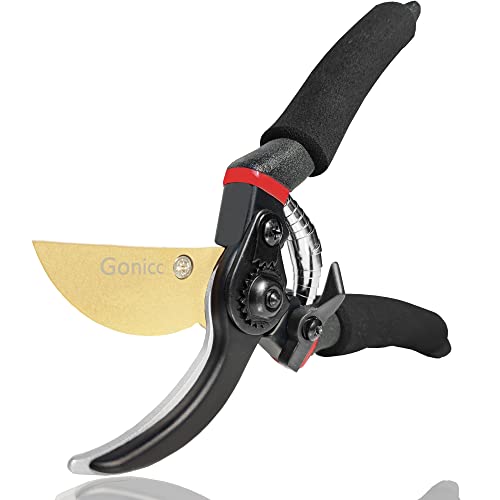
Drop-forged construction delivers exceptional durability and sturdiness for long-term heavy garden use.

Sharp & Rustproof: Our garden scissors are made of premium stainless steel material, which has corrosion resistance and good hardness. Sharp blades can quickly finish pruning tasks for gardens, vegetable gardens, orchards, and indoor plants
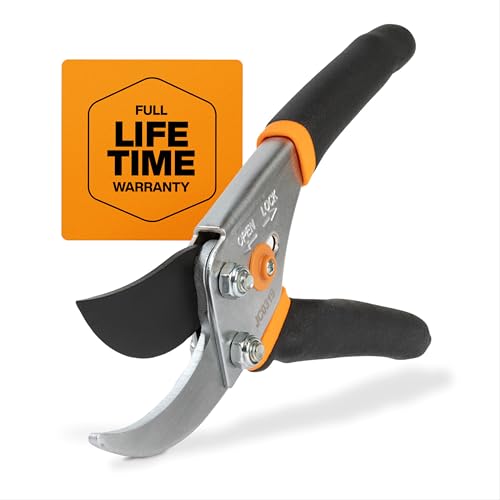
CLEAN CUTS FOR LIVE GROWTH: Bypass blade design is ideal for pruning delicate flower stems and green growth, helping reduce crushing and plant damage while cutting stems and small branches up to 5/8” in diameter
Tools and Techniques
- Gather Essential Tools: Use sharp pruning shears, loppers, and a pruning saw. These tools provide clean cuts that heal quickly.
- Disinfect Tools: Soak tools in a solution of one part bleach to nine parts water. This action prevents the spread of diseases.
- Assess Tree Health: Before pruning, inspect the tree for dead or diseased branches. Prioritize removing these for improved air circulation.
- Choose a Pruning Style: Options include thinning, heading back, and crown reduction. Select the technique based on your tree species and growth patterns.
- Make Clean Cuts: Cut just outside the branch collar to support healing. Avoid tearing the bark, as that can lead to stress or disease.
- Practice Timing: Prune when trees are dormant. Focus on late winter or early spring to ensure maximum visibility of the tree structure.
- Water Adequately: Water deep to support recovery. Ensure the soil remains consistently moist but not waterlogged.
- Mulch Around Base: Apply a layer of organic mulch. This action retains moisture and regulates soil temperature.
- Monitor for Pests: Inspect the tree regularly for signs of pests or disease. Swift action in dealing with issues enhances recovery.
- Fertilize Moderately: Avoid heavy fertilization immediately after pruning. Wait until new growth appears to determine nutrient needs.
- Observe Growth Patterns: Check for new growth during the summer. Make adjustments as necessary to maintain shape and health.
By adhering to these best practices, you’ll promote a thriving ecosystem for your fruit trees, leading to a fruitful harvest.
Conclusion
Pruning your fruit trees at the right time can make all the difference in their health and productivity. By following the tips and guidelines provided you’ll feel more equipped to tackle this essential task. Remember to assess your trees and consider your local climate as you decide when to prune.
With the right tools and techniques you’ll encourage strong growth and a bountiful harvest. So grab those shears and get ready for a fruitful season ahead. Happy pruning!
Frequently Asked Questions
When is the best time to prune fruit trees?
Pruning fruit trees is ideally done during their winter dormancy, typically in late winter or early spring. This timing allows for better visibility of the tree structure and minimizes stress on the tree.
What tools do I need for pruning fruit trees?
Essential tools include sharp pruning shears, loppers, and a saw for larger branches. Make sure to disinfect your tools before use to prevent the spread of diseases.
How can I tell if my fruit tree needs pruning?
Look for signs such as overgrowth, crossed branches, dead or diseased wood, and signs of pest infestations. Regular monitoring can help you identify when pruning is necessary.
What are the best practices for pruning fruit trees?
Gather your tools, disinfect them, and assess the tree’s health. Choose an appropriate pruning style, make clean cuts, and ensure proper care after pruning, such as watering and mulching.
Can I prune fruit trees in the summer?
Typically, summer pruning is not recommended for most fruit trees. However, if you notice excessive growth or dead branches, it’s acceptable to make minor adjustments during this time.
