

Have you ever dreamed of plucking fresh fruit right from your balcony or patio? Growing a fruit tree in a pot might be the perfect solution for you. With limited space and the right care, you can enjoy the satisfaction of nurturing your own tree and savoring delicious homegrown fruit.
Key Takeaways
- Space Efficiency: Growing fruit trees in pots is ideal for small spaces, enabling balcony and patio gardening.
- Choosing Dwarf Varieties: Opt for smaller tree types like ‘Pixie’ apple or ‘Improved Meyer’ lemon, which adapt well to container life.
- Proper Pot Selection: Use pots that are 12 to 24 inches in diameter with drainage holes to support healthy root growth and prevent waterlogged soil.
- Regular Care Practices: Water consistently, apply balanced fertilizers every 4 to 6 weeks, and prune annually for optimal growth and fruit production.
- Monitor and Manage Pests: Keep an eye on your trees for pests and diseases, and use organic solutions like neem oil and beneficial insects to protect your plants.
- Adapt to Environmental Conditions: Ensure adequate sunlight, protect from extreme temperatures, and adjust watering schedules based on weather to promote tree health.
Understanding Fruit Trees in Pots
Growing fruit trees in pots offers a practical solution for urban gardeners and those with limited space. This method allows you to cultivate fresh fruit while enhancing your outdoor space.
Benefits of Growing Fruit Trees in Pots
- Space Efficiency: Pots allow you to grow fruit trees in small areas, such as balconies and patios.
- Mobility: You can easily move pots to capture sunlight, protect from harsh weather, or optimize space.
- Soil Control: Containers give you control over soil quality, ensuring that trees receive optimal nutrients.
- Pest Management: Growing in pots can reduce pest access, leading to healthier plants.
- Watering Precision: You can better manage watering needs, preventing over- or underwatering issues.
- Dwarfed Trees: Look for dwarf varieties like ‘Pixie’ apple or ‘Miniature’ lemon trees. These adapt well to pot life.
- Citrus Trees: Varieties such as ‘Improved Meyer’ lemon and ‘Calamondin’ orange do well in containers and provide fragrant blooms.
- Berry Bushes: Raspberry and blueberry bushes thrive in pots, offering delicious fruits in a compact form.
- Stone Fruits: Choices like ‘Burgundy’ plum or ‘Peach Sorbet’ peach offer tasty yields while staying manageable in size.
- Fig Trees: Figs, such as ‘Petite Negra’ or ‘Little Ruby’, flourish in pots and are perfect for sunny spots.
Choosing the Right Pot
Choosing the right pot is critical for successfully growing a fruit tree in a pot. The correct pot ensures that your tree gets adequate space, drainage, and nutrients.
Recommended Products

Easy Transplantation: The tall design of ENPOINT planting pots helps conserve seeds, resists breakage during shipping, and simplifies the transplanting process. This promotes a higher seedling survival rate and reduces water consumption.

14 Gallon Air Root Pruning Planters - 5 Pack: Each set includes two sheets, one round base, and six screws. There are five sets in total. To ensure the best fit for your plant, please refer to the product dimensions when selecting a root control container

【Material】:Made from quality plastic material,which is light weight and reusable. Soft texture of the nursery pot and not easily damaged,Suitable for various climatic conditions.
Size and Material Considerations
Select a pot that’s at least 12 to 24 inches in diameter for dwarf trees. Larger pots support bigger trees, allowing for proper root growth. Materials matter too. Terra cotta pots offer breathability but may dry out quickly. Plastic pots retain moisture better but may not provide enough airflow. Consider weight as well. Lightweight options allow easy mobility, while heavier materials offer stability against winds.
Drainage and Soil Requirements
Ensure your pot has drainage holes at the bottom to prevent waterlogging. Stagnant water harms roots, leading to rot. A potting mix designed for fruit trees works best. This mix should combine compost, peat moss, and perlite for optimal drainage and nutrients. Aim for a soil pH between 6.0 and 7.0. You can also add mulch on top to help retain moisture and regulate temperature.
Care and Maintenance of Potted Fruit Trees
Caring for potted fruit trees ensures healthy growth and fruit production. You can enjoy bountiful harvests with a few simple practices.
Recommended Products
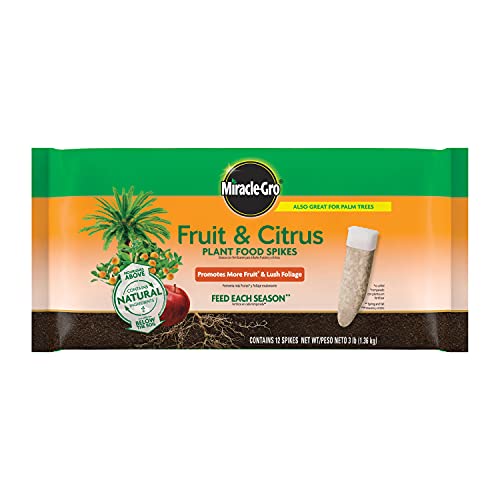
FORMULATED FOR CITRUS AND FRUIT TREES: Use these citrus fertilizer spikes on apple, orange, lemon, lime, and avocado trees; this formula is also great for feeding palm trees

Made for Citrus Tree Plants – Formulated to support healthy growth for Citrus trees and other indoor plants.

Package contains 4 Pounds organic fruit and citrus fertilizer grains and is produced to avoid wasteful runoff, mess, hazards and smells
Watering and Fertilization
Water potted fruit trees thoroughly, allowing the top inch of soil to dry out between waterings. Factor in temperature and humidity, adjusting your watering schedule as necessary. During the growing season, fertilize every 4 to 6 weeks using a balanced, slow-release fertilizer designed for fruit trees. Apply half the recommended dose to prevent over-fertilization, which can harm the tree.
Pruning and Harvesting Techniques
Prune your potted fruit trees annually to promote healthy growth and improve air circulation. Focus on removing dead, diseased, or crowded branches. Shape the tree by cutting back long growths and maintaining a balanced form. Timing matters; prune in late winter or early spring before new growth begins.
When it comes to harvesting, wait until fruits are fully ripe for the best flavor. Check regularly, as potted trees may ripen faster due to warmer conditions. Gently twist or cut the fruit from the tree to avoid damage.
Common Challenges and Solutions
Growing a fruit tree in a pot presents unique challenges, but with the right strategies, you can overcome them successfully.
Pest and Disease Management
Pests and diseases can harm potted fruit trees. Monitor your trees regularly for signs of infestations, such as discolored leaves or small insects. To prevent issues, consider these solutions:
- Use Neem Oil: Spray neem oil on leaves to deter pests like aphids and spider mites.
- Introduce Beneficial Insects: Ladybugs can help control pest populations naturally.
- Maintain Hygiene: Clean fallen leaves and debris around the pot to reduce disease risk.
- Choose Resistant Varieties: Select disease-resistant fruit varieties to minimize your risk.
Environmental Factors
Environmental factors impact the health and yield of potted fruit trees. Managing these elements ensures success in your gardening efforts. Focus on these areas:
- Light Exposure: Ensure your tree receives at least 6 to 8 hours of sunlight daily. Rotate your pots periodically to promote even growth.
- Temperature Control: Protect your trees from extreme temperatures. Bring pots indoors during frost or extreme heat, using a temperature range between 60°F and 75°F.
- Watering Schedule: Adjust watering based on weather conditions. In hot weather, you may need to water daily, while less frequent watering suffices during cooler months.
- Humidity Levels: Improve humidity by misting leaves or placing a tray of water near the pot to combat dry indoor air.
Address these challenges using practical solutions, ensuring your potted fruit trees flourish and produce delicious fruit.
Conclusion
Growing a fruit tree in a pot can be a rewarding experience that brings fresh flavors right to your doorstep. With the right care and attention you can enjoy the beauty of a fruit tree even in limited spaces.
Choosing the right variety and pot is key to your success. Remember to monitor your tree for pests and adjust your watering as needed.
As you nurture your potted tree you’ll not only cultivate delicious fruit but also a sense of accomplishment. So go ahead and give it a try—your homegrown bounty awaits!
Frequently Asked Questions
Can I grow fruit trees in pots?
Yes, you can grow fruit trees in pots! This method is ideal for small spaces like balconies and patios, allowing you to nurture and enjoy fresh, homegrown fruit.
What types of fruit trees are best for pots?
Suitable fruit trees for pot cultivation include dwarf varieties like ‘Pixie’ apple, citrus trees such as ‘Improved Meyer’ lemon, berry bushes like raspberries and blueberries, as well as stone fruits like ‘Burgundy’ plum and fig trees like ‘Petite Negra.’
How big should the pot be for a fruit tree?
Choose a pot that is at least 12 to 24 inches in diameter for dwarf trees. Proper pot size promotes healthy root growth and ensures the tree has enough nutrients and water.
What soil should I use for potted fruit trees?
A specialized potting mix that combines compost, peat moss, and perlite is recommended. Ensure the soil pH is between 6.0 and 7.0 for optimal growth.
How do I water my potted fruit tree?
Water thoroughly and allow the top inch of soil to dry out between waterings. Adjust your schedule based on temperature and humidity to prevent overwatering.
How often should I fertilize my potted fruit tree?
During the growing season, fertilize every 4 to 6 weeks with a balanced, slow-release fertilizer. Use half the recommended dose to avoid over-fertilization.
When should I prune my potted fruit tree?
Prune your potted fruit tree in late winter or early spring to promote healthy growth and improve air circulation. This helps prevent diseases and boosts fruit production.
How can I manage pests and diseases in potted fruit trees?
Monitor your trees for signs of pest infestations and use neem oil or beneficial insects like ladybugs. Maintain hygiene and good cultural practices to minimize disease risks.
What environmental conditions do potted fruit trees need?
Potted fruit trees need adequate light exposure and temperature control. Adjust watering schedules based on weather conditions to ensure the health and yield of your trees.
When is the best time to harvest fruit from potted trees?
Wait until fruits are fully ripe for the best flavor. Handle them gently during harvest to avoid damage, ensuring you can enjoy the fruits of your labor.
