

Walnut trees can grow in pots in Kansas, but they require specific conditions for successful growth. Proper selection of pot size, soil type, and protection strategies are essential to ensure these trees thrive in a container environment.
Pot Selection for Healthy Walnut Growth
Choosing the right pot is crucial for the successful growth of walnut trees in Kansas. The pot must provide adequate space for root development while ensuring proper drainage and aeration. This section will explore the best potting options to support healthy walnut tree growth in a container environment.
Choosing the correct pot is crucial for the health of walnut trees. A large, sturdy pot with adequate drainage will provide the necessary space for root development. Consider the following factors when selecting a pot:
Size: A pot with a minimum diameter of 24 inches is recommended.
Material: Use materials like ceramic or heavy-duty plastic to withstand weather changes.
Drainage: Ensure the pot has multiple drainage holes to prevent waterlogging.
| Pot Material | Pros | Cons |
|---|---|---|
| Ceramic | Durable, aesthetic | Heavy, can crack |
| Plastic | Lightweight, affordable | May not insulate roots well |
| Wood | Natural look, good insulation | Can rot if untreated |
Recommended Products

Tall Flower Pots Plastic Seedling Pots --- STURDY AND REUSABLE MATERIAL: These tall plant pots are made of quality plastic material, waterproof and lightweight, not easy to deform or break, suitable for various climatic conditions, sturdy for long term use

Potted Walnut Tree Soil Mix Essentials
Growing walnut trees in pots can be a rewarding endeavor, especially in Kansas where conditions can vary. Selecting the right soil mix is crucial for ensuring healthy growth and development. This section outlines the essential components needed for a suitable potted walnut tree soil mix, helping you create an ideal environment for your tree to thrive.
The soil mix is vital for walnut trees in pots. A well-draining, nutrient-rich potting mix will support healthy growth. Here are key components to include:
Organic matter: Incorporate compost to enhance soil fertility.
Perlite or vermiculite: These materials improve drainage and aeration.
pH level: Aim for a pH between 6.0 and 7.5 for optimal growth.
Ideal Soil Blend for Potted Walnuts
Growing walnut trees in pots in Kansas requires careful attention to soil composition. The right soil blend is crucial for ensuring healthy growth and optimal nutrient absorption. This section explores the ideal soil mix that supports the unique needs of potted walnut trees in the region’s climate.
| Component | Ratio |
|---|---|
| Potting soil | 50% |
| Compost | 30% |
| Perlite | 20% |
Walnut Tree Pot Protection Techniques
Growing walnut trees in pots can be a rewarding endeavor, especially in Kansas where the climate poses unique challenges. To ensure the health and vitality of these trees, it’s essential to implement effective protection strategies that address temperature fluctuations, moisture levels, and pest management. This section explores various techniques to safeguard your potted walnut trees throughout the seasons.
Walnut trees in pots require protection from environmental stressors. Extreme temperatures and pests can hinder their growth. Implement these strategies:
Temperature control: Move pots indoors during winter to protect from frost.
Pest management: Regularly inspect for pests like aphids and treat with insecticidal soap.
Watering schedule: Maintain consistent moisture without overwatering.
Recommended Products

Sturdy Material, Porous and Breathable: our tree wrap is made of jute burlap material. It was light weight so it didn't hurt the plants and keeping them warm saved them from freezing, and dries faster than most wraps after it gets wet so the danger of rotting is broken

【Winter Protection 】Tree trunk protector provides ultimate winter plant covers freeze protection, designed to shield your plants from frost, snow, freezing rain, and ice, keeping them safe and healthy through the harshest winter conditions.
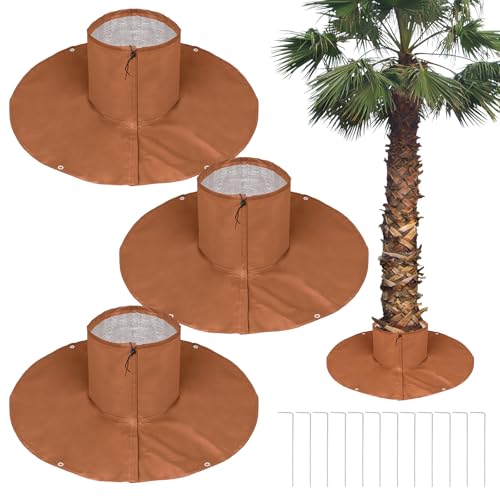
Package Includes: You will receive 3 palm tree root protectors; each measures 11.8 x 11.8 x 39.4 inches and features a sleek, elegant silver appearance, meeting the root protection needs of multiple palm trees.
Pot Care Strategies for Walnut Trees
Growing walnut trees in pots can be a rewarding endeavor, especially in Kansas where climate conditions can be challenging. Proper care is essential to ensure these trees thrive in a container environment. This section outlines effective pot care strategies to help you successfully nurture walnut trees in your home or garden.
| Season | Care Tips |
|---|---|
| Spring | Fertilize with a balanced fertilizer |
| Summer | Ensure consistent watering and check for pests |
| Fall | Prepare for winter by reducing watering |
| Winter | Move indoors or provide insulation |
Fertilization Guidelines for Potted Walnut Trees
Growing walnut trees in pots in Kansas requires careful attention to their nutritional needs. Proper fertilization is crucial to ensure healthy growth and fruit production. This section outlines effective fertilization strategies tailored for potted walnut trees, helping you maintain optimal soil health and promote vigorous development.
Regular fertilization is essential for the growth of walnut trees in pots. A balanced fertilizer will provide the necessary nutrients. Follow these guidelines:
Frequency: Fertilize every 4-6 weeks during the growing season.
Type: Use a slow-release fertilizer to ensure a steady nutrient supply.
Application: Follow the manufacturer’s instructions for dosage.
Pot Fertilization Guidelines for Walnut Trees
Growing walnut trees in pots can be a rewarding endeavor, especially in Kansas, where specific care is essential for their health. Proper fertilization is crucial to ensure these trees thrive in a confined space, as it directly impacts their growth and fruit production. Understanding the right fertilization strategies will help maximize their potential while accommodating their unique needs.
| Fertilizer Type | N-P-K Ratio | Application Rate |
|---|---|---|
| Slow-release granules | 10-10-10 | 1 pound per 10 gallons of soil |
| Liquid fertilizer | 20-20-20 | 1 tablespoon per gallon of water |
Potted Walnut Tree Growth Issues in Kansas
Growing walnut trees in pots can present unique challenges, especially in Kansas where climate and soil conditions vary. This section explores the specific growth issues faced by potted walnut trees in the region, including temperature fluctuations, root space limitations, and pest management, providing insights for successful cultivation. Understanding these factors is crucial for gardeners looking to thrive with walnut trees in containers.
Growing walnut trees in pots can present specific challenges. Understanding these issues can help in effective management. Common challenges include:
Root bound: If roots outgrow the pot, transplant into a larger container.
Nutrient deficiency: Monitor leaf color and growth patterns for signs of nutrient needs.
Water stress: Adjust watering frequency based on weather conditions.
Nutrient Deficiency Indicators in Walnut Trees
Understanding the nutrient needs of walnut trees is essential for successful cultivation, especially when grown in pots. In Kansas, where environmental conditions can vary, recognizing the signs of nutrient deficiencies can help ensure these trees thrive. This section will explore the key indicators that suggest your walnut tree may be lacking essential nutrients.
Yellowing leaves may indicate nutrient deficiency.
Wilting leaves can signal underwatering or overwatering.
Stunted growth often points to root-bound conditions.
Optimal Care for Potted Walnut Trees
Growing walnut trees in pots can be a rewarding endeavor, especially in Kansas where climate conditions can be challenging. To ensure these trees thrive, it’s essential to understand their specific care requirements, including soil type, watering needs, and sunlight exposure. Proper attention to these factors will help maximize growth and health in a container environment.
Walnut trees can thrive in pots with the right care and conditions. Focus on selecting the appropriate pot, soil mix, and protection strategies to ensure healthy growth. Regular monitoring and adjustments will help overcome challenges associated with container gardening.
