

Tangerine trees can grow in Alaska with the right greenhouse conditions. Utilizing a well-designed greenhouse allows for temperature control and protection from harsh weather, enabling successful cultivation of these citrus trees.
Tangerine Tree Growth Conditions in Cold Climates
Tangerine trees thrive in warm, temperate climates, making their growth in colder regions like Alaska a challenge. Understanding the specific conditions required for these trees to flourish is essential for gardeners looking to cultivate them in less-than-ideal environments. This section explores the unique growth conditions necessary for tangerine trees to succeed in cold climates.
Tangerine trees thrive in warm climates, requiring specific conditions for optimal growth. They need well-draining soil, ample sunlight, and consistent moisture. In Alaska, the challenge lies in providing these conditions year-round, especially during the long winters.
Recommended Products
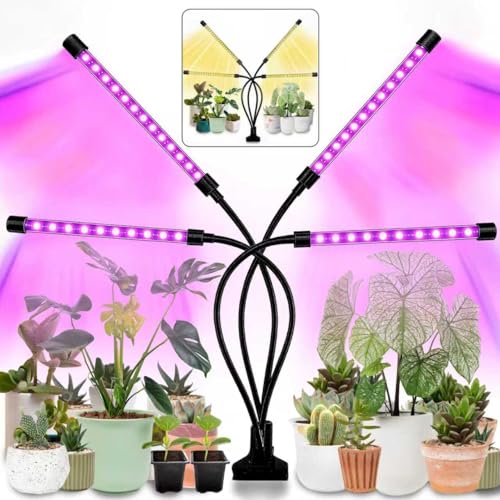
🌻Efficient LED Combination: This LED lamp has grow lights made up of 80 efficient growing LEDs ( 32 red lights, 12 blue lights,20 yellow lights and 16 white lights). It meets the conditions of plant growth without sunlight. 1--Full Spectrum(380nm-800nm): Suitable for all plants to root and sprout. 2--Red(660nm)+BLUE(460nm) Spectrum: for blooming and fruits. 3--Red+Blue+Full Spectrum: A mix of Red+Blue+Warm White is best to fuel the growth of your plants.

【Waterproof Grow Light】Espird LED grow light is waterproof. High-strength waterproof aluminum lampshade, waterproof serial connector, IP44 waterproof rank, this LED grow light can be used as indoor grow light and outdoor grow lights. Besides, strong heat dissipation efficiency, sturdiness and durability make sure this plant grow light can stand the test of time.

FULL SPECTRUM: This grow Light can imitate the spectrum of sunlight giving your plants the perfect quality of light. Our 660nm Red-Light enhancement is catered towards sprouting, flowering, and fruit yielding plants and can give them the capability to grow to their full potential.
Optimal Greenhouse Design for Tangerines
Creating the right environment for tangerine trees in Alaska requires careful consideration of greenhouse design. Factors such as temperature control, humidity levels, and light exposure play crucial roles in fostering healthy growth. This section explores the essential elements of an optimal greenhouse setup to ensure your tangerine trees thrive despite the challenging climate.
A greenhouse is crucial for growing tangerine trees in Alaska. The structure must provide insulation and maintain a stable temperature. Key features include:
Heating System: A reliable heating system ensures that temperatures remain above freezing during winter months.
Ventilation: Proper ventilation prevents overheating and maintains humidity levels.
Lighting: Supplemental grow lights can help mimic the sunlight tangerine trees need during shorter days.
Nutrient-Rich Soil for Tangerine Trees
Tangerine trees thrive in nutrient-rich soil, which is essential for their growth and fruit production. In Alaska’s unique climate, understanding how to create and maintain this type of soil in a greenhouse setting is vital for successful cultivation. This section explores the key components and strategies for ensuring optimal soil conditions for tangerine trees in challenging environments.
Soil quality directly impacts tangerine tree health. A well-balanced mix of nutrients is essential for growth. Consider the following components:
| Soil Component | Purpose |
|---|---|
| Peat Moss | Retains moisture and improves soil structure |
| Perlite | Enhances drainage and aeration |
| Fertilizer | Provides essential nutrients like nitrogen and potassium |
Regular soil testing can help determine nutrient levels and guide fertilization schedules.
Greenhouse Watering Strategies for Tangerine Trees
Growing tangerine trees in Alaska presents unique challenges, particularly when it comes to watering in a greenhouse environment. Understanding effective watering strategies is crucial for maintaining optimal moisture levels and ensuring healthy growth. This section delves into expert tips and techniques tailored specifically for cultivating tangerine trees in colder climates.
Watering is critical for tangerine trees, especially in a greenhouse setting. Overwatering can lead to root rot, while underwatering can stress the plants. Implement these techniques:
Drip Irrigation: This method delivers water directly to the roots, minimizing waste and ensuring consistent moisture.
Moisture Sensors: Use sensors to monitor soil moisture levels and automate watering schedules.
Tangerine Tree Pest Prevention Strategies
Tangerine trees can face various pests, especially in less-than-ideal growing conditions like Alaska. Effective pest prevention strategies are crucial for maintaining healthy trees and ensuring a fruitful harvest. Understanding these methods will help greenhouse growers protect their plants from potential threats and enhance their overall yield.
Pests and diseases can threaten tangerine trees, even in controlled environments. Regular monitoring and preventive measures are essential. Focus on these strategies:
Integrated Pest Management (IPM): Combine biological, cultural, and chemical methods to control pests effectively.
Disease Resistance: Select disease-resistant tangerine varieties to reduce the risk of infections.
Tangerine Harvesting Techniques and Storage
Harvesting tangerines in Alaska presents unique challenges due to the region’s climate. Understanding the right techniques for picking and storing these fruits is essential for maximizing yield and quality. This section explores effective methods to ensure that your tangerine harvest remains fresh and flavorful, even in less-than-ideal conditions.
Once tangerines are ripe, proper harvesting techniques ensure quality fruit. Handle the fruit carefully to avoid bruising. Store harvested tangerines in a cool, dry place to extend shelf life.
Always monitor for signs of spoilage or rot during storage.
Greenhouse Investment for Tangerine Cultivation
Investing in a greenhouse can be a game-changer for growing tangerine trees in Alaska’s challenging climate. By creating a controlled environment, you can optimize conditions for these citrus trees, ensuring they receive the warmth and light they need to thrive. Understanding the costs and benefits of greenhouse cultivation is essential for successful tangerine production in this unique setting.
Investing in a greenhouse and necessary equipment can be significant. Budget for:
| Expense | Estimated Cost |
|---|---|
| Greenhouse Structure | $2,000 – $10,000 |
| Heating System | $500 – $2,000 |
| Grow Lights | $100 – $500 |
| Soil and Fertilizers | $200 – $500 |
Understanding these costs helps in planning your tangerine cultivation project effectively.
Winter and Summer Care for Tangerine Trees
Caring for tangerine trees in Alaska requires special attention to their seasonal needs. Understanding the distinct challenges of winter and summer conditions is crucial for successful growth. This section will explore effective strategies to ensure your tangerine trees thrive year-round, even in the unique climate of Alaska.
Seasonal changes require adjustments in care. During winter, increase heating and reduce watering frequency. In summer, ensure adequate ventilation and monitor for pests.
Neglecting seasonal adjustments can lead to poor tree health.
Tangerine Cultivation Tips for Alaskan Greenhouses
Growing tangerines in Alaska may seem unlikely due to the state’s harsh climate, but with the right greenhouse techniques, it can be achieved. This section offers practical tips and expert advice on how to cultivate tangerine trees successfully in an Alaskan greenhouse environment, ensuring optimal growth and fruit production despite the challenges posed by the local weather.
Growing tangerine trees in Alaska is feasible with the right greenhouse setup and management practices. By focusing on temperature control, soil quality, and pest management, you can successfully cultivate these citrus trees in a challenging climate.
