

Growing Mulberry Trees in Virginia’s Piedmont region requires specific attention to climate, soil conditions, and care practices. Proper selection of tree varieties and understanding local growing conditions are essential for successful cultivation and fruit production.
Piedmont Mulberry Variety Selection Guide
Choosing the appropriate mulberry variety is crucial for optimal growth and fruit yield. In Virginia, the White Mulberry and Black Mulberry are popular choices due to their adaptability and hardiness. The Red Mulberry is native to the region and offers excellent flavor.
White Mulberry: Fast-growing, produces sweet fruit, prefers well-drained soil.
Black Mulberry: Rich flavor, larger fruit, thrives in moist, well-drained areas.
Red Mulberry: Native species, attracts wildlife, requires moderate care.
Piedmont Soil and Climate Requirements for Mulberries
Understanding the specific soil and climate conditions of Virginia’s Piedmont region is essential for successfully growing mulberry trees. This section delves into the unique environmental factors that influence mulberry cultivation, providing valuable insights for gardeners and farmers looking to optimize their yields and ensure healthy tree development in this particular area.
Mulberry trees thrive in well-drained, loamy soils with a pH between 6.0 and 7.0. The Piedmont region experiences a temperate climate, which is generally favorable for mulberry growth.
Soil Preparation: Test soil pH and amend with lime if necessary.
Drainage: Ensure proper drainage to prevent root rot.
Climate Considerations: Mulberries tolerate drought but prefer consistent moisture.
Effective Mulberry Tree Planting Techniques
Planting mulberry trees in Virginia’s Piedmont region requires careful consideration of local conditions and techniques to ensure successful growth. This section outlines effective planting methods that take into account soil type, spacing, and climate, providing practical guidance for both novice and experienced gardeners looking to cultivate these versatile trees.
Proper planting techniques significantly influence the establishment and growth of mulberry trees. Choose a location with full sun exposure to enhance fruit production.
Select a Planting Site: Ensure at least six hours of sunlight daily.
Dig a Hole: Create a hole twice the width and depth of the root ball.
Position the Tree: Place the tree in the center, ensuring the root flare is above soil level.
Backfill and Water: Fill the hole with soil and water thoroughly.
| Step | Action | Details |
|---|---|---|
| 1 | Select Site | Full sun, well-drained soil |
| 2 | Dig Hole | Twice the width of root ball |
| 3 | Position Tree | Root flare above soil |
| 4 | Backfill | Water thoroughly |
Mulberry Tree Care Techniques for Virginia
Caring for mulberry trees in Virginia’s Piedmont region requires specific techniques tailored to the local climate and soil conditions. Understanding the best practices for watering, pruning, and pest management will help ensure healthy growth and abundant fruit production. This section outlines essential care strategies to optimize the health and yield of your mulberry trees.
Regular care is essential for the health of mulberry trees. This includes watering, fertilizing, and pruning.
Watering: Provide deep watering during dry spells to promote root development.
Fertilizing: Apply a balanced fertilizer in early spring to support growth.
Pruning: Trim dead or crossing branches to improve air circulation and fruit quality.
Mulberry Pest and Disease Control Methods
Maintaining healthy mulberry trees in Virginia’s Piedmont region requires vigilance against pests and diseases that can threaten their growth. Understanding the common issues that affect these trees and implementing effective control methods is essential for successful cultivation. This section explores practical strategies to protect your mulberry trees from potential harm.
Mulberry trees can face various pests and diseases that may affect their health and productivity. Regular monitoring and timely interventions are necessary.
Common Pests: Aphids, spider mites, and fruit flies.
Diseases: Root rot and leaf spot.
Management Practices: Use organic insecticides and ensure proper spacing for air circulation.
Recommended Products
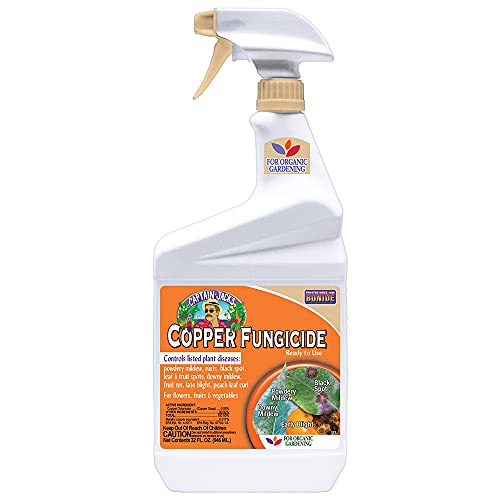
Control fungus and disease in your garden with Captain Jack’s ready-to-use Liquid Copper Fungicide!

3-IN-1 PLANT CARE: 3-In-1 Insect, Disease & Mite Control is insect control, disease control, and plant mite control all in on; Delivers protection for up to 14 days

KILLS LISTED FRUIT & CITRUS TREE INSECTS: Controls Asian Citrus Psyllid, Whiteflies, Aphids Thrips, Citrus Leafminers, Leafhoppers, Blackfly, Mealybugs, Scales, Avocado Lacebugs, Oriental Beetles, Flea Beetles, Sharpshooters, and Spittlebugs
Optimal Timing for Mulberry Harvest
Understanding the optimal timing for harvesting mulberries is crucial for maximizing fruit quality and yield in Virginia’s Piedmont region. This section will explore the best practices and seasonal indicators that ensure you gather your mulberries at their peak ripeness, helping you achieve the sweetest and most flavorful results.
Harvesting mulberries at the right time ensures the best flavor and quality. The fruit typically ripens from late spring to early summer.
Harvest Timing: Look for dark, plump berries that easily detach from the stem.
Usage: Fresh consumption, jams, jellies, or baking.
Mulberry Tree Growth Problem Solutions
Growing mulberry trees in Virginia’s Piedmont region can present unique challenges. From pest infestations to soil issues, these problems can hinder healthy growth and fruit production. Understanding effective solutions is essential for cultivating robust trees that thrive in this specific climate.
Identifying and addressing problems early can save your mulberry trees from decline. Common issues include poor fruit set and leaf discoloration.
Poor Fruit Set: Check for insufficient pollination or nutrient deficiencies.
Leaf Discoloration: Assess for pest infestations or watering issues.
Critical Warning: Always monitor for signs of stress or disease to maintain healthy trees.
Mulberry Cultivation Space and Equipment Planning
When planning to cultivate mulberry trees in Virginia’s Piedmont region, it’s essential to consider both the space requirements and the necessary equipment. Proper planning ensures optimal growth conditions and facilitates effective management practices, ultimately leading to a successful harvest. Understanding these factors will help you create a productive environment for your mulberry trees.
Understanding the logistics of mulberry cultivation can streamline your growing experience. This includes planning for space, equipment, and seasonal care.
Space Requirements: Allow at least 15-20 feet between trees for optimal growth.
Essential Tools: Shovel, pruning shears, and soil testing kit.
Seasonal Care: Adjust care routines based on seasonal changes and weather conditions.
Final Verdict: Growing mulberry trees in Virginia’s Piedmont region is feasible with the right knowledge and practices.
