

Have you ever wondered if it’s possible to plant raspberries in the fall? Picture this: the crisp autumn air, vibrant foliage all around, and the thought of growing your own delicious raspberries right in your backyard. But can you really plant them during this season?
In this article, we’ll explore the ins and outs of planting raspberries in the fall. You’ll discover practical tips, benefits, and considerations for successfully starting a raspberry patch at this time of year. By the end, you’ll be equipped with the knowledge to kickstart your fall raspberry planting journey with confidence.
Key Takeaways
- Fall planting of raspberries promotes improved root growth, leading to healthier plants with strong root systems.
- Planting raspberries in the fall allows for early spring growth, resulting in quicker emergence of new shoots and leaves for earlier fruit production.
- Select raspberry varieties carefully based on preferences and growing conditions, such as summer-bearing or everbearing types.
- Proper soil preparation in the fall is essential for successful raspberry planting, including soil testing, amendments, and correct planting depth.
- Care and maintenance tasks like mulching for winter protection, watering, fertilizing, and pest management are crucial for the health and productivity of fall-planted raspberries.
Benefits of Fall Planting for Raspberries
Fall planting offers several advantages for growing raspberries that can lead to a successful harvest. Here are some key benefits to consider:
Improved Root Growth
Planting raspberries in the fall allows them to focus on root establishment during the cooler months. With less energy spent on above-ground growth, raspberry plants can develop strong and extensive root systems. This enhanced root growth sets the stage for healthier plants that are better equipped to absorb nutrients and water efficiently, leading to robust growth in the following seasons.
Early Spring Growth
By planting raspberries in the fall, you give them a head start for the next growing season. The established root systems from fall planting enable raspberry plants to begin growing earlier in spring, promoting quicker emergence of new shoots and leaves. This early growth advantage can result in earlier fruit production and a longer harvesting period, allowing you to enjoy fresh raspberries sooner than if you had planted them in spring.
Choosing the Right Raspberry Varieties
When selecting raspberry varieties for your fall planting, it’s essential to consider factors like climate suitability and fruiting habits. Here are some key points to keep in mind when choosing the right raspberry varieties:
Recommended Products
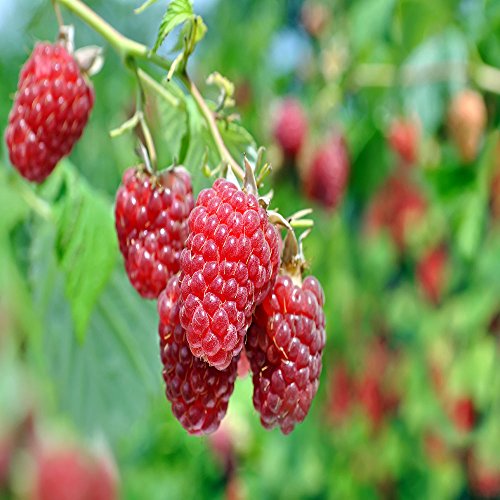
Sweet - Thornless - High Yielding
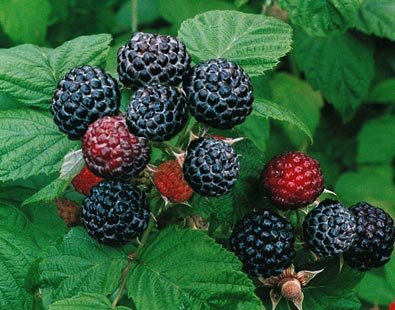
Sweet - Thornless - High Yielding

Everbearing Variety: Enjoy two harvests of sweet, delicious red raspberries each year with this Heritage variety that produces fruit in both summer and fall, providing you with an extended harvest season for fresh berries throughout the growing months
Summer-Bearing Raspberries
Opt for summer-bearing raspberry varieties if you prefer a bountiful harvest during a specific season. These raspberries typically produce fruit on second-year canes, meaning you’ll enjoy a robust yield once they mature. Popular summer-bearing varieties include:
- Heritage
- Latham
- Tulameen
Everbearing Raspberries
If you desire a more extended harvesting period, everbearing raspberries might be the ideal choice for your fall planting project. These varieties offer two distinct harvests: one in early summer on the previous year’s canes and another in early fall on current-season canes. Consider these well-known everbearing raspberry options:
- Caroline
- Anne
- Polana
By selecting the appropriate raspberry varieties based on your preferences and growing conditions, you can ensure a successful fall planting experience that leads to an abundant raspberry harvest in the seasons to come.
Preparing the Soil in Fall
When planting raspberries in the fall, ensuring your soil is primed for growth is crucial. Here’s how you can prepare the soil effectively:
Recommended Products

Quick, at home results for Soil pH, Nitrogen, Phosphorous and Potash Innovative and inexpensive soil test kit features an easy-to-use capsule system and patented color comparators

Accurate Soil pH Testing: Dewildetradingco Soil pH Test Strips offer measurements of soil pH levels (pH 3.5-9). As an essential tool for every gardener and grower, these test strips help determine the optimal pH for various plants, such as outdoor plants, indoor plants, gardens, grass lawns, fruit trees, flowers, vegetables, and forest shrubs.

Kindly NOTE: This soil tester can not be applied to test pH value of any other liquid. If the soil is too dry the indicator will not move, and water it before testing.
Soil Testing and Amendments
Before planting raspberries, conduct a soil test to determine its pH level and nutrient content. You can easily get DIY soil testing kits from garden centers or contact your local agricultural extension office for professional testing. Based on the results, adjust the pH levels if needed by adding amendments like lime to raise pH or sulfur to lower it. Incorporate organic matter such as compost or well-rotted manure to improve soil structure and fertility.
Proper Planting Depth and Spacing
When planting raspberries in the fall, ensure they are set at the correct depth for optimal growth. Dig a hole deep enough to accommodate the roots without bending them; typically, this is around 2-3 inches deeper than they were previously planted. Space raspberry plants approximately 2-3 feet apart in rows that are 8 feet apart for adequate airflow and easy maintenance. Avoid overcrowding to prevent competition for nutrients and sunlight among plants.
By following these steps, you’ll create an ideal environment for your fall-planted raspberries to thrive and yield abundant harvests in the seasons to come.
Care and Maintenance for Fall-Planted Raspberries
When it comes to caring for your fall-planted raspberries, there are essential tasks you need to undertake to ensure their health and productivity. Here’s how you can maintain your raspberry plants during the fall season:
Mulching for Winter Protection
Mulching is a crucial step in protecting your fall-planted raspberries during the winter months. By applying a layer of mulch around the base of the plants, you help insulate the soil, regulate temperature fluctuations, and prevent frost heaving. Good mulch options include straw, pine needles, or wood chips. Aim for a thickness of 2-3 inches to provide adequate insulation without smothering the plants.
Watering and Fertilizing Guidelines
Proper watering and fertilizing are key components of maintaining healthy raspberry plants. During the fall season, it’s important to monitor soil moisture levels regularly. While raspberries don’t require as much water in the fall as they do during active growth periods, they still need consistent moisture to support root development.
When it comes to fertilizing fall-planted raspberries, avoid using high-nitrogen fertilizers that promote new growth before dormancy sets in. Instead, opt for a balanced fertilizer or one specifically formulated for fruit-bearing plants. Apply fertilizer according to package instructions, ensuring even distribution around each plant.
By following these care and maintenance guidelines for your fall-planted raspberries, you’ll set them up for success in the coming seasons. Proper mulching, watering practices, and appropriate fertilization will help your raspberry plants thrive and produce bountiful harvests year after year.
Potential Challenges and Solutions
When planting raspberries in the fall, you may encounter some challenges, but with proper care and attention, you can address them effectively. Here are potential challenges you might face and solutions to overcome them:
Recommended Products

Berries have multiple uses; ideal for fresh eating, making jams, baking fillings, or dessert garnishes, providing homegrown ingredients for your family table.

Sweet - Thornless - High Yielding
Cold Weather Vulnerability
Protecting your fall-planted raspberries from cold weather is crucial for their survival and future growth. In regions with harsh winters, raspberries are susceptible to frost damage. To mitigate this risk:
- Solution: Mulch around the raspberry plants with a layer of organic material such as straw or wood chips before the first frost. This will help insulate the roots and protect them from extreme temperatures.
- Example: In areas where winter temperatures drop significantly, adding an extra layer of mulch can provide added insulation for the plants.
Pest and Disease Management
Pests and diseases can pose a threat to your fall-planted raspberries if left unchecked. It’s essential to monitor your plants regularly for any signs of infestation or disease symptoms. Here’s how you can manage pest and disease issues:
- Solution: Implement good garden hygiene practices by removing any fallen leaves or debris around the raspberry plants to reduce hiding spots for pests.
- Example: Aphids are common pests that can affect raspberry plants; spraying insecticidal soap on affected areas can help control their population without harming beneficial insects.
By being proactive in addressing these challenges through proper care techniques, you can ensure that your fall-planted raspberries thrive and yield a bountiful harvest in the seasons to come.
Conclusion
You’ve learned about the advantages of fall planting for raspberries, including enhanced root development and early spring growth. Remember to choose the right raspberry varieties and prepare your soil properly. Don’t forget essential tasks like mulching for winter protection, correct watering techniques, and fertilizing practices. Be proactive in addressing challenges such as cold weather sensitivity and pest control by employing insulation methods and maintaining good garden hygiene. By applying these insights, you’ll set your fall-planted raspberries up for success, ensuring thriving plants and abundant harvests in the seasons to come.
Frequently Asked Questions
Why is fall planting beneficial for raspberries?
Fall planting allows raspberries to establish strong root systems before winter, leading to improved growth and fruit production in the following spring.
What are the key steps for soil preparation in the fall when planting raspberries?
In the fall, prepare soil by removing weeds, loosening the ground, adding compost or organic matter, and ensuring proper drainage to create an optimal environment for raspberry growth.
How can mulching help protect fall-planted raspberries during winter?
Mulching provides insulation against freezing temperatures, helps retain moisture in the soil, prevents weed growth, and protects roots from frost damage.
What are some important care tips for maintaining fall-planted raspberries?
Proper watering throughout the season, timely fertilization based on soil test results, and regular pruning of dead canes are essential for healthy raspberry plants.
How can gardeners address cold weather vulnerability when planting raspberries in the fall?
To protect against cold weather damage, consider using row covers or applying additional mulch around raspberry plants for added insulation during extreme cold spells.
What measures can be taken to manage pests when growing fall-planted raspberries?
Implement good garden hygiene practices such as removing fallen leaves and debris regularly to reduce pest habitats. Additionally, use natural predators or organic pesticides if pest infestations occur.
