

Have you ever wondered how long you’ll have to wait before your plum trees start producing delicious fruit? If you’ve planted these beautiful trees in your yard, you’re probably eager to enjoy their sweet rewards.
Understanding the timeline for fruit-bearing can help you set realistic expectations and plan your garden better. This article will walk you through the typical growth stages of plum trees and the factors that influence when they’ll finally bear fruit. By the end, you’ll have a clearer picture of what to expect and how to care for your trees to ensure a bountiful harvest.
Key Takeaways
- Timeline for Fruit Production: Plum trees typically start bearing fruit within 3 to 6 years after planting, with European varieties taking longer than Japanese ones.
- Types of Plum Trees: There are mainly two types: European (larger fruit, cooler climate) and Japanese (quicker fruit production, juicier plums). Choosing the right type for your region is crucial.
- Ideal Growing Conditions: Plum trees require full sun (6-8 hours daily), well-draining soil (pH of 6.0 to 7.0), and adequate spacing to thrive and enhance fruit yield.
- Factors Influencing Fruiting: The age of the tree, growing environment (sunlight, soil, watering, temperature), and proper care directly affect how quickly plum trees produce fruit.
- Pruning and Care: Regular pruning, fertilization, and consistent watering help strengthen plum trees and encourage earlier fruit production while maintaining tree health.
- Realistic Expectations: Understanding the growth timeline and factors influencing fruiting helps in setting realistic expectations for your plum harvest while allowing for better garden planning.
Understanding Plum Trees
Plum trees are a popular choice for gardeners looking to grow their own fruit. They offer not only delicious plums but also beautiful blossoms in spring. Understanding the types of plum trees and their ideal growing conditions helps set you up for success in cultivating these fruit-bearing beauties.
Types of Plum Trees
You can categorize plum trees into two main types: European and Japanese.
- European Plum Trees: These trees typically produce larger, firmer fruit. They thrive in cooler climates and are more tolerant of diseases. Varieties include ‘Damson,’ ‘Victoria,’ and ‘Italian.’
- Japanese Plum Trees: These varieties tend to bear fruit quicker than their European counterparts. They produce juicier and sweeter plums. Notable varieties include ‘Santa Rosa,’ ‘Satsuma,’ and ‘Shiro.’
Each type has unique characteristics that influence fruit flavor, texture, and preferred climates. Choosing the right type for your area can enhance your chances of a fruitful harvest.
Ideal Growing Conditions
For plum trees to thrive, specific growing conditions are essential. Consider these factors:
- Sunlight: Plum trees need full sun exposure, ideally receiving at least 6 to 8 hours of sunlight daily. This encourages healthy growth and fruit production.
- Soil: Well-draining soil is crucial. Sandy or loamy soils with a pH level between 6.0 and 7.0 work best. Test your soil and adjust accordingly if necessary.
- Watering: Regular watering strengthens young trees. Ensure consistent moisture without waterlogging. Deep watering is beneficial, especially in dry periods.
- Temperature: Plum trees prefer temperate climates. They need a chilling period in winter to produce fruit. Extreme cold or heat can hinder growth and flowering.
- Spacing: Provide adequate space for your plum trees to grow. Standard-sized trees should be planted at least 15 to 20 feet apart, while dwarf varieties need about 10 to 12 feet.
By addressing these conditions, you create a thriving environment for your plum trees, ultimately leading to a bountiful harvest.
Factors Influencing Fruit Production
Several factors influence how soon plum trees bear fruit. Understanding these elements can help you manage expectations and optimize care.
Age of the Tree
Age significantly impacts fruit production. Plum trees generally begin to produce fruit within 3 to 6 years after planting. Younger trees, like those under three years, often focus on establishing roots rather than producing fruit. Mature trees, typically over five to six years old, yield more fruit. For example, a healthy European plum tree might produce around 10 to 15 pounds of fruit annually at maturity.
Growing Environment
Growing environment also plays a crucial role in fruit production. Plums thrive in full sun with well-drained soil. Factors to consider include:
- Sunlight: Aim for at least 6 to 8 hours of direct sunlight daily. Insufficient sunlight can delay fruiting.
- Soil Type: Loamy, sandy soil with a pH between 6.0 and 7.0 promotes healthy growth. Poor soil conditions slow fruit development.
- Watering: Regular, deep watering supports root growth. Overwatering leads to disease, while drought stresses the tree, both limiting fruit yield.
- Temperature: Plums require a chilling period with temperatures between 32°F and 45°F during winter. Insufficient chill hours can result in reduced fruiting next season.
Caring for your plum tree according to these factors will enhance its chances of producing fruit sooner.
Timeframe for Plum Trees to Bear Fruit
Plum trees take a specific amount of time before they start bearing fruit. Understanding this timeframe helps you manage your expectations as you care for your trees.
Standard Timeline
Plum trees typically begin to produce fruit within 3 to 6 years after planting. Younger plum trees concentrate on establishing their roots in the first few years, delaying fruit production. By the time your tree reaches 4 to 5 years of age, it’s likely to start yielding plums. Once mature, around 6 to 8 years, these trees can produce higher quantities.
Variations by Species
Different species of plum trees affect fruiting timelines. Here are the common varieties and their timelines:
- European Plum Trees: These typically bear fruit about 4 to 6 years post-planting. They thrive in cooler climates and produce larger, sweeter fruits.
- Japanese Plum Trees: You can expect these to start producing fruit a bit sooner, around 3 to 5 years after planting. They prefer warmer climates and yield smaller, tangy fruits.
Caring for your specific tree type enhances its growth and longevity, leading to successful fruiting.
Care and Maintenance for Early Fruit Production
Proper care and maintenance significantly influence how quickly plum trees bear fruit. You can encourage healthy growth and maximize your harvest through the right practices.
Recommended Products
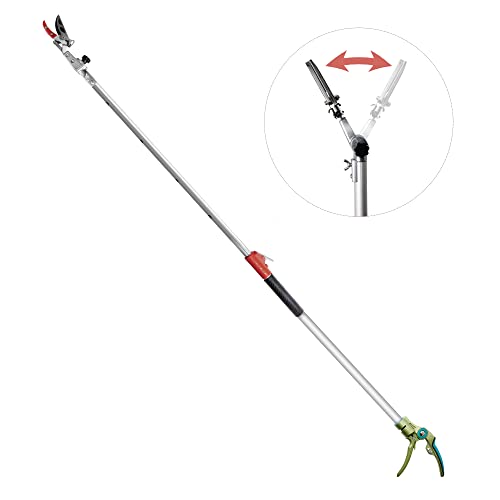
[Helpful Garden Tool] GARTOL brings to you a lightweight and extendable pruning tool to reach out to the least approachable arenas of your garden. You can conveniently get across other plants to remove the fastgrowing brambles and sting nettles without getting scratched or hurt. For gardening lovers, the telescopic pruner cutter head can can be rotated which resolves mobility issues and gives you the pleasure of trimming your garden without bending down or using a ladder to climb and cut them.

IDEAL BRANCH TRIMMER: Tree pruner that extends from 7.9 to 12 feet; Lightweight aluminum pole weighing less than five pounds to help minimize fatigue; Ideal for cutting high branches, or making low cuts without bending or kneeling

[Cut & Hold Pole Pruner for Tree Trimming] This long reach cut and hold pruner makes it easy to grip and remove branches, flowers, or fruit without dropping them. Perfect as a pole fruit picker for harvesting lemons, oranges, apples, or persimmons, and for trimming shrubs and bushes without climbing a ladder.
Proper Pruning Techniques
Prune your plum trees during their dormant season, ideally in late winter or early spring. Begin by removing any dead or damaged branches. Focus on shaping the tree to allow sunlight to penetrate the canopy. Thin out crowded branches to improve airflow and reduce disease risk. Aim to maintain an open center for better light exposure, which stimulates fruit production. Regular pruning results in stronger growth and increased yields as the tree matures.
Fertilization and Watering
Use a balanced fertilizer designed for fruit trees. Apply it in early spring to provide nutrients as growth begins. Follow the package instructions for application rates. Ensure consistent watering, especially during dry spells. Plum trees thrive with soil that stays moist but not waterlogged. An inch of water per week usually suffices. During the first few years, avoid over-fertilizing, as this can hinder root development and fruit-bearing. Regular feeding and watering promote robust growth and encourage earlier fruit production.
Conclusion
Growing plum trees can be a rewarding journey filled with anticipation. By understanding their fruit-bearing timeline and the care they need you can set yourself up for success. Remember that patience is key as your trees establish themselves and begin to produce.
With the right conditions and proper maintenance you’ll be well on your way to enjoying delicious plums in just a few years. Embrace the process and celebrate each milestone along the way. Before you know it you’ll be savoring the fruits of your labor. Happy gardening!
Frequently Asked Questions
When do plum trees start producing fruit?
Plum trees typically begin to bear fruit within 3 to 6 years after planting. European plum trees usually start producing around 4 to 6 years, while Japanese plum trees may yield fruit a bit sooner, typically within 3 to 5 years.
What factors affect plum tree fruit production?
Several factors influence fruit production in plum trees, including the age of the tree, growing environment, sunlight exposure, soil quality, watering practices, and proper spacing. All these elements are crucial for encouraging healthy growth and fruiting.
What are the ideal conditions for growing plum trees?
Plum trees thrive in well-drained soil with plenty of sunlight—at least 6 hours daily. They prefer temperatures between 70°F to 85°F and require consistent watering to keep the soil moist but not waterlogged. Proper spacing is also essential to promote air circulation and reduce disease risk.
How can I encourage my plum tree to produce fruit faster?
To accelerate fruit production, practice proper pruning during the dormant season to enhance light exposure and strengthen the tree shape. Regularly fertilize with a balanced fertilizer in early spring, and ensure consistent watering to maintain optimal soil moisture.
What is the difference between European and Japanese plum trees?
European plum trees are known for their large, sweet fruits and adaptability to cooler climates, typically producing later than their Japanese counterparts. Japanese plum trees usually bear fruit earlier, from 3 to 5 years, and the fruits tend to be juicier and more flavorful, thriving in warmer regions.
