

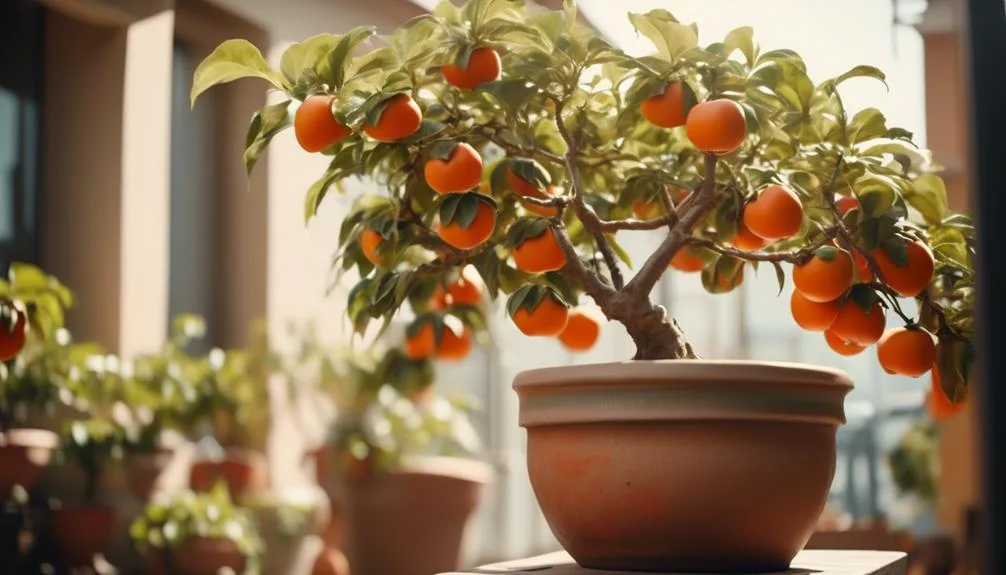
Curious if persimmon trees can grow in pots? It's possible!
While it may seem challenging to grow a full-sized fruit tree in a container, with the right care, it can be rewarding. Choosing the right pot size, understanding soil needs, and maintenance are key.
Let's explore the potential and challenges of growing persimmon trees in pots, and how you can enjoy these delightful fruits right on your patio or balcony.
Key Takeaways
- Choosing the right pot size and container is crucial for the successful growth of potted persimmon trees.
- Selecting soil with adequate drainage and nutrient retention is important for the health and fruit production of persimmon trees.
- Proper watering techniques, including deep watering and checking soil moisture levels, are essential for potted persimmon trees.
- Providing the right amount of sunlight and maintaining optimal temperature ranges are key factors for the growth and health of potted persimmon trees.
Suitable Pot Size for Persimmon Trees
When selecting a pot size for your persimmon tree, consider choosing one that's at least 20 inches in diameter and 18 inches deep to provide ample space for healthy root growth. Proper container selection is crucial for the successful growth of persimmon trees.
Inadequate space can lead to root restriction, affecting the tree's overall health and fruit production. A larger pot allows the roots to spread and access essential nutrients and moisture.
Additionally, it's important to regularly fertilize your potted persimmon tree to meet its nutrient needs. Use a balanced fertilizer to ensure the tree gets essential nutrients for healthy growth and fruit development.
Choosing the Right Soil for Potted Persimmon Trees
To ensure successful growth of your potted persimmon tree, it's crucial to select the right soil that provides adequate drainage and nutrient retention.
When choosing soil for your potted persimmon tree, consider the pH levels. Persimmon trees thrive in slightly acidic to neutral soil with a pH range between 6.0 and 7.0.
It's important to use well-draining soil to prevent waterlogged roots, which can lead to root rot. A good potting mix for persimmon trees should also contain organic matter to provide essential nutrients.
Consider using organic fertilizers to maintain soil fertility and promote healthy growth. Look for a fertilizer specifically formulated for fruit trees and follow the instructions for application.
This will help ensure that your potted persimmon tree has the necessary nutrients for optimal growth and fruit production.
Recommended Products

【Ideal pH Balance】Our citrus soil is carefully calibrated to maintain an optimal pH level between 6.0 and 7.1, ensuring your citrus trees can absorb essential nutrients efficiently and thrive

Enhanced Growth Benefits: Supports optimal plant health with superior aeration, effective drainage, excellent nutrient retention, and a balanced pH – everything citrus plants need to thrive.

Made For Potted Citrus Trees: Our citrus potting soil mix is made for potted lemon, lime, orange and other citrus trees that need a lighter growing medium for repotting. We double-screen all of our raw ingredients to support a cleaner, more consistent texture for pouring and repotting potted citrus trees.
Proper Watering Techniques for Potted Persimmon Trees
Selecting the right soil for your potted persimmon tree ensures proper drainage and nutrient retention, now let's focus on the crucial aspect of proper watering techniques for optimal growth and fruit production. Container gardening requires careful attention to watering to ensure the health of your potted persimmon tree. Overwatering can lead to root rot, while underwatering can cause stress and fruit drop. Here are some essential watering tips for your potted persimmon tree:
| Watering Tips | Description |
|---|---|
| Watering Schedule | Water deeply when the top inch of soil is dry. |
| Moisture Monitoring | Use a moisture meter to check soil moisture levels. |
| Drainage | Ensure pots have adequate drainage holes to prevent waterlogging. |
| Mulching | Apply mulch to help retain soil moisture. |
| Seasonal Adjustments | Adjust watering frequency based on seasonal changes. |
Following these watering tips will help your potted persimmon tree thrive and produce delicious fruits.
Recommended Products

Accurate Soil Moisture Detection: The XLUX Soil Moisture Meter can tell you if the soil deep inside your pot or garden is dry, moist or wet; whereas your eyes and fingers can only determine the moisture level of the soil surface. The probe is 5.5 inches (14 cm) longer than regular styles, allowing it to measure the soil moisture at the bottom of larger and deeper flower pots.

Accurate Soil Moisture Detection: The XLUX Soil Moisture Meter can tell you if the soil deep inside your pot or garden is dry, moist or wet; whereas your eyes and fingers can only determine the moisture level of the soil surface. The probe is 5.5 inches (14 cm) longer than regular styles, allowing it to measure the soil moisture at the bottom of larger and deeper flower pots.
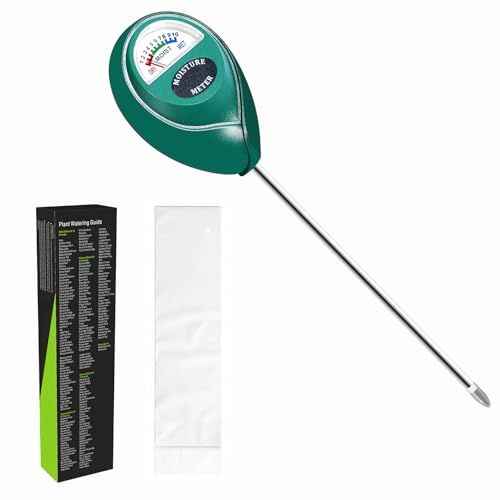
Trusted Since 2015: Become one of the many plant lovers who rely on the proven accuracy of XLUX. Established in 2015, our soil moisture meter has earned over 60,000+ verified ratings for its consistent performance. While many many newer brands come and go, we provide the long-term reliability and quality that American households have trusted for over a decade.
Sunlight and Temperature Requirements for Potted Persimmon Trees
For your potted persimmon tree to thrive and bear fruit, it's essential to ensure it receives adequate sunlight and is exposed to the right temperatures. Here's what you need to know:
- Indoor Placement: Place your potted persimmon tree in a spot that receives at least 6-8 hours of sunlight daily. If indoor placement is necessary, consider using artificial lighting to provide the required amount of light for healthy growth and fruit production.
- Seasonal Temperature Adjustments: Monitor the temperature closely and make seasonal adjustments as needed. During winter, consider insulation methods such as wrapping the pot with insulating material to protect the roots from freezing temperatures.
- Optimal Temperature Range: Persimmon trees thrive in temperatures between 45°F to 70°F (7°C to 21°C). Ensure the potted tree is placed in an environment that maintains these temperature ranges for healthy growth and fruiting.
Pruning and Maintenance of Potted Persimmon Trees
Prune your potted persimmon tree annually to maintain its shape, remove dead or diseased branches, and promote healthy fruit production.
Use sharp, clean pruning shears to make precise cuts at a 45-degree angle.
Start by removing any dead, damaged, or crossing branches. This helps improve air circulation and reduces the risk of disease.
When shaping the tree, focus on maintaining an open center to allow sunlight to reach all parts of the tree.
Additionally, persimmon trees are known for their strong upright growth, so it's important to prune to maintain a manageable size for your container.
During the growing season, regularly check for suckers and water sprouts and remove them promptly.
Proper pruning not only enhances the appearance of your potted persimmon tree but also supports its overall health and fruit production.
Conclusion
In summary, growing persimmon trees in pots is a rewarding endeavor when the right conditions are met. By choosing a spacious pot, using well-draining soil, and providing proper care, you can enjoy the beauty and fruit of persimmon trees in a container garden.
So why not give it a try and bring the joy of persimmons to your own space? With the right approach, you may be pleasantly surprised by the success of your potted persimmon tree.
