

Ever wondered if you could grow your own kiwi in Tennessee? Picture this: you’re strolling through your backyard, plucking fresh kiwis off the vine. Sounds enticing, doesn’t it? In this article, we’ll explore the possibility of cultivating kiwi in Tennessee and discover tips to make it thrive in your own garden.
Imagine the satisfaction of harvesting your own homegrown kiwis, right in your backyard. Not only does it offer a sense of accomplishment, but it also provides you with a fresh supply of this delicious fruit. Curious to know if it’s feasible in Tennessee? Stay tuned as we uncover the secrets to successfully growing kiwis in your local climate.
Excited to learn how you can potentially cultivate kiwi in Tennessee? This article will guide you through the process, from planting to care tips, so you can enjoy the fruits of your labor. Get ready to embark on a journey to discover the possibilities of growing kiwis in your own Tennessee garden.
Key Takeaways
- Tennessee’s climate in regions like Middle and East Tennessee is conducive to growing kiwi, which thrives in temperate climates.
- Kiwi plants require well-draining soil with a pH level between 5.0 and 6.5, ample sunlight exposure, and consistent moisture during the growing season.
- Choosing the right kiwi variety, such as Hardy Kiwi (Actinidia arguta) or Common Kiwi (Actinidia deliciosa), is essential for successful cultivation in Tennessee.
- Plant kiwi vines in early spring, provide support structures like trellises, prune annually for fruit production, and manage pests and diseases promptly.
- Recommended kiwi varieties for Tennessee include Southern Kiwi (Actinidia kolomikta), Red Kiwi (Actinidia melanandra), and Golden Kiwi (Actinidia chinensis), each with unique characteristics.
- Follow planting, trellising, watering, feeding, pest control, and disease prevention guidelines to ensure a thriving kiwi harvest in your Tennessee garden.
Exploring Kiwi Growth Potential in Tennessee
When considering the growth potential of kiwi in Tennessee, there are several factors to take into account to ensure successful cultivation in your garden.
Recommended Products

Can only ship plants bare-root (no soil or pot) to CA. Cannot ship culinary seeds to CA.
Can only ship plants bare-root (no soil or pot) to CA. Cannot ship culinary seeds to CA.

Only one plant needed for fruit!
Climate Suitability
Tennessee’s climate can vary across the state, so it’s essential to know which regions offer the best conditions for kiwi growth. Kiwis thrive in temperate climates with well-defined seasons. They prefer warm summers for fruit ripening and cold winters to induce dormancy, making regions like Middle and East Tennessee more conducive to kiwi cultivation.
Soil Requirements
Kiwi plants prefer well-draining soil that is rich in organic matter. Before planting your kiwi vines, ensure the soil is slightly acidic with a pH level between 5.0 and 6.5. Conduct a soil test to determine its composition and make necessary amendments to provide optimal conditions for your kiwi plants.
Sunlight and Water
Kiwi plants require ample sunlight to thrive, ideally receiving 6 to 8 hours of sunlight daily. Ensure your planting location offers sufficient sunlight exposure for vigorous growth and fruit production. Additionally, kiwis need consistent moisture, especially during the growing season. Implement a regular watering schedule to keep the soil evenly moist but not waterlogged.
Choosing Kiwi Varieties
Selecting the right kiwi variety is crucial for successful growth in Tennessee. Hardy kiwi varieties like “Arctic Beauty” or the more common fuzzy kiwi “Hayward” are well-suited for the state’s climate. Consider factors like fruit size, flavor, and vine hardiness when choosing the best kiwi variety for your garden.
Planting and Maintenance
Plant kiwi vines in early spring to allow them to establish before the growing season. Provide support structures like trellises for the vines to climb and ensure proper spacing between plants for adequate airflow. Prune your kiwi plants annually to promote fruit production and manage vine growth effectively.
Pest and Disease Management
Be vigilant for common pests like aphids, spider mites, and scales that can affect kiwi plants. Implement organic pest control methods and regular inspection to prevent infestations. Additionally, watch for signs of diseases such as root rot and bacterial canker, and take prompt action to mitigate their spread.
Kiwi Varieties Suitable for Tennessee
When considering growing kiwi in Tennessee, it’s crucial to select suitable kiwi varieties that thrive in the state’s climate. Here are some kiwi varieties well-suited for cultivation in Tennessee:
- Hardy Kiwi (Actinidia arguta):
- This kiwi variety, also known as Arctic kiwi, is well adapted to Tennessee’s climate, particularly in regions like Middle and East Tennessee.
- It’s a smaller fruit compared to the common kiwi, making it ideal for home gardeners looking for a manageable vine.
- Common Kiwi (Actinidia deliciosa):
- While the common kiwi is more sensitive to cold temperatures than the hardy kiwi, it can still be grown successfully in Tennessee.
- Choose cold-hardy cultivars of common kiwi, such as ‘Issai’ or ‘Anna,’ which are better suited to Tennessee’s climate.
- Southern Kiwi (Actinidia kolomikta):
- Southern kiwi, or variegated kiwi, is another excellent choice for Tennessee growers.
- It features striking variegated leaves and can add ornamental value to your garden while producing delicious kiwi fruits.
- Red Kiwi (Actinidia melanandra):
- Red kiwi is a unique variety that adds a splash of color to your garden with its red-fleshed fruits.
- While relatively rare, it can be a rewarding choice for adventurous gardeners looking for something different.
- Golden Kiwi (Actinidia chinensis):
- Golden kiwi, like the Hayward variety, offers a sweet and tropical flavor profile that appeals to many fruit enthusiasts.
- It can be grown in Tennessee with proper care and attention to soil and sunlight requirements.
Recommended Products
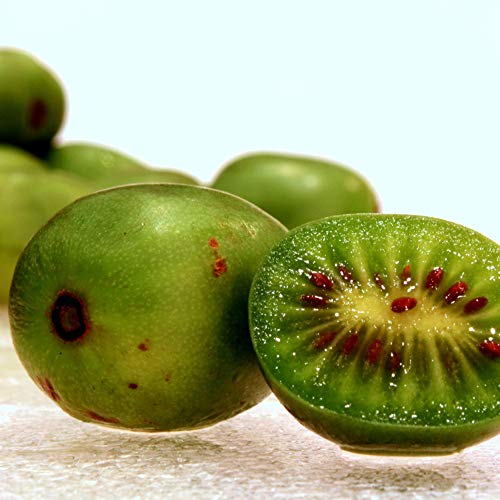
Premium quality fruiting vine seeds package containing 10 Hardy Kiwi seeds, yielding smooth-skinned kiwi berries with sweet-tart flavor on vigorous, cold-hardy climbing vines for trellises, arbors, and edible landscapes.

MATURE SIZE & CARE GUIDE: The Prolific Hardy Kiwi Vine can reach 20-25 feet in length when fully matured, or 12 feet if grown in a container. Thrives in full sun to partial shade and requires well-drained soil with average watering needs. Cold tolerant to USDA Zone 4, making it ideal for colder climates.

*Hardy Kiwi 'Issai' (Actinidia arguta) The smooth skinned green fruit are the size of grapes and taste like a sweet tropical kiwi without the fuzzy skin.<br>
Planting and Caring for Kiwi in Tennessee
Now that you’ve selected the ideal kiwi variety for your Tennessee garden, it’s time to delve into the essential steps for planting and caring for these flavorful fruits. Follow these guidelines to ensure a thriving kiwi harvest in your Tennessee backyard.
Recommended Products

175 Feet. 20 Gauge galvanzied

This grape vine support is made of quality PP material, Can be reused,not easy to break,can be easily distorted and on the vine.Easily clips to trellising twine and doesn't slip.

【CUSTOMIZABLE & MODULAR DESIGN】 Create your own living wall art. This 16 set trellis kit allows you to design flexible shapes like diamond, square, or fan patterns to fit any wall size. The modular system is easily expandable, making it ideal for growing gardens
Planting Kiwi Vines
To kickstart your kiwi cultivation journey in Tennessee, begin by selecting a suitable site with full sun exposure and well-draining soil. Here’s a simple step-by-step guide to planting your kiwi vines:
- Site Selection: Choose a location with ample sunlight to promote healthy growth.
- Soil Preparation: Ensure the soil is well-draining and rich in nutrients for optimal development.
- Planting Kiwi Vines: Dig a hole twice the size of the root ball, gently place the vine, and backfill with soil.
Supporting Kiwi Growth
Supporting your kiwi vines is crucial for their vertical expansion and fruit production. Consider these tips to provide adequate support for your kiwi plants:
- Trellising: Install a sturdy trellis system to support the vine’s growth and prevent fruit from touching the ground.
- Pruning: Regularly prune your kiwi vines to manage their growth and ensure proper fruit production.
Watering and Feeding
Kiwi plants have specific water and nutrient requirements to flourish in Tennessee’s climate. Here’s how you can effectively water and feed your kiwi vines:
- Watering Schedule: Water your kiwi plants deeply once or twice a week, especially during dry periods.
- Fertilization: Apply a balanced fertilizer in early spring to boost plant growth and fruit development.
Pest and Disease Management
Protect your kiwi plants from common pests and diseases to maintain a healthy orchard. Keep an eye out for these potential issues and take proactive measures to prevent infestations:
- Pest Control: Monitor for pests like aphids and mites, and use organic insecticides if needed.
- Disease Prevention: Prevent fungal diseases by ensuring good air circulation and avoiding overhead watering.
Harvesting and Enjoying Kiwi Fruits in Tennessee
After diligently planting and caring for your kiwi plants, it’s time to reap the rewards of your efforts. Here’s how you can harvest and savor the delightful kiwi fruits in your Tennessee garden:
Determining the Right Time to Harvest
When the kiwi fruits mature on the vine, it’s crucial to pick them at the optimal time for the best flavor and texture. A ripe kiwi fruit yields slightly to gentle pressure. If it feels firm, it might need a few more days to ripen off the vine.
Harvesting Techniques
To harvest kiwis, gently twist the fruit until it detaches from the vine. Avoid pulling or tugging, as this may damage the plant. It’s recommended to harvest kiwis carefully to prevent any bruising that could impact the fruit’s quality.
Storage Recommendations
Once harvested, you can store kiwi fruits at room temperature if they need ripening. To speed up the ripening process, place them in a paper bag with an apple or banana. Ripe kiwis can be kept in the refrigerator for up to two weeks, maintaining their freshness.
Enjoying Your Kiwi Bounty
There are numerous ways to enjoy your kiwi harvest. You can relish the fruits fresh, add them to fruit salads, blend them into smoothies, or even use them as a topping for desserts. Kiwis are not only delicious but also packed with essential nutrients.
Sharing the Joy
If your kiwi harvest yields more fruits than you can consume, consider sharing them with friends, family, or neighbors. You can also explore homemade kiwi recipes, preserves, or jams to make the most of your abundant harvest.
Celebrate Your Success
From planting the kiwi vines to harvesting the fruits, each step in the process leads to the rewarding moment of enjoying your own homegrown kiwis. Take pride in your accomplishments and savor the flavors of your labor in each juicy bite.
By following these harvesting and enjoyment tips, you’ll make the most of your kiwi cultivation journey in Tennessee and relish the sweetness of your bountiful harvest.
Conclusion
Growing kiwi in Tennessee can be a rewarding experience. By choosing the right varieties and following the essential care steps, you can enjoy a bountiful harvest of delicious kiwi fruits. From planting to harvesting, each stage offers a chance to connect with nature and savor the fruits of your labor. Embrace the journey of cultivating kiwis in Tennessee, and you’ll be delighted by the results. Happy gardening!
Frequently Asked Questions
Which kiwi varieties are best for cultivation in Tennessee?
Hardy Kiwi, Common Kiwi, Southern Kiwi, Red Kiwi, and Golden Kiwi are suitable for Tennessee due to their adaptability to the state’s climate.
What are the essential steps for planting and caring for kiwis in Tennessee?
Key steps include site selection, soil preparation, trellising, pruning, watering, feeding, pest control, and disease prevention for successful kiwi growth.
When is the right time to harvest kiwis in Tennessee?
Kiwis are typically harvested in late fall when they give slightly to gentle pressure.
How should I harvest kiwis in Tennessee?
Harvest kiwis by cutting them from the vine using shears, being careful not to damage the fruit or the plant.
What are the storage recommendations for kiwis in Tennessee?
Store kiwis in the refrigerator to prolong their freshness and enjoy them at their best quality.
What are some ways to enjoy the kiwi bounty in Tennessee?
Enjoy kiwis fresh as a snack, add them to fruit salads, smoothies, or desserts, or use them in cooking for a unique flavor twist.
Share the bounty with family, friends, or neighbors, or consider donating excess kiwis to local food banks or community organizations.
How can I celebrate the success of my homegrown kiwis in Tennessee?
Celebrate your harvest by hosting a kiwi-themed gathering, making kiwi-inspired dishes, or simply enjoying the fruits of your labor.
