

Have you ever imagined plucking fresh kiwis from your own backyard? Picture walking outside and picking ripe, juicy issai kiwis straight from the vine. It’s not just a dream – it can be your reality with the right know-how.
Imagine the satisfaction of growing your own issai kiwi plant, watching it flourish under your care. No more store-bought fruits lacking flavor; you can savor the sweet taste of success with each harvest.
In this article, you’ll discover simple yet effective tips on how to cultivate issai kiwi plants successfully. Get ready to embark on a rewarding journey of growing your own delicious and nutritious kiwis right at home.
Key Takeaways
- Cultivating Issai kiwi plants offers benefits such as homegrown freshness, nutritional value, cost-effectiveness, environmental impact, educational experience, decorative appeal, and unique flavor.
- Understanding the suitable climate conditions for growing Issai kiwi plants, including warm summers, mild winters, sunlight exposure, humidity levels, frost protection, soil requirements, climate zones, and rainfall considerations, is crucial for successful cultivation.
- Selecting the right location for growing Issai kiwi plants involves factors like sunlight exposure, frost protection, soil quality, drainage, climate zones, rainfall, and humidity levels to create an ideal environment for plant growth.
- Planting Issai Kiwi requires choosing a sunny, frost-protected location, preparing well-draining soil, planting correctly, providing support structures, watering, maintenance, and pest/disease protection for healthy growth and fruit production.
- Caring for Issai kiwi plants involves proper watering, pruning, fertilizing, pest/disease management, trellis support, monitoring climatic conditions to promote optimal growth and bountiful fruit yields.
Benefits of Growing Issai Kiwi
Growing Issai kiwi plants can be a rewarding experience, offering a range of benefits that make the effort worthwhile. Here are some advantages you can enjoy by cultivating your own Issai kiwi:
1. Homegrown Freshness
Enjoy the satisfaction of picking fresh, ripe kiwis right from your backyard. By growing Issai kiwi plants, you ensure that you have access to truly fresh and flavorful fruits that are free from the chemicals and preservatives often found in store-bought produce.
2. Nutritional Value
Issai kiwis are packed with essential nutrients like vitamin C, vitamin K, and fiber. By growing your own Issai kiwi plants, you can harvest fruits that are rich in these nutrients, contributing to a healthy and balanced diet for you and your family.
3. Cost-Effective
Once established, Issai kiwi plants can yield a bountiful harvest of fruits at a relatively low cost. By growing your own kiwis, you can save money in the long run compared to purchasing them regularly from the store.
4. Environmental Impact
Cultivating Issai kiwi plants at home allows you to reduce your carbon footprint. By growing your own fruits, you contribute to a more sustainable lifestyle by decreasing the need for transportation and packaging associated with store-bought produce.
5. Educational Experience
Growing Issai kiwi plants can be a fun and educational activity for you and your family. It provides an opportunity to learn about plant cultivation, gardening techniques, and the natural growth cycle of kiwis, fostering a deeper connection to nature and food production.
6. Decorative Appeal
Issai kiwi plants are not only functional but also visually appealing. Their lush green foliage and vine-like growth can enhance the aesthetic of your outdoor space, adding a touch of natural beauty to your garden or backyard.
7. Unique Variety
Issai kiwis have a unique flavor profile compared to traditional kiwi varieties. By growing Issai kiwi plants, you can savor the distinct taste and texture of these petite, smooth-skinned fruits that set them apart from other kiwi cultivars.
Suitable Climate for Growing Issai Kiwi
When considering growing Issai kiwi plants, understanding the suitable climate for their cultivation is crucial. Here’s what you need to know to ensure your Issai kiwi plants thrive:
Warm Summers and Mild Winters
Choose a Location: You should plant your Issai kiwi in an area that experiences warm summers and mild winters. The Issai kiwi plant flourishes in regions where temperatures don’t drop significantly below 10°F (-12°C) in winter.
Sunlight Requirements
Sun Exposure: Issai kiwi plants love sunlight. Ensure they receive at least 6-8 hours of direct sunlight daily for optimal growth.
Humidity Levels
Moisture Needs: Issai kiwis prefer humid climates. Consistent moisture is essential for these plants to thrive. Aim for humidity levels of around 60-70% to support healthy growth.
Frost Protection
Protect from Frost: Protect your Issai kiwi plants from frost by providing adequate shelter during cold spells. Frost can damage the plants, so covering them with fleece or using frost cloths is advisable.
Soil Requirements
Well-Drained Soil: Plant your Issai kiwi in well-drained, fertile soil with a slightly acidic to neutral pH level. Ensure good drainage to prevent waterlogging, which can harm the plant.
Climate Zones
Check Your Zone: Before planting Issai kiwi, check the USDA Plant Hardiness Zone for your region. Issai kiwis typically thrive in Zones 7-9 but can also grow in specific microclimates within other zones.
Rainfall Considerations
Rainfall Patterns: Consider the rainfall patterns in your area. Issai kiwi plants require consistent watering, particularly during the growing season. Supplement with irrigation during dry spells.
Understanding and providing the suitable climate conditions for growing Issai kiwi plants is fundamental to their successful cultivation. By meeting their specific climate needs, you can enjoy a bountiful harvest of delicious, homegrown kiwis.
Selecting the Right Location
When choosing the optimal location for cultivating Issai kiwi plants, you need to consider several crucial factors to ensure their growth and fruit production thrive. Here’s a guide to help you select the right spot for your Issai kiwi plants:
Recommended Products

※Big Size to cover large area : The size of our plant cover is 10x30ft, the size can cover large areas. You can cut the plant covers freeze protection into different sizes for different use. You can cover it over the plant such as shrub tomato, pepper, pumpkin, and so on.

THICKER MATERIAL: Our plant freeze protection cover is made of UV stabilized polypropylene. Upgraded thicker 0.9oz./sq.yard lightweight but durable. Soft plant covers are friendly and no harm to your plants. Breathable non-woven fabric allow light, air go through the frost cloths and reach the plants.

Product Features: Our plant covers are ideal for protecting all plant. Made from premium 1 oz/sq non-woven fabric, their durability and breathability ensuring both insulation against frost and facilitation of sunlight penetration for healthy plant growth
Importance of Sunlight Exposure
Direct sunlight is vital for the healthy growth of Issai kiwi plants. Choose a location that receives full sun for most of the day, ideally facing south or southeast to maximize sunlight exposure. Adequate sunlight helps in photosynthesis, which is essential for fruit development.
Ensuring Frost Protection
Since Issai kiwi plants are vulnerable to frost, it’s crucial to protect them during colder months. Select a spot that avoids frost pockets where cold air settles, as frost can damage young shoots and fruits. Consider using row covers or frost cloth to shield the plants on chilly nights.
Soil Quality and Drainage
Opt for well-draining soil with a pH level between 5.5 and 7.0 for optimal growth of Issai kiwi plants. Ensure that the soil is rich in organic matter and provides good aeration to promote root development. Additionally, assess the drainage of the area to prevent waterlogging, which can lead to root rot.
Climate Zone Considerations
Understanding your USDA plant hardiness zone is essential when selecting a location for Issai kiwi plants. These plants thrive in zones 7-9, characterized by warmer summers and mild winters. Ensure the climate in your area aligns with the requirements of Issai kiwi plants for successful cultivation.
Rainfall and Humidity Levels
Consider the average rainfall and humidity levels in your region when choosing a planting location. Issai kiwi plants require consistent moisture without waterlogging. Supplemental watering may be necessary during dry periods to ensure the plants receive sufficient hydration for optimal growth.
By carefully considering these factors and selecting an ideal location with the right conditions, you can create a favorable environment for your Issai kiwi plants to flourish and yield abundant, flavorful fruits.
Planting Issai Kiwi
To successfully plant Issai Kiwi in your garden or home, follow these essential steps:
Select the Right Location
Choose a location that receives full sun, especially during the growing season. Ensure the spot is well-protected from frost to prevent damage to the plants. Good air circulation is also crucial, so avoid areas prone to stagnant air.
Prepare the Soil
Before planting, ensure the soil is well-draining to prevent waterlogging, which can harm the roots. Add compost or organic matter to improve soil quality and provide the necessary nutrients for healthy growth.
Planting Process
When planting Issai Kiwi, make sure the hole is larger than the root ball to allow room for roots to spread out. Place the plant in the center, covering the roots with soil, and gently firm it down to remove air pockets.
Support Structures
Kiwi plants need support to grow upward, so install a sturdy trellis or support system to help them climb. This ensures proper growth and prevents the vines from sprawling on the ground.
Watering and Maintenance
Water the plants regularly, especially during dry spells, to keep the soil moist but not waterlogged. Mulching around the base helps retain moisture and suppresses weed growth. Prune the plants as needed to encourage healthy growth.
Protection from Pests and Diseases
Monitor the plants regularly for any signs of pests or diseases. Treat any infestations promptly to prevent them from spreading and damaging the plants. Consider using organic pest control methods to minimize chemical exposure.
By following these planting tips, you’ll create an ideal environment for your Issai Kiwi plants to flourish and yield delicious, homegrown fruits.
Caring for Issai Kiwi Plants
Maintaining your Issai kiwi plants properly is essential to ensure optimal growth and fruit production. Below are some key care tips to help you nurture your Issai kiwi plants effectively:
Recommended Products

Designed for Indoor Houseplants Our indoor plant food is formulated to provide the balanced nutrition houseplants need to thrive indoors.
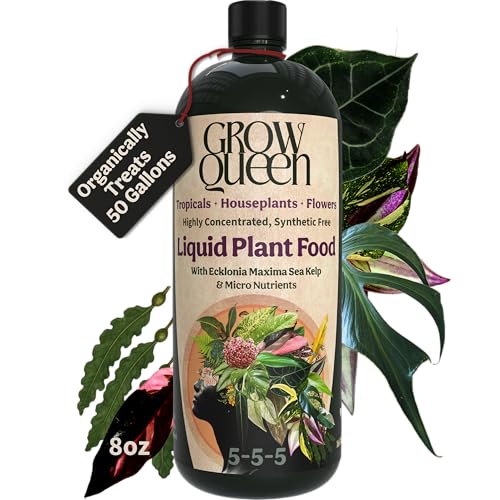
STRONGEST 5-5-5 ORGANIC LIQUID FERTILIZER – The only true 5-5-5 organic indoor plant fertilizer and plant food. Professional-grade yet gentle; feeds instantly without burn for steady growth, greener leaves, and strong roots in houseplants, tropicals, and potted plants; ideal daily indoor use. Boosts nutrients and vigor with balanced NPK.

Made for Lemon & Citrus Trees – Formulated to support healthy growth in lemon and citrus plants.
Providing Adequate Watering
Watering your Issai kiwi plants regularly is crucial, especially during the growing season. Ensure the soil is consistently moist but not waterlogged. Aim to water deeply, allowing the water to reach the plant’s roots. During drier periods, increase the frequency of watering to keep the soil moisture levels stable.
Pruning for Health and Growth
Regular pruning is important to promote plant health and encourage vigorous growth. Prune your Issai kiwi plants during the dormant season to remove dead or damaged branches, improve air circulation, and shape the plant. Remember to use sharp, clean tools to avoid transmitting diseases between plants.
Fertilizing at the Right Time
Fertilize your Issai kiwi plants at the appropriate times to provide them with essential nutrients for robust growth. Apply a balanced fertilizer in spring before new growth begins and again in early summer to support fruit development. Always follow the manufacturer’s instructions regarding the application rate and method.
Protecting Against Pests and Diseases
Monitor your Issai kiwi plants regularly for any signs of pests or diseases. Common pests that may affect kiwi plants include aphids, spider mites, and scale insects. Use appropriate organic or chemical treatments to manage pest infestations effectively. Additionally, practice good sanitation by removing any fallen leaves or debris that could harbor pests and diseases.
Supporting with Trellises
Support your Issai kiwi plants with sturdy trellises or structures to help them climb and support the weight of the fruit. Ensure the trellis is tall enough to accommodate the plant’s growth and strong enough to withstand windy conditions. Train the vines onto the trellis to promote upward growth and efficient fruit production.
Monitoring for Climatic Conditions
Keep an eye on the climatic conditions in your area to ensure your Issai kiwi plants thrive. Protect the plants from extreme cold temperatures by providing adequate frost protection during winter. Consider using row covers, mulch, or other protective measures to shield the plants from frost damage.
By following these care tips diligently, you’ll create an optimal environment for your Issai kiwi plants to grow healthily and reward you with delicious, homegrown fruits.
Conclusion
You’ve now learned the essential care tips for growing Issai kiwi plants successfully. By providing the right amount of water, regular pruning, timely fertilization, pest protection, trellis support, and climate monitoring, you can ensure your Issai kiwi plants thrive and produce delicious fruits. Remember, dedication and attention to detail are key to cultivating a bountiful harvest of homegrown kiwis. Enjoy the process of nurturing your Issai kiwi plants and relish the satisfaction of enjoying the fruits of your labor. Happy gardening!
Frequently Asked Questions
1. Can I grow Issai kiwi plants at home?
Yes, you can grow Issai kiwi plants at home, provided you meet their specific climate requirements and provide proper care.
2. What are the key factors to consider when planting Issai kiwi plants?
When planting Issai kiwi plants, make sure to choose a sunny location with well-draining soil and adequate support for their climbing nature.
3. How should I care for Issai kiwi plants?
Care for Issai kiwi plants by watering them regularly, pruning for health and growth, fertilizing at the right time, protecting against pests and diseases, supporting with trellises, and monitoring climatic conditions.
4. What are the benefits of growing Issai kiwi plants at home?
Growing Issai kiwi plants at home allows you to enjoy delicious, homegrown fruits while creating an optimal environment for the plants to thrive.
