

Grapefruit trees can thrive in Newark, NJ, with the right care and conditions. By selecting the appropriate variety and implementing effective urban gardening techniques, you can successfully cultivate these trees in a city environment.
Best Grapefruit Varieties for Newark Gardens
When selecting grapefruit varieties for urban gardens in Newark, NJ, it’s essential to consider factors such as climate adaptability, disease resistance, and fruit quality. The right choices can lead to a fruitful harvest, enhancing both the aesthetic and culinary value of your garden. Here are some of the best grapefruit varieties suited for the unique conditions of Newark.
Choosing the right grapefruit variety is crucial for successful growth in Newark’s climate. The most suitable options include the Ruby Red and Pink Grapefruit. These varieties are known for their adaptability and disease resistance.
Consider the following factors when selecting a variety:
Climate tolerance: Ensure the variety can withstand Newark’s winter temperatures.
Fruit quality: Look for varieties known for their taste and juiciness.
Growth habit: Choose a tree that fits your available space.
| Variety | Climate Tolerance | Fruit Quality | Growth Habit |
|---|---|---|---|
| Ruby Red | Moderate | High | Compact |
| Pink Grapefruit | Moderate | Very High | Spreading |
Recommended Products

For sale is one Ruby Red Grapefruit seedling that is approximately 2 to 5 inches tall and shipped in a pot

More complex in flavor than red grapefruit, the perfect blend of sour and sweet makes pink grapefruit ideal for snacking, salads, and even brightening up plain water

Included - Six (6) 10 fl oz juice bottles of Ocean Spray Ruby Red Grapefruit Juice Drink
Optimizing Garden Space for Grapefruit Trees
Maximizing garden space is essential for successfully growing grapefruit trees in Newark, NJ. By employing strategic planting techniques and utilizing vertical gardening methods, urban gardeners can create an optimal environment for these citrus trees. This section explores effective ways to enhance your garden layout, ensuring that grapefruit trees thrive even in limited urban spaces.
Creating an optimal garden space is essential for grapefruit trees. Urban environments often present challenges like limited sunlight and soil quality.
Follow these steps to prepare your space:
Choose a sunny location: Grapefruit trees need at least 6-8 hours of direct sunlight daily.
Test soil quality: Use a soil test kit to check pH and nutrient levels.
Amend soil as needed: Add organic compost to improve soil structure and fertility.
A well-prepared garden will enhance growth and fruit production.
Grapefruit Tree Planting Guidelines
Planting grapefruit trees in Newark, NJ can be a rewarding endeavor for urban gardeners looking to enhance their green spaces. Understanding the specific guidelines for planting these trees is crucial for ensuring their successful growth in a city environment. This section outlines essential steps and considerations for cultivating healthy grapefruit trees in urban settings.
Proper planting techniques significantly impact the health of your grapefruit trees. Consider the following guidelines to ensure successful establishment.
Dig a hole: Make it twice the width and depth of the root ball.
Position the tree: Place it in the center of the hole, ensuring the graft union is above soil level.
Backfill with soil: Gently pack the soil around the roots to eliminate air pockets.
Water thoroughly: Ensure the soil is moist but not waterlogged.
Recommended Products

CITRUS PLANT FOOD: This avacado, mango and citrus fruit tree fertilizer feeds plants for up to 3 months and nourishes above and below the soil

Made for Lemon & Citrus Trees – Formulated to support healthy growth in lemon and citrus plants.

FORMULATED FOR CITRUS AND FRUIT TREES: Use these citrus fertilizer spikes on apple, orange, lemon, lime, and avocado trees; this formula is also great for feeding palm trees
Grapefruit Tree Care: Watering and Fertilization Guide
Caring for grapefruit trees in Newark requires a tailored approach to watering and fertilization, essential for thriving in an urban environment. Understanding the specific needs of these trees will help ensure they flourish, producing vibrant fruit even amidst city challenges. This guide provides practical insights into maintaining optimal moisture levels and nutrient balance for healthy growth.
Establishing a consistent watering and fertilization schedule is vital for grapefruit tree health. Grapefruit trees require specific care to thrive in an urban setting.
Watering frequency: Water deeply once a week, increasing during dry spells.
Fertilization: Use a balanced fertilizer every 6-8 weeks during the growing season.
Mulching: Apply a layer of mulch to retain moisture and suppress weeds.
| Schedule | Action | Frequency |
|---|---|---|
| Watering | Deep watering | Weekly |
| Fertilization | Balanced fertilizer | Every 6-8 weeks |
| Mulching | Organic mulch | Annually |
Pest and Disease Management for Grapefruit Trees
Managing pests and diseases is crucial for the health of grapefruit trees, especially in urban environments like Newark, NJ. This section delves into common threats that can affect these trees and offers practical strategies for effective prevention and control, ensuring a thriving urban garden. Understanding these challenges is key to successful grapefruit cultivation in the city.
Urban gardening presents unique challenges, including pests and diseases. Proactive management is essential for maintaining healthy grapefruit trees.
Monitor regularly: Inspect leaves and fruit for signs of pests or disease.
Use organic pesticides: Apply neem oil or insecticidal soap as needed.
Promote beneficial insects: Introduce ladybugs or lacewings to control aphid populations.
Recommended Products
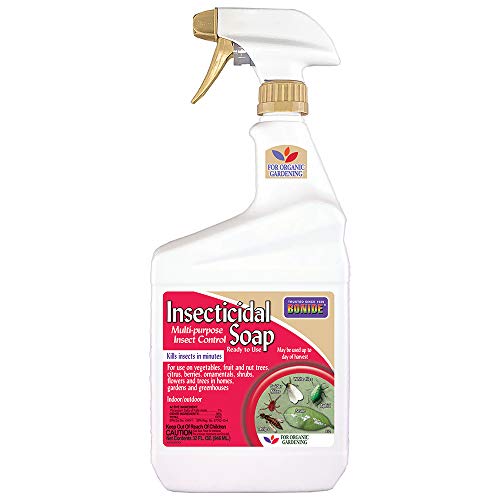
Captain Jack's Insecticidal Super Soap controls species of adelgid, ant, aphid, borer, caterpillar, spider mite, cricket, chinch bug, weevil, fly, thrip, and more

READY-TO-USE CONTACT SPRAY: No mixing required. Thoroughly spray insecticide on all plant parts, including the underside of leaves. Pests must be sprayed directly to achieve control

Protect your oasis with Captain Jack’s Neem Max Ready-to-Use Spray; this multipurpose product acts as a 4-in-1 insecticide, fungicide, miticide and nematicide
Seasonal Care Strategies for Grapefruit Trees
Caring for grapefruit trees in Newark requires a tailored approach to seasonal changes, ensuring these subtropical plants thrive in an urban environment. Understanding the specific needs throughout the year can significantly enhance their growth and fruit production. This section outlines effective strategies for managing grapefruit trees across different seasons, helping urban gardeners achieve success.
Seasonal care is crucial for the overall health and productivity of grapefruit trees. Each season requires specific attention to ensure optimal growth.
Spring: Prune dead or damaged branches to encourage new growth.
Summer: Monitor for pests and provide adequate water.
Fall: Fertilize and prepare trees for winter by mulching.
Winter: Protect trees from frost with coverings or by moving potted trees indoors.
| Season | Action | Focus Area |
|---|---|---|
| Spring | Prune | Growth |
| Summer | Monitor pests | Health |
| Fall | Fertilize | Preparation |
| Winter | Protect from frost | Survival |
Urban Grapefruit Care Strategies
Caring for grapefruit trees in an urban environment like Newark, NJ requires tailored strategies to ensure healthy growth and fruit production. Factors such as climate, soil conditions, and urban pests can significantly impact the success of these trees. This section outlines effective care techniques that urban gardeners can implement to thrive in a challenging setting.
Urban gardening can be rewarding with careful planning and execution. Regular monitoring and adjustments to care routines will enhance your success.
Always check local regulations regarding fruit tree planting in urban areas.
