

Do you want your fruit trees to thrive and produce more delicious fruit? Pruning in the fall is a crucial step many gardeners overlook. As the leaves drop and the growing season winds down, it’s the perfect time to give your trees the care they need.
Key Takeaways
- Timing Matters: Prune fruit trees in fall after leaves have dropped but before freezing temperatures set in for optimal results.
- Promotes Healthy Growth: Fall pruning removes dead and diseased branches, enhancing air circulation and sunlight exposure, leading to overall tree health.
- Increases Fruit Yield: Regular pruning shapes the tree and directs energy to fruit-bearing branches, resulting in a more bountiful harvest.
- Prevents Pests and Diseases: Effective pruning minimizes the risk of pest infestations and disease spread by removing affected branches.
- Use the Right Tools: Essential tools for effective pruning include sharp pruning shears, loppers, and safety equipment like gloves and glasses for protection.
- Avoid Common Mistakes: Be cautious not to over-prune; aim to remove only 20-30% of foliage to prevent stressing the tree and negatively impacting fruit yield.
Understanding the Importance of Pruning
Pruning in fall plays a vital role in the health and productivity of your fruit trees. As the growing season ends, this time of year offers the perfect opportunity to prepare your trees for a fruitful spring.
Benefits of Pruning Fruit Trees
- Encourages Growth: Pruning removes dead or diseased branches, allowing healthy branches to thrive. This action promotes better air circulation and sunlight exposure, leading to a stronger tree.
- Increases Yield: Regular pruning helps shape the tree, encouraging more fruit production. By cutting back excess growth, energy focuses on fruit-bearing branches, resulting in a bountiful harvest.
- Improves Tree Structure: A well-pruned tree maintains a balanced structure, reducing the risk of breakage under the weight of fruit. Properly spaced branches provide stability and support.
- Prevents Pests and Diseases: Removing sick branches minimizes the risk of pest infestations and the spread of diseases. Healthy trees better resist external threats.
- Enhances Fruit Quality: Pruning encourages larger and tastier fruits. With more resources directed toward fewer fruiting branches, the overall quality of your harvest improves.
Timing and Seasons for Pruning
Pruning fruit trees in fall is recommended after the leaves drop but before the ground freezes. This timing allows you to assess the tree’s structure and health without the distraction of foliage.
- Evaluate the Tree: At this stage, it’s easier to identify and remove any dead, damaged, or crossing branches.
- Tools to Use: Use sharp pruning shears for small branches and loppers for larger limbs. Sanitize tools before use to prevent the spread of disease.
- Temperature Considerations: Aim to prune on a dry day when temperatures remain above freezing. Keep an eye on the weather to avoid early frost.
- Long-Term Care: A good pruning routine considering timing will lead to healthier trees year after year. Developing a regular schedule promotes lifelong tree health and vitality.
Tools and Equipment Needed
To prune fruit trees effectively in the fall, gather specific tools and equipment. Having the right gear ensures a smooth and safe pruning process.
Recommended Products
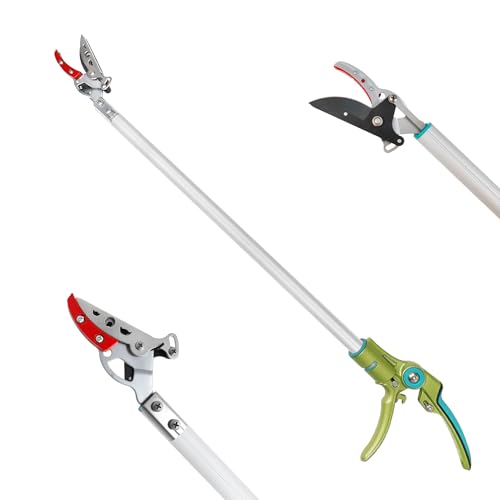
[REACH HIGH & STAY SAFE](No Ladder Required) Say goodbye to wobbly ladders! This 32inch long reach pole pruner offers an extra 30 inches of safe reach, allowing you to prune high branches or tall fruit trees while standing firmly on the ground. It’s the perfect extension tool for maintaining your backyard without the risk of falling.

[Cut & Hold Pole Pruner for Tree Trimming] This long reach cut and hold pruner makes it easy to grip and remove branches, flowers, or fruit without dropping them. Perfect as a pole fruit picker for harvesting lemons, oranges, apples, or persimmons, and for trimming shrubs and bushes without climbing a ladder.
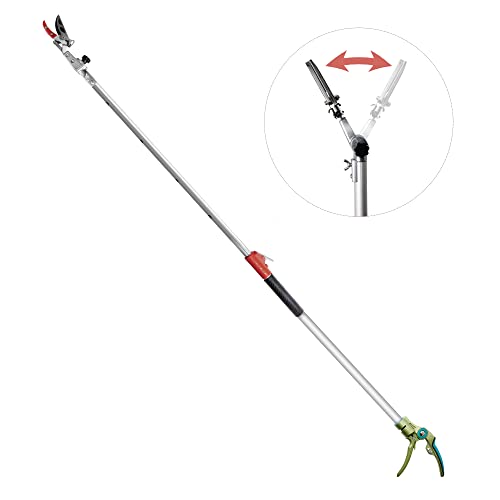
[Helpful Garden Tool] GARTOL brings to you a lightweight and extendable pruning tool to reach out to the least approachable arenas of your garden. You can conveniently get across other plants to remove the fastgrowing brambles and sting nettles without getting scratched or hurt. For gardening lovers, the telescopic pruner cutter head can can be rotated which resolves mobility issues and gives you the pleasure of trimming your garden without bending down or using a ladder to climb and cut them.
Essential Pruning Tools
- Pruning Shears: Use sharp, bypass pruning shears for precise cuts on small branches. These shears promote clean cuts that help trees heal faster.
- Loppers: Choose loppers for branches up to 2 inches thick. Their long handles provide extra leverage, making it easier to prune higher or thicker limbs.
- Handsaw: Opt for a handsaw for larger branches. A sharp saw reduces tearing and damage to the tree.
- Pole Pruner: Consider a pole pruner for reaching high branches. These extendable tools allow you to prune without using a ladder.
- Garden Knife: Keep a garden knife handy for clearing away dead wood or debris. This helps maintain a clean work area.
- Bucket or Tarp: Use a bucket or tarp for collecting cuttings. This keeps your workspace tidy and speeds up cleanup.
- Gloves: Wear sturdy gloves to protect your hands from thorns and sharp edges. Gloves also provide better grip on tools.
- Safety Glasses: Use safety glasses to shield your eyes from falling debris. They keep you comfortable and focused while working.
- Hearing Protection: Consider hearing protection if you’re using power tools. This prevents hearing damage during extended pruning sessions.
- Sturdy Boots: Choose durable, closed-toe boots for foot protection. Flat soles provide better stability on uneven surfaces.
- Hard Hat: Wear a hard hat if you’re working under or near overhead branches. This protects your head from falling limbs.
By preparing your tools and safety gear, you set the stage for effective and safe pruning.
Steps for Pruning Fruit Trees in Fall
Pruning fruit trees in fall involves specific steps to ensure healthy growth and bountiful fruit production. Focus on assessing tree health first and then applying pruning techniques effectively.
Recommended Products

Durable & Long-Lasting: Crafted from high-quality materials, these fruit tree branch pullers to withstand the rigors of outdoor use season after season. Resistant to rust, weathering, and wear, they provide consistent performance, becoming your go-to tools for maintaining your orchard year after year.

1:EXTENDABLE REACH FOR LADDER-FREE SAFETY – Acting as both a reliable tree pruner and a fruit picker pole, this tool effortlessly extends from 3.28 to 5.25 FT to reach high branches up to 10 FT from the ground. The innovative rotating and locking head allows for precise angles without unstable ladders or risky stretching, ensuring maximum safety.

SUPER LIGHTWEIGHT CUT AND HOLD PRUNERS SET: Our Long Reach Pruner weighs 0.79lbs, appropriate length 32 inch is suitable for relaxed cutting. When you deal with twiggy young tree branches, leaves, fruit spur or fence, one hand is enough. There has a minor hand pruner in this set can solve your lower pruning, a bonus garden glove can protect your hand.
Assessing the Tree’s Health
Evaluate your tree’s overall condition before starting to prune. Check for the following:
- Dead or Diseased Branches: Look for branches with no buds, discoloration, or signs of rot. These often need removal to prevent the spread of disease.
- Overcrowded Areas: Identify areas where branches cross each other or grow too close. Thinning these areas enhances air circulation and light penetration.
- Growth Patterns: Observe how the tree has grown over the season. Note if there are any weak or leggy branches that should be addressed.
- Pest Damage: Inspect for signs of pests like borers or scales that might weaken the tree. If you see infestations, consider additional treatments beyond pruning.
Pruning Techniques to Use
Implement effective pruning techniques to shape your fruit tree properly. Follow these steps:
- Cutting at the Right Angles: Make clean cuts at a 45-degree angle, about a quarter-inch above a bud. This method helps the plant heal and promotes new growth.
- Removing Dead Wood: Start by cutting away dead or diseased branches first. Dispose of these materials away from the yard to prevent disease spread.
- Thinning Out Growth: Take out about 20-30% of the tree’s density by removing overcrowded branches. Aim for well-balanced growth throughout the tree.
- Shaping the Tree: Maintain a central leader or strong main trunk by trimming off competing branches. This encourages an open shape, which boosts fruit quality.
- Focusing on Young Trees: For younger trees, prune to establish a strong structure. Make selective cuts to encourage a sturdy frame for future growth.
Following these steps ensures a healthy and fruitful tree. Always remember to clean your tools before and after use to prevent transferring diseases between plants.
Common Mistakes to Avoid
Avoiding common mistakes during fall pruning can significantly enhance your fruit trees’ health and productivity.
Recommended Products

Versatile Cutting Applications: Suitable for precision pruning of branches, tall hedges, and dense bushes, as well as delicate tasks like pruning flowers and harvesting fruit

The product can make you cut the fruit tree easily

【Multi-purpose Tree Pruner】The telescopic pole pruner has a shearing function and can be used for picking fruit and trimming high branches. The sharp blade of the fruit picking rod can easily cut branches up to 1/2 inch in diameter, and the included serrated saw blade uses double-sided cutting technology, making it easy to cut through thicker tree trunks. Its versatile design makes it an indispensable tool for gardening.
Over-Pruning Issues
Over-pruning leads to excessive stress on the tree. Removing more than 20-30% of a tree’s foliage can hinder growth and reduce fruit yield. Focus on removing only dead, diseased, or overcrowded branches. For older trees, retain some older wood as it supports overall structure. Monitor your cuts to ensure you maintain balance and a strong central leader.
Neglecting Safety Practices
Neglecting safety practices poses risks during pruning. Always wear gloves, safety glasses, and sturdy boots to protect yourself. If using a ladder, ensure it’s stable and positioned correctly. Avoid working alone, especially when dealing with larger branches. Familiarize yourself with your tools, as proper handling reduces accidents. Prioritize your safety to make pruning a successful and enjoyable activity.
Conclusion
Taking the time to prune your fruit trees in fall sets the stage for a healthier and more productive growing season. By following the right techniques and using the proper tools you can encourage robust growth and delicious fruit come spring. Remember to be mindful of safety as you work and to establish a routine that keeps your trees in tip-top shape year after year.
With a little care and attention your fruit trees will thrive and reward you with bountiful harvests. So grab your pruning shears and get started—your trees will thank you for it!
Frequently Asked Questions
Why is fall pruning important for fruit trees?
Fall pruning is crucial because it helps remove dead or diseased branches, encourages healthy growth, and improves the tree’s structure for stability. This maintenance prepares the tree for a productive spring and enhances fruit quality.
When is the best time to prune fruit trees?
The ideal time to prune fruit trees is after the leaves have fallen but before the ground freezes. This timing allows for effective pruning while minimizing stress on the tree.
What tools are recommended for fall pruning?
Essential tools for fall pruning include sharp bypass pruning shears for small branches, loppers for branches up to 2 inches thick, a handsaw for larger branches, and a pole pruner for high limbs. A garden knife aids in debris clearance.
What safety gear should I use when pruning?
When pruning, it’s important to wear gloves, safety glasses, hearing protection, sturdy boots, and a hard hat. This gear protects you from potential hazards during the pruning process.
How much of the tree should be pruned?
Only prune 20-30% of the tree’s foliage. Focus on removing dead, diseased, or overcrowded branches while retaining some older wood to support the tree’s structure for healthy growth.
What are common mistakes to avoid during fall pruning?
Common mistakes include over-pruning and neglecting safety practices. It’s essential to avoid removing too much foliage, which can stress the tree, and to always work with safety in mind, including ladder stability and proper tool usage.
