

Have you ever strolled through a coastal mangrove forest and wondered about the trees towering around you? You might be surprised to learn that these unique trees don’t just provide shelter for wildlife; they also play a crucial role in our ecosystem. But do mangrove trees actually bear fruit?
Understanding the fruiting habits of mangrove trees can help you appreciate their importance even more. This article will explore whether these fascinating trees produce fruit, what types they might have, and how they contribute to their environment. By the end, you’ll have a better grasp of the role mangroves play in nature and why they deserve our attention.
Key Takeaways
- Mangrove Trees Produce Fruit: Yes, mangrove trees do bear fruit, primarily in the form of propagules, which are specialized seeds that can grow into new plants while still attached to the parent tree.
- Variety of Species: Common mangrove species include Red Mangrove, Black Mangrove, White Mangrove, and Buttonwood, each with unique fruit characteristics and adaptations suited to their coastal environments.
- Unique Propagule Development: The Red Mangrove produces elongated propagules that can float in saltwater, while Black Mangroves develop small, round fruits that germinate directly upon falling.
- Ecological Contributions: Mangrove fruits play a significant role in seed dispersal, supporting local wildlife, enriching soil fertility, and enhancing overall habitat health in coastal ecosystems.
- Coastal Protection: Healthy mangrove forests contribute to shoreline stabilization and reduce coastal erosion, making them vital for protecting coastal communities from environmental stresses.
Overview of Mangrove Trees
Mangrove trees thrive in coastal regions, often found where land meets the sea. These unique trees play a crucial role in protecting shorelines from erosion and serving as habitats for diverse marine and terrestrial wildlife. Their intricate root systems stabilize the soil and filter pollutants, promoting a healthy ecosystem.
You’ll discover various species of mangrove trees, with the most common types including:
- Red Mangrove (Rhizophora mangle): Recognizable by its prop roots, this species often grows closest to the water. It produces distinctive, red-colored propagules, which are a form of fruit.
- Black Mangrove (Avicennia germinans): This tree has pneumatophores—stilt-like roots that help it breathe air. Its fruit is smaller and less conspicuous than that of the red mangrove.
- White Mangrove (Laguncularia racemosa): This species typically grows farther inland. It produces green, oval-shaped fruit that is less visible and not as commonly recognized.
Each species adapts to specific coastal conditions, demonstrating the resilience of mangrove ecosystems. It’s important to understand that while mangrove trees do produce fruit, the forms and dispersal methods vary widely among species. Some trees release buoyant seeds that float on water, while others may release seeds that stay on the tree until they germinate.
Exploring mangrove forests offers insight into their ecological benefits and biodiversity. As you learn more about these remarkable trees, you’ll appreciate their impact on the environment and their value to coastal communities.
Characteristics of Mangrove Trees
Mangrove trees showcase unique features adapted to thrive in coastal ecosystems. They play a crucial role in maintaining environmental balance and supporting biodiversity.
Adaptations to Coastal Environments
Mangrove trees possess several adaptations that allow them to survive in saline conditions.
- Salt Filtration: Many species filter salt from seawater, enabling them to absorb only fresh water through their roots.
- Breathing Roots: Specialized structures called pneumatophores extend above ground, facilitating oxygen intake for submerged roots.
- Water Storage: Some trees store water in their trunks to cope with drought conditions, ensuring survival during low tides.
- Propagule Development: Mangroves produce propagules, a type of seedling that can float and disperse easily, allowing them to colonize new areas efficiently.
Types of Mangrove Species
Several mangrove species exemplify unique characteristics and adaptations.
- Red Mangrove (Rhizophora mangle): Known for its distinctive stilt roots, it thrives in tidal zones and produces long, green propagules.
- Black Mangrove (Avicennia germinans): Adapting well to less saline areas, it features pneumatophores and small clusters of seeds.
- White Mangrove (Laguncularia racemosa): Found farther inland, this species has a more rounded leaf structure and produces smaller propagules.
- Buttonwood (Conocarpus erectus): Often grows near mangroves, it has a unique leaf shape and provides habitat for various wildlife.
Understanding the characteristics of these mangrove trees is essential for appreciating their ecological role and the benefits they provide to coastal environments.
Fruit Production in Mangrove Trees
Mangrove trees do produce fruit, contributing to their ecological roles. The types of fruits vary among different mangrove species, providing seeds essential for reproduction and the continuation of mangrove ecosystems.
Recommended Products
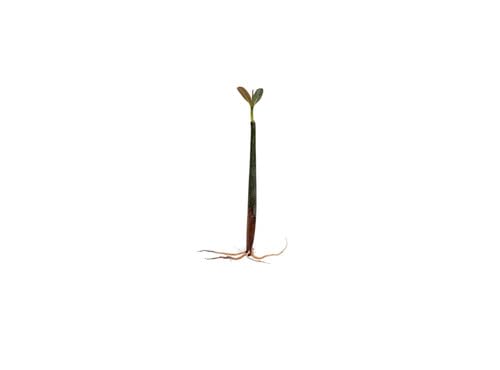
WHAT YOU GET - 1x Red Mangrove (Rhizophora mangle). Every plant is greenhouse-grown in our Texas facility and inspected before shipping.
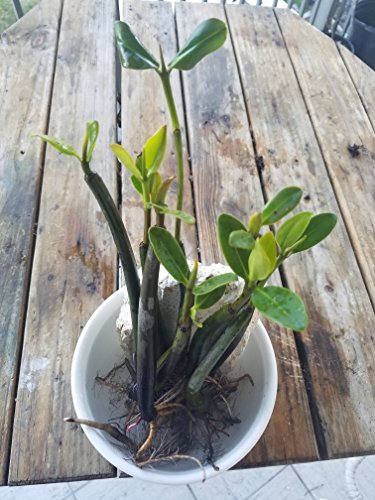
5 Red Mangrove Seedlings (Rhizophora mangle)

Tropical Fruit Seeds: Grow your own delicious mangoes at home with this set of 3 premium mango tree seeds, perfect for cultivating fresh, sweet tropical fruit right in your garden or indoor space
Do Mangrove Trees Have Fruit?
Yes, mangrove trees produce fruits. These fruits often take the form of propagules, which are specialized seeds capable of growing into new plants while still attached to the parent tree. This unique ability helps ensure successful colonization of new areas, especially in challenging coastal environments. Species such as the Red Mangrove develop propagules that can float in saltwater, allowing them to be dispersed over considerable distances.
Types of Fruits Produced
Mangrove trees produce several types of fruits, each with distinctive characteristics:
- Red Mangrove (Rhizophora mangle): Produces elongated propagules measuring 30-40 centimeters long. These float buoyantly, allowing them to germinate while still attached or after falling into the water.
- Black Mangrove (Avicennia germinans): Develops small, round fruits filled with seeds that take root upon falling. These fruits are typically less buoyant compared to those of the Red Mangrove.
- White Mangrove (Laguncularia racemosa): Has smaller, elliptical fruits that detach and can establish new plants. These fruits often have small, curled structures resembling a sail to aid in dispersal.
- Buttonwood (Conocarpus erectus): Produces small, round fruits that attract birds and other wildlife, facilitating seed dispersal through their droppings.
Understanding these fruit types helps illustrate how mangrove trees adapt to their environment, enhancing their survival and ecological importance along coastlines.
Ecological Importance of Mangrove Fruits
Mangrove fruits play a vital role in coastal ecosystems. These fruits not only contribute to the individual tree’s reproductive success but also support local wildlife and enhance the habitat’s overall health.
Seed Dispersal
Mangrove fruits, such as the elongated propagules of the Red Mangrove, have evolved for efficient seed dispersal. As these fruits drop from the tree, they can float for extended periods, allowing them to travel to new areas. Once they land in suitable conditions, they can germinate and establish new seedlings. This mechanism enables mangroves to expand their habitat and maintain biodiversity.
Wildlife Habitat
Mangrove fruits serve as a food source for various animals. Birds, mammals, and insects eat the fruits, facilitating seed dispersal through their droppings. For example, the small round fruits of the Black Mangrove attract birds, which helps in spreading seeds over vast areas, contributing to the resilience of mangrove populations.
Soil Enrichment
As mangrove fruits decompose, they enrich the soil with organic material and nutrients. This process enhances soil fertility, which benefits not only the mangroves themselves but also surrounding plant life. Thriving plant communities support diverse animal species, creating a flourishing ecosystem.
Coastal Protection
The presence of healthy mangrove trees, supported by successful fruiting and propagation, offers essential coastal protection. Mangroves stabilize shorelines, reducing erosion and the impact of storm surges. The root systems of these trees trap sediments, fostering a resilient coastal environment that can withstand environmental stresses.
By understanding the ecological importance of mangrove fruits, you recognize their role in supporting biodiversity and protecting coastal ecosystems. Their contributions extend beyond the trees themselves, benefiting wildlife and stabilizing coastal environments essential for human communities.
Conclusion
Mangrove trees are more than just beautiful coastal giants. Their fruits play a vital role in sustaining the ecosystem and supporting local wildlife. By producing unique fruits like the elongated propagules of the Red Mangrove and the round fruits of the Black Mangrove, these trees ensure the continuation of their species and contribute to the biodiversity of their habitats.
As you explore coastal areas, take a moment to appreciate the intricate relationship between mangroves and their environment. Understanding the importance of mangrove fruits not only enriches your knowledge but also highlights the need to protect these incredible trees. They truly are essential for maintaining healthy shorelines and vibrant ecosystems.
Frequently Asked Questions
Recommended Products

Growing Zones: Fig trees grow best in USDA hardiness zones 7 or 8-12

4 FRUIT VARIETIES – 100 SEEDS TOTAL: Includes 30 Apple Seeds, 30 Lemon Seeds, 30 Cherry Seeds, and 10 Banana Seeds, individually separated by variety for an exciting fruit-growing collection.

BONSAI TREE: Popular for bonasi this exotic looking tree has evergreen leafs and the wood can achieve a prized "Shari" look.
What are mangrove forests and why are they important?
Mangrove forests are coastal ecosystems characterized by salt-tolerant trees. They are crucial for protecting shorelines from erosion, stabilizing soil, filtering pollutants, and providing habitat for diverse wildlife. Their unique adaptations allow them to thrive in harsh coastal conditions.
Do mangrove trees produce fruit?
Yes, mangrove trees do produce fruit. Each species has distinct fruit types. For instance, Red Mangroves produce elongated propagules, while Black Mangroves have small round fruits. These fruits play essential roles in seed dispersal and ecological functions.
What are the different species of mangrove trees?
The main species include Red Mangrove, Black Mangrove, and White Mangrove. Each has unique adaptations suited for coastal environments. Red Mangroves are known for their stilt roots, Black Mangroves feature breathing roots called pneumatophores, and White Mangroves have rounded leaves.
How do mangrove fruits benefit the ecosystem?
Mangrove fruits support local wildlife by serving as a food source, promoting seed dispersal through animal droppings. They also enrich the soil upon decomposition, benefiting surrounding plant life and contributing to the overall health of the ecosystem.
What adaptations help mangrove trees survive in coastal environments?
Mangrove trees have several adaptations, including salt filtration mechanisms, specialized breathing roots, and water storage capabilities. These features allow them to thrive in challenging conditions, such as saline water and fluctuating tides, ensuring their survival and ecological function.
